Last Updated: October 14, 2026
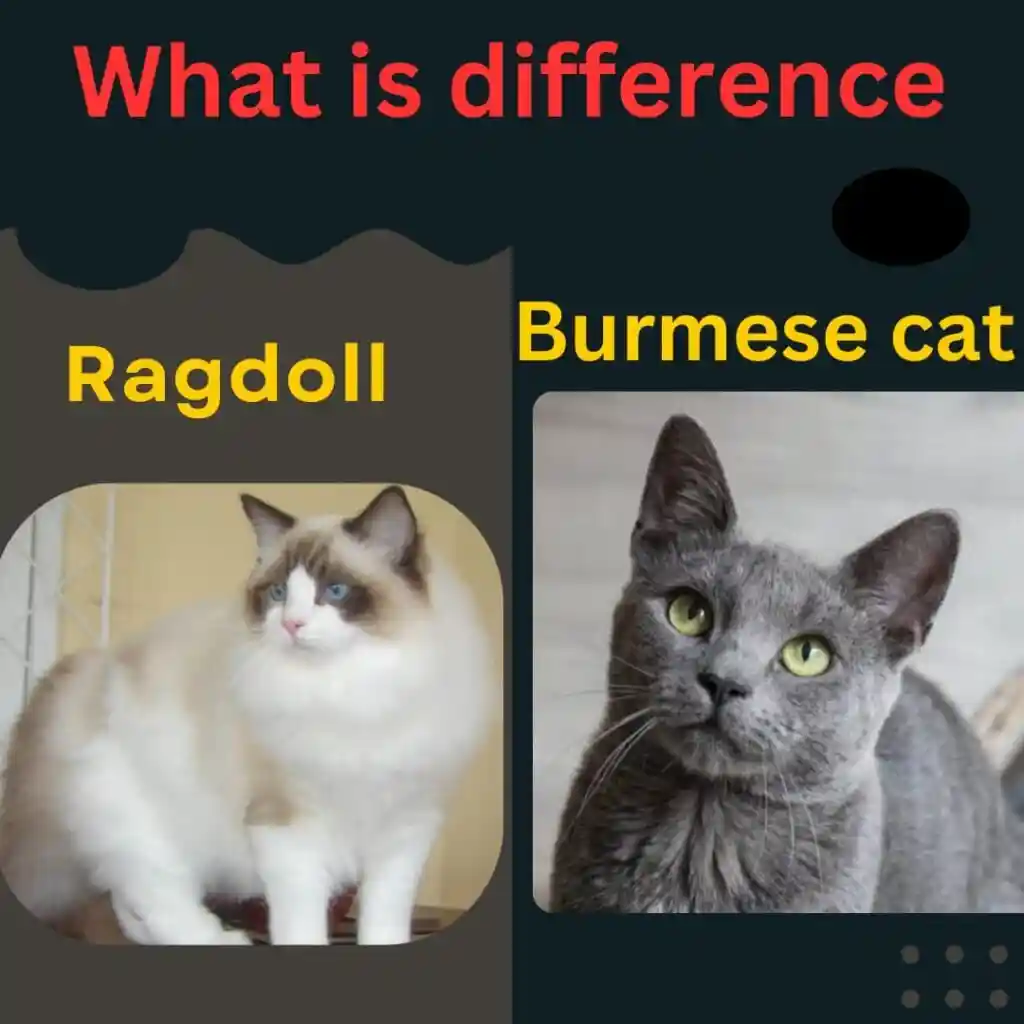
Choosing between a Burmese and a Ragdoll cat often comes down to how much activity, attention, grooming, and space fit your everyday life. Both breeds are affectionate and people-oriented, but Burmese cats are typically compact, muscular, energetic, and shorthaired, while Ragdolls are larger, semi-longhaired, and often more relaxed. Individual cats still have their own personalities, so use breed tendencies as a guide rather than a guarantee. Burmese and Ragdoll cats differ most noticeably in coat, body size, activity, and grooming needs.
Burmese vs Ragdoll: Quick Answer
Choose a Burmese if you want a lively, curious companion who enjoys interactive play, learns games, and has a short coat that is relatively easy to maintain. Choose a Ragdoll if you prefer a larger cat with a silky semi-long coat and a generally calm, affectionate temperament. Both breeds need daily interaction, enrichment, preventive veterinary care, and a healthy diet.
| Feature | Burmese | Ragdoll |
|---|---|---|
| Typical build | Medium, compact, muscular | Large, long-bodied, sturdy |
| Coat | Short, fine, glossy | Semi-long, silky |
| Common eye colour | Yellow to gold | Blue in recognised traditional breed standards |
| Typical personality | Playful, curious, highly people-focused | Gentle, sociable, often more laid-back |
| Activity needs | Usually high; benefits from frequent play | Moderate; still needs daily play and movement |
| Grooming | Low, with regular brushing | Moderate, with regular combing |
| Good fit for | People who enjoy active interaction | People who want an affectionate, often calmer companion |
| Important care focus | Weight, dental health, and breed-relevant screening | Weight, heart-health screening, and coat care |
Weight and lifespan ranges vary between individuals, sex, lineage, and sources. Avoid choosing a cat from a single number or assuming every cat will match a breed stereotype.
What Is the Difference Between Burmese and Ragdoll Cats?
Size and Weight
Ragdolls are generally the larger breed, with a long body, broad chest, and substantial bone structure. Burmese cats are usually smaller in outline, but their muscular bodies can feel surprisingly heavy when lifted. Adult weight depends on sex, frame, diet, and health, so ask a veterinarian to assess body condition instead of aiming for a particular number.
Coat, Colour, and Eye Colour
The Burmese has a close-lying, satin-like short coat. Depending on the registry and Burmese variety, accepted colours can include sable or brown, blue, chocolate or champagne, and lilac or platinum, with additional colours recognised by some associations. Burmese cats are known for yellow-to-gold eyes.
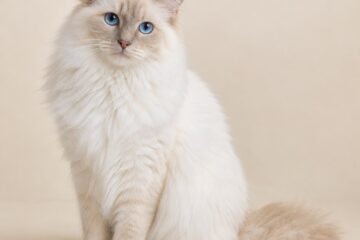
The traditional Ragdoll is a blue-eyed, colourpoint breed. Its body is lighter than the coloured points on the face, ears, legs, and tail. Common patterns include colourpoint, mitted, and bicolour, with recognised colours varying by registry. See our guide to Ragdoll Cat Colours and Patterns for more detail.
Activity Level and Temperament
Burmese cats often want to be involved in what their people are doing. Many enjoy chasing toys, learning tricks, climbing, and playing fetch. They may become bored if they have little interaction or enrichment.
Ragdolls are often more easygoing and may prefer to lounge near their people between play sessions. They can still be playful, especially as kittens and young adults. A calm reputation does not mean a Ragdoll should be left inactive or handled roughly. No cat should be forced to be held, and not every Ragdoll enjoys being carried.
Grooming and Shedding
Burmese grooming is usually straightforward. A weekly brushing with a suitable soft or rubber brush can remove loose hair and keep the coat glossy. Ragdolls generally need more frequent combing, often once or twice a week, with extra attention to areas that tangle, such as behind the legs, under the arms, and around the ruff. Adjust brushing to your cat’s coat and shedding season.
Both breeds shed. Short hair does not mean no shedding, and a semi-long coat does not automatically mean severe matting. Introduce grooming gradually and reward calm cooperation.
Burmese vs Ragdoll Personality: Which Is More Affectionate?
Both breeds are known for enjoying human company. Burmese cats are often more active and persistent in seeking interaction, while Ragdolls are frequently described as gentle and relaxed. These are tendencies, not guarantees. Early socialisation, individual temperament, health, environment, and past experiences all influence behaviour.
- Choose Burmese for interactive play: A good match if you want to play, train, and engage with your cat several times a day.
- Choose Ragdoll for a calmer companion: A good match if you enjoy a sociable cat that may be content resting close to you after play.
- For children: Either breed may suit a family when introductions are gradual and children learn to let the cat approach, avoid pulling fur or tail, and respect resting places.
- For other pets: Either may adapt well with careful introductions, enough separate resources, and supervision. Breed alone cannot guarantee compatibility.
Which Cat Is Easier to Care For?
Exercise and Enrichment
Burmese cats often benefit from several short, active play sessions each day. Use wand toys, puzzle feeders, safe climbing options, and simple reward-based training. Ragdolls also need regular play, scratching posts, climbing opportunities suited to their ability, and food puzzles when appropriate. Keep toys with strings or small detachable parts supervised and stored safely after play.
Can Burmese and Ragdoll Cats Be Left Alone?
Both breeds can form close bonds with their families, and some individuals find long periods alone difficult. Plan for daily interaction, predictable routines, fresh water, clean litter, safe resting spots, and enrichment. If you are away for long workdays, consider whether your schedule can meet the cat’s social needs. A second pet is not an automatic solution and should only be considered if you can care for both animals and introduce them properly.
Feeding and Weight Management
Neither breed should be fed solely according to appearance or a generic breed chart. Choose a complete and balanced food appropriate for the cat’s age and health, measure portions, provide fresh water, and monitor body condition. Ask your veterinarian about feeding amounts, especially after neutering, during growth, or if your cat gains or loses weight unexpectedly. Because Ragdolls are larger, do not assume that every individual needs unlimited food; Burmese cats can also become overweight if calories exceed activity.
Health and Lifespan: What Should Owners Know?
No breed is free of health risks, and a breed predisposition does not mean an individual cat will develop a condition. A responsible breeder should be transparent about family health history and recommended screening. Adopted cats also benefit from a veterinary examination and a clear preventive-care plan.
Burmese Health Considerations
Ask breeders and your veterinarian about health issues reported in Burmese lines, which may include diabetes mellitus, hypokalaemia-related muscle weakness in some lines, and inherited or familial conditions recognised by breed-health programmes. The relevance of each risk depends on the cat’s lineage and the testing available. Do not diagnose a condition from breed alone.
Ragdoll Health Considerations
Hypertrophic cardiomyopathy (HCM), a disease that thickens the heart muscle, is an important health concern in Ragdolls. Ask a breeder what cardiac screening is performed and whether genetic testing is appropriate for the specific line. Genetic testing does not replace veterinary assessment, and a normal result cannot rule out every cause of heart disease. Weight management and routine veterinary visits are also important.
For more background, read our guides to Common Ragdoll Health Problems and HCM in Ragdoll Cats. For general information, consult the Cornell Feline Health Center’s Guide to Hypertrophic Cardiomyopathy.
Which Breed Lives Longer?
Both Burmese and Ragdoll cats can live well into their teens, but no lifespan is guaranteed. Genetics, preventive care, indoor safety, nutrition, dental health, weight, and timely treatment all matter. Compare the health history of the individual cat and its family rather than relying on a precise lifespan promise from a seller.
Burmese vs Ragdoll Cost: Buying, Adoption, and Ongoing Expenses
Purchase prices vary widely by country, breeder reputation, pedigree, age, registration, and whether a cat is sold as a pet or for breeding. Adoption fees also vary. Instead of relying on a single advertised price, request a written breakdown of what is included, such as veterinary checks, vaccinations, microchipping, registration paperwork, and any agreed health screening.
Budget beyond the initial fee for quality food, litter, scratching and climbing equipment, carriers, routine veterinary care, dental care, parasite prevention, insurance or emergency savings, and occasional boarding or pet sitting. Ragdolls may require more coat-care time and tools; Burmese cats may need more play and enrichment resources. Both need ongoing care throughout their lives.
Responsible Breeder Checklist
- Meet the kitten with its mother when possible and observe the cats’ living conditions.
- Ask for veterinary records, vaccination and parasite-treatment details, and registration documents if claimed.
- Ask which health tests are relevant to the parents and request the actual results, not just a verbal assurance.
- Look for confident, curious kittens that are clean and alert, while remembering that temperament varies.
- Read the contract and understand the breeder’s policy if a serious health issue appears.
- Avoid sellers who pressure you to pay immediately, refuse reasonable questions, or promise that a breed is guaranteed to be healthy.
Which Breed Is Best for Your Home?
| Your situation | Breed to consider | Why |
|---|---|---|
| You want a highly playful, interactive cat | Burmese | Often energetic, curious, and interested in games |
| You prefer a larger cat with a semi-long coat | Ragdoll | Large build and silky coat are typical breed traits |
| You want the simplest coat routine | Burmese | Short fur usually takes less brushing time |
| You prefer a generally laid-back companion | Ragdoll | Often calmer, while still needing play and enrichment |
| You have children or other pets | Either may fit | Temperament, supervision, introductions, and the household matter more than breed alone |
| You are away for long hours | Assess both carefully | Both can need meaningful daily company and enrichment |
How to Choose Between a Burmese and a Ragdoll Kitten
- Be honest about your routine. Estimate how much time you can give to play, grooming, and companionship every day.
- Meet the individual cat. Observe how it responds to people, ordinary household sounds, handling, and play. Avoid forcing contact.
- Review health information. Ask about veterinary care, parental screening, and any health conditions in the family line.
- Check the source. A responsible breeder or rescue should welcome questions and provide clear paperwork.
- Plan for the long term. Make room in your budget for routine care and unexpected veterinary costs.
Frequently Asked Questions
Are Burmese Cats Bigger Than Ragdolls?
Usually not. Ragdolls are generally the larger breed, while Burmese cats have a compact, muscular build. Individual size varies with sex, genetics, and body condition.
Are Burmese Cats More Affectionate Than Ragdolls?
Neither breed is universally more affectionate. Burmese cats often seek active interaction, while Ragdolls are commonly described as gentle and relaxed. Individual personality and socialisation make a major difference.
Which Is More Active, Burmese or Ragdoll?
Burmese cats are generally more energetic and playful. Ragdolls also need daily play, exercise, and mental stimulation, even if they tend to be more laid-back.
Which Cat Needs Less Grooming?
Burmese cats usually need less grooming because their coat is short and close-lying. Ragdolls generally need regular combing to manage loose hair and prevent tangles.
Are Burmese and Ragdoll Cats Good With Children?
Both can do well in respectful households. Supervise interactions, teach children to handle cats gently, and make sure the cat can retreat to a quiet, safe space.
Can Burmese and Ragdoll Cats Live With Dogs?
They may, provided introductions are gradual and the dog is calm around cats. Use barriers and supervision at first, and give the cat secure high or separate resting areas.
Do Ragdolls Always Go Limp When Held?
No. The name comes from a breed reputation, but not every Ragdoll relaxes when lifted. Never force a cat to be held, and support its body properly when handling it.
Do Burmese Cats Shed Less Than Ragdolls?
Burmese cats often shed less visibly because their coat is short, but both breeds shed. Grooming, season, health, and the individual cat affect how much loose hair you notice.
Which Breed Is Healthier?
There is no universal winner. Each breed can have inherited health risks, and the health of a particular cat depends on genetics, screening, care, and chance. Ask for relevant records and keep up with veterinary visits.
Which Breed Is Better for First-Time Cat Owners?
Either can suit a first-time owner who understands the breed’s needs. Burmese cats may suit someone who wants an active playmate; Ragdolls may suit someone who prefers a calmer companion and can maintain a semi-long coat.
Sources and Editorial Note
This comparison is intended as general educational information, not a diagnosis or a substitute for advice from a veterinarian who knows your cat. Breed descriptions summarise common tendencies, not guaranteed behaviour or health outcomes. We checked breed characteristics against the official profiles below; health decisions should be made with a qualified veterinary professional.
- Cat Fanciers’ Association: Burmese Breed Profile
- Cat Fanciers’ Association: Ragdoll Breed Profile
- The International Cat Association: Burmese Breed Profile
- The International Cat Association: Ragdoll Breed Profile
- Cornell Feline Health Center: Hypertrophic Cardiomyopathy
For related reading, see Ragdoll vs Ragamuffin Cats, Ragdoll Cat Lifespan, and Are Ragdoll Cats Affectionate?.