Last updated: October 13, 2026
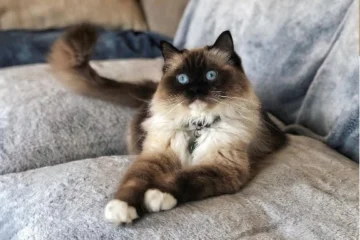
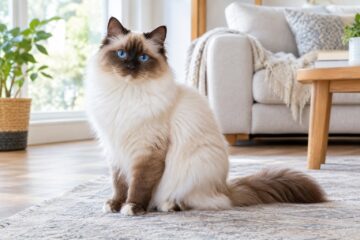
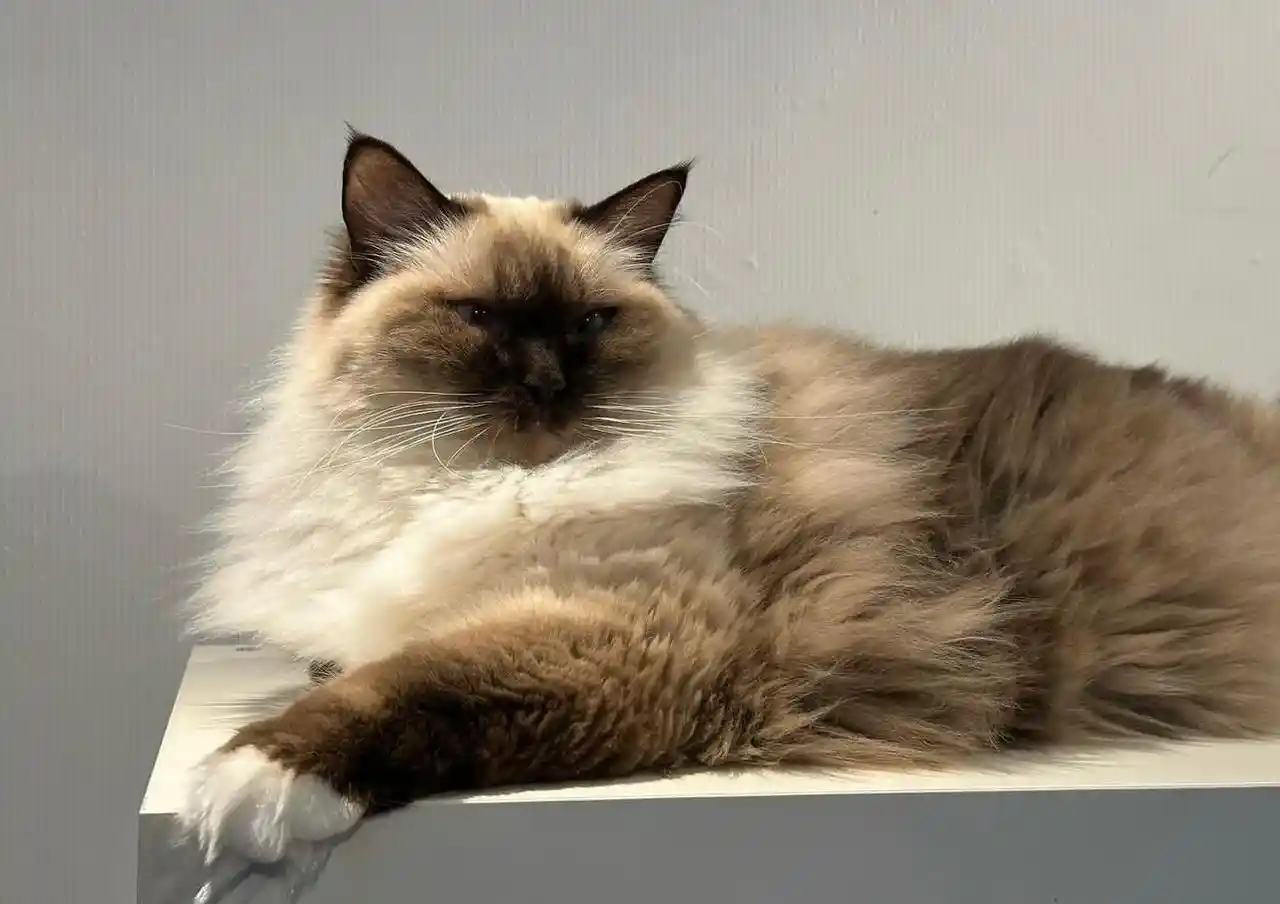
A Sepia Ragdoll Cat is known for a richer, darker coat than the traditional pointed Ragdoll. Sepia colouring can appear in several patterns and shades, and the cat’s eye colour, body tone, and contrast may differ from the look many people associate with the breed. Genetics and cat-registry rules also affect how these cats are described, so it is worth checking the details rather than relying on a colour label alone.
This guide explains sepia colouring, how sepia Ragdolls compare with mink and traditional pointed cats, what to know about temperament and grooming, and what to ask a responsible breeder before choosing a kitten.
What Is a Sepia Ragdoll Cat?
“Sepia” is commonly used for a darker colourpoint-related coat expression associated with the cb/cb genotype at the colour locus. The coat can look more saturated and less sharply contrasted than the traditional pointed Ragdoll pattern. The final appearance depends on the cat’s colour, pattern, age, and individual genetics.
Terminology and registration eligibility can vary by organisation. TICA-linked breeder information has referred to mink, sepia, and solid cats under the Cherubim name from May 2025. Because registry policies can change, check the current rules of the registry named on a kitten’s pedigree and ask the breeder to explain the kitten’s registration status.
Sepia Ragdoll Cat: Quick Facts
| Feature | What to know |
|---|---|
| Coat | Often richer and darker-looking than a traditional pointed Ragdoll |
| Genetics | Commonly associated with the cb/cb genotype |
| Eye colour | May be described as gold, green, yellow-gold, or other shades; appearance varies |
| Temperament | Depends on the individual cat, socialisation, and environment, not coat colour alone |
| Grooming | Regular combing helps manage loose hair and tangles |
| Registry status | Confirm the current rules and pedigree details with the relevant registry |
Appearance and Coat Colours
Sepia Ragdolls can have a warm, deep-looking coat, but there is no single shade that every cat will share. Seal, blue, chocolate, lilac, and other colour descriptions may appear in discussions of sepia cats. Pattern, lighting, age, and genetics all influence how a coat looks in photographs and in person.
Do Sepia Ragdoll Cats Have Blue Eyes?
Not necessarily. Traditional Ragdolls are known for blue eyes under the familiar breed standard, while cats described as sepia may have eye colours such as gold, green, or yellow-gold. Eye colour alone does not prove a cat’s genetic background or registration status. If a breeder makes a specific claim, ask for pedigree and parent information rather than treating eye colour as definitive evidence.
Are Sepia Ragdoll Kittens Born Dark?
Sepia kittens can show more visible pigment early in life than traditional pointed kittens, whose bodies are typically much lighter at birth and develop darker points as they mature. Still, newborn appearance is not a reliable substitute for documented parentage or genetic information. Coat colour can also change as a kitten grows.
Sepia vs Mink vs Traditional Pointed Ragdoll
These terms are often compared because they describe different coat appearances and are associated with different colour genetics. The table is a practical overview, not a replacement for a genetic test or registry standard.
| Type | Common genetic description | Typical appearance | Important note |
|---|---|---|---|
| Traditional pointed | cs/cs |
Light body with darker points; blue eyes are characteristic of the traditional standard | Check the relevant breed standard and pedigree |
| Mink | cb/cs |
Often more colour across the body, with softer contrast than traditional pointed cats | Appearance varies by colour and pattern |
| Sepia | cb/cb |
Often richer, darker, and less sharply contrasted | Registration terms and eligibility vary |
Is a Sepia Ragdoll Darker Than a Mink Ragdoll?
Sepia cats are often described as having a deeper or more saturated coat than mink cats, but individual colour and pattern can make comparisons difficult. If you are comparing kittens, view them in natural light and ask for photos of their parents at different ages. You can also read our guide to the Mink Ragdoll and our overview of Ragdoll Cat Colors and Patterns.
Are Sepia Ragdoll Cats Rare?
Availability depends on location, breeder practices, and the registry or breeding programme involved. A less common colour description does not automatically mean a cat is healthier, more valuable, or a better fit for a household. Prioritise health screening, transparent records, good early socialisation, and responsible placement over rarity.
Can Two Mink Ragdolls Have a Sepia Kitten?
In a simplified model where both parents have the expected cb/cs genotype and the relevant gene is inherited independently as described, a litter could include sepia, mink, and traditional-pointed genotypes. A commonly cited theoretical ratio is 25% cb/cb, 50% cb/cs, and 25% cs/cs. These are conditional genetic expectations, not a promise about any individual litter. Confirm the parents’ genetics with a qualified professional or appropriate testing service.
Sepia Ragdoll Cat Personality and Behaviour
Ragdolls are often described as sociable, people-oriented cats, but personality varies from one cat to another. There is no good reason to assume that sepia colouring by itself makes a cat calmer, friendlier, more playful, or easier to train. Early handling, socialisation, health, routine, and the individual animal all matter.
Are Sepia Ragdolls Good Family Cats?
A well-socialised cat may adapt well to a considerate household, including one with older children or other pets introduced gradually. Give the cat quiet places to retreat, supervise interactions with young children, and let the cat choose when to engage. Ask the breeder about the kitten’s observed temperament rather than relying on colour-based claims.
Grooming and Everyday Care
Ragdolls have a semi-long coat that benefits from consistent care. Coat texture and shedding vary, so build a routine around the individual cat rather than assuming every sepia Ragdoll needs exactly the same level of grooming.
How Often Should You Brush a Sepia Ragdoll?
Comb the coat several times a week and increase frequency if you notice tangles, seasonal shedding, or mats around friction areas such as the armpits and behind the ears. Use a gentle comb and stop if the cat seems uncomfortable. Never pull forcefully at a mat; ask a veterinary professional or experienced groomer for help with tight tangles.
Other Care Essentials
- Nails: Check regularly and trim carefully when needed.
- Teeth: Introduce cat-safe dental care and ask your veterinarian about a suitable routine.
- Ears and eyes: Check for unusual discharge, redness, or irritation and seek veterinary advice if symptoms persist.
- Play: Offer daily interactive play, climbing opportunities, scratching surfaces, and puzzle feeders.
- Coat checks: Look for tangles, skin changes, fleas, or areas your cat repeatedly licks.
Feeding and Health Considerations
Choose a complete, balanced food appropriate for your cat’s age, body condition, and health. Keep fresh water available and monitor weight, since portion needs differ with activity level and life stage. A veterinarian can help you select a diet and feeding schedule suited to your cat.
What Health Checks Should You Ask About?
Ragdolls can be affected by inherited conditions, including hypertrophic cardiomyopathy (HCM). Ask breeders about relevant health screening, the health history of the parents, veterinary records, vaccination and parasite-control plans, and what support is available after adoption. A colour label is not evidence that a cat is free of inherited disease, and no screening programme can guarantee perfect health.
For breed background, review the CFA Ragdoll Breed Profile and the relevant registry’s current information. These resources can help you understand recognised breed characteristics, but your veterinarian is the right person to advise on an individual cat’s health.
What to Check Before Buying a Sepia Ragdoll Kitten
- Ask which registry the kitten is registered with and request the pedigree or registration documents.
- Ask the breeder to explain the colour terminology and, if relevant, provide documented genetic test results.
- Request the parents’ health history and evidence of screening for relevant inherited conditions.
- Meet the kitten or arrange a live video visit to see its environment and behaviour.
- Review veterinary records, vaccination details, parasite prevention, and the written contract.
- Ask about socialisation, diet, grooming, return policies, and support after the kitten goes home.
- Avoid sellers who pressure you to pay quickly, refuse basic questions, or promise guaranteed temperament or perfect health.
Related Ragdoll Colour Guides
For more colour comparisons, see our guides to the Chocolate Ragdoll Cat, Lilac Ragdoll Cat, and Blue Mink Ragdoll Cat.
Personal Note
Our site has previously shared an individual account about a cat named Brownie. A personal story can help readers understand what living with one cat is like, but it should not be treated as proof that all cats with the same coat colour share the same personality or needs. Meet the individual cat and ask the breeder or rescue organisation specific questions.
FAQs (Because People Keep Asking)
1. What is a Sepia Ragdoll Cat?
It is a cat described as having a sepia coat expression, commonly associated with the cb/cb genotype. Exact terminology and registration eligibility depend on the registry and breeding programme.
2. What eye colour do sepia Ragdolls have?
They may be described as having gold, green, or yellow-gold eyes. Eye colour varies and does not by itself confirm genetics or pedigree.
3. Are sepia Ragdolls recognised by every cat registry?
No. Policies and terminology can differ. Check the current rules of the registry listed on the cat’s documents before relying on a seller’s description.
4. Are sepia Ragdoll kittens born white?
They may show more pigment early than traditional pointed kittens, which are often born very light. Appearance at birth is not enough to confirm a kitten’s genetics.
5. Is a sepia Ragdoll darker than a mink Ragdoll?
Sepia cats are often described as darker or more saturated, but the actual appearance depends on colour, pattern, age, and lighting.
6. Are sepia Ragdoll cats rare or more expensive?
Availability and price depend on breeder, location, documentation, and other factors. Rarity alone is not a measure of health or quality.
7. Do sepia Ragdolls shed a lot?
They can shed, as other long-haired cats do. Regular combing and routine coat checks help manage loose hair and prevent tangles.
8. Are sepia Ragdoll cats hypoallergenic?
No cat should be described as reliably hypoallergenic. Allergens vary between cats and people, so anyone with allergies should spend time around the individual cat and consult a healthcare professional if needed.
9. What is the difference between sepia, mink, and traditional pointed Ragdolls?
They are commonly distinguished by coat appearance and associated colour genetics: sepia is often linked with cb/cb, mink with cb/cs, and traditional pointed with cs/cs. Registration standards may treat these categories differently.
Editorial Note and Sources
This article is for general educational purposes and is not a substitute for veterinary advice or confirmation from a cat registry. We recommend checking current official standards and asking breeders for verifiable documentation.