Ragdoll cats are a beloved breed known for their stunning appearance, affectionate nature, and laid-back temperaments, making them an excellent fit for families and individuals alike. The breed originated in the 1960s. Ragdolls are large and muscular cats, often described as “dog-like.” Despite their size, Ragdolls are known for being gentle giants, often seeking out human interaction and enjoying being held and cuddled.
The Ragdoll breed is officially recognized by the Cat Fanciers’ Association and The International Cat Association in six core colors: seal, blue, chocolate, lilac, red (flame), and cream. Lilac is one of the two rarest of these colors, since it requires a cat to inherit two separate recessive genes together, covered in detail below.
Updated September 2026.
Lilac Ragdoll Breed Overview
| Trait | Overview |
| Coat color | Soft, pastel lavender gray |
| Points color | Light cool-toned gray with pinkish hues |
| Eye color | Vivid blue |
| Weight | Males 12 to 20 lbs, females 8 to 15 lbs |
| Lifespan | 12 to 17 years |
| Cost | $1,500 to $4,000, depending on pedigree and pattern |
| Behavior | Patient with children, gets along with other pets |
Genetics of Lilac Ragdoll Cats
The lilac color in Ragdolls comes from a specific genetic combination affecting melanin production and distribution. To produce a lilac kitten, a cat must inherit two copies of the recessive chocolate gene (genotype bb) together with two copies of the recessive dilution gene (genotype dd). This double-recessive requirement is exactly why lilac is harder to breed, and rarer to find, than colors needing only one recessive gene, like blue, which needs only the dilution gene on top of the default seal base.
Genetic testing can identify whether a cat carries these recessive genes even when it does not display them visually, which helps breeders plan pairings intentionally rather than relying on guesswork. Lilac Ragdolls come in several pattern combinations, including Lilac Point, Lilac Lynx Point, Lilac-Cream Point, and Lilac-Cream Lynx Point, each covered in more detail below.
Lilac Mink and Lilac Sepia: A Separate Classification
Lilac coloring can also appear in the Mink and Sepia coat types, which look visually similar but come from a different underlying gene than the standard lilac point covered in this guide. These fall under TICA’s Cherubim classification rather than the traditional Ragdoll breed standard. Our guide on the Mink Ragdoll Cat explains this distinction in full, which is worth checking if a kitten’s coloring looks lilac but the breeder describes it as Mink or Sepia.
Behavioral Traits and Social Personality of Lilac Ragdolls
Lilac Ragdolls share the same wonderful behavioral traits and social personality characteristics as other Ragdolls, since coat color has no bearing on temperament. Here are the key characteristics.
1. Affectionate: Lilac Ragdolls are extremely affectionate and love human interaction. They often seek out attention and enjoy being held, cuddled, and petted.
2. Laid Back: Lilac Ragdolls are known for their calm and relaxed nature. They are not as demanding as some other breeds and are happy to simply lounge around the house.
3. Gentle: Lilac Ragdolls are gentle giants, with a soft and silky coat to match their gentle nature. They are often described as “lap cats” because they love to curl up in their owners’ laps and snooze.
4. Intelligent: Lilac Ragdolls are highly intelligent and can learn tricks and commands with patience and positive reinforcement.
5. Playful and Social: Lilac Ragdolls enjoy playing with toys and engaging in interactive games. They are highly social and make great companions in multi-pet households, often described as “Velcro cats.”
6. Loyal and Devoted: Lilac Ragdolls are loyal and devoted to their owners and form a strong bond with their family members.
History and Origin of Lilac Ragdoll Cats
The Ragdoll breed originated in the 1960s with breeder Ann Baker in California. Lilac was not among the first colors to appear, it developed later as the breed’s gene pool diversified through selective breeding. The diluted chocolate coloring became officially recognized as the breed evolved and gained popularity worldwide.
How Rare Are Lilac Ragdolls
Lilac Ragdolls are considered one of the rarest Ragdoll colors, alongside chocolate. The double-recessive genetic combination described above makes them genuinely difficult to breed intentionally, since both parents must carry hidden copies of both the chocolate and dilution genes even if neither parent displays lilac coloring itself. Because of this, Lilac Ragdolls are highly sought-after and typically cost more than Seal or Blue Ragdolls, which require simpler genetics to produce.
Lilac Ragdoll Kittens: What to Expect
Lilac Ragdoll kittens are born almost entirely white, since the colorpoint gene only activates once the extremities cool relative to the body. Visible color typically begins appearing within the first few weeks, though full point color depth and body maturity are not complete until somewhere between two and four years of age, slower than most other breeds. Kittens are playful, loving, and easy to socialize with. Expect clinginess, floppy cuddles, and lots of curiosity. Reputable breeders keep kittens with their mother for at least 12 to 16 weeks before adoption to ensure proper development and socialization.
Lilac Ragdoll vs Other Ragdoll Colors
| Feature | Lilac Ragdoll | Blue Ragdoll | Seal Ragdoll |
|---|---|---|---|
| Rarity | Very rare | Common | Common |
| Color | Pale gray-pink | Cool bluish-gray | Deep brown |
| Genes required | Chocolate (bb) and dilution (dd) | Dilution (dd) only | Default base color |
| Cost | High | Moderate | Moderate |
| Popularity | Growing | Popular | Most popular |
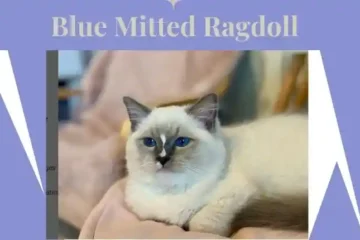
Our Blue Mitted Ragdoll Cat guide covers the blue color and the mitted pattern specifically in more depth, and our Ragdoll Cat Colors and Patterns guide covers all six colors and three patterns together in one place.
Different Types of Lilac Ragdoll Cats
- Lilac Point Ragdoll
- Lilac Mitted Ragdoll
- Lilac Bicolor Ragdoll
- Lilac Lynx (Tabby) Ragdoll
- Lilac Tortie Ragdoll
- Lilac Cream Point Ragdoll
1. Lilac Point Ragdoll
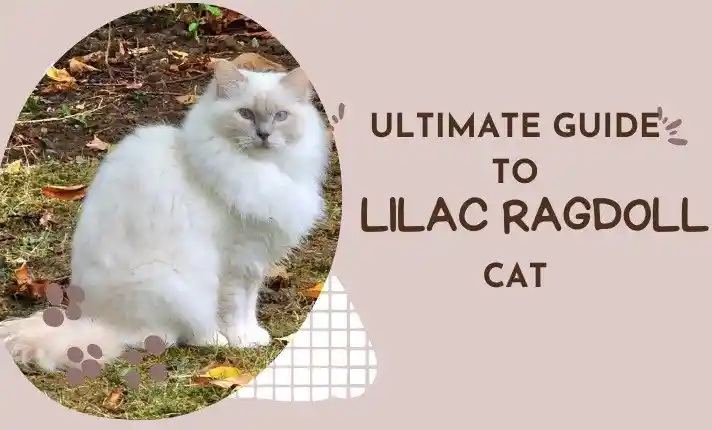
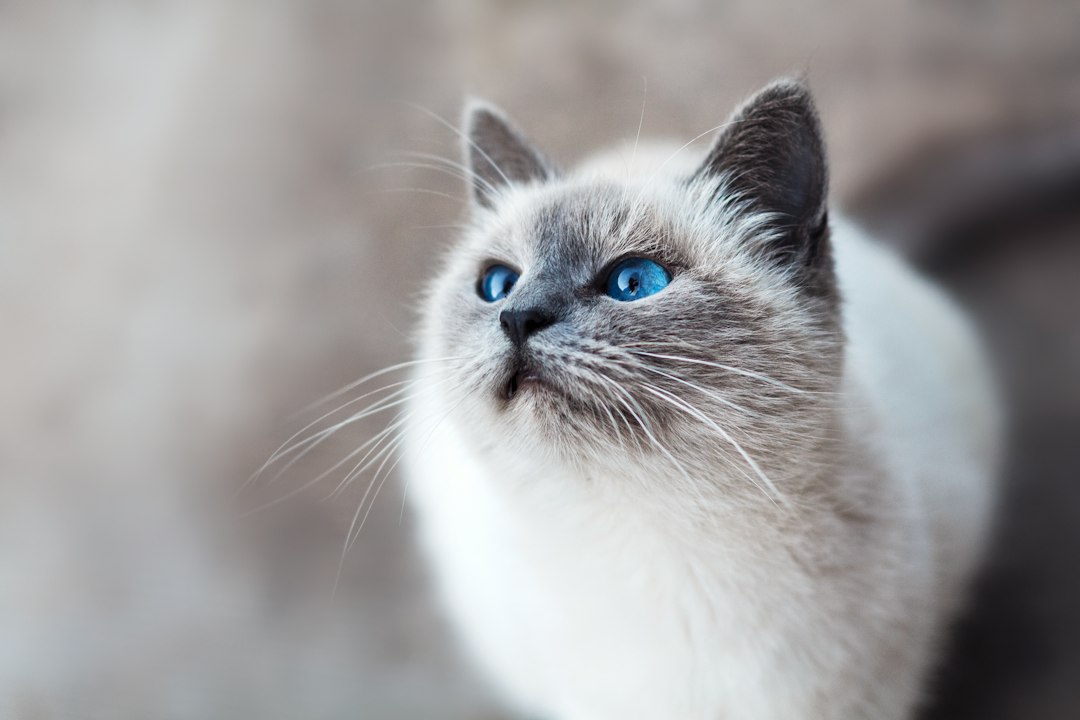
The Lilac Point Ragdoll has a light body with distinct lilac-colored points on the ears, face, paws, and tail. The points are an icy gray with hints of lavender, creating a gentle contrast with a pale, creamy white body. This type carries no extra white markings, giving a classic Ragdoll appearance with darker coloration on the extremities and a lighter torso. The rarity of the lilac coloration adds to its appeal, since it is less common than blue or seal.
2. Lilac Mitted Ragdoll
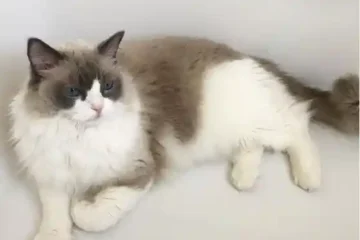
The Lilac Mitted Ragdoll features lilac points similar to the colorpoint pattern, but with distinctive white markings, white “mittens” on the front paws, white “boots” extending up the back legs, and typically a white stripe running from the chin down to the belly. Lilac Mitted Ragdolls are also very rare, combining two separately inherited genetic traits.
3. Lilac Bicolor Ragdoll
The Lilac Bicolor Ragdoll combines lilac and white fur, with an inverted “V” of white fur on the forehead extending down over the nose, whisker pads, and chest. The body is mostly white with lilac points primarily on the ears and tail. Unlike the Mitted or Colorpoint varieties, the Bicolor pattern carries larger areas of white, making the cat appear even lighter overall.
4. Lilac Lynx (Tabby) Ragdoll
Lilac Lynx Ragdolls, sometimes called lilac tabby Ragdolls, feature a tabby-like stripe pattern on their points in a cool gray color with lavender undertones. The lynx pattern is superimposed on the traditional lilac points and can combine with any of the other Ragdoll patterns, colorpoint, mitted, or bicolor, resulting in combinations such as a Lilac Lynx Mitted Ragdoll, which shows both tabby striping and white spotting.
5. Lilac Tortie Ragdoll
The Lilac Tortie Ragdoll, or Lilac Tortoiseshell, combines the lilac base color with patches of cream or red, creating a mottled, marbled appearance. Because the gene responsible is X-linked, the tortie pattern is almost always found in female cats. A Lilac Tortie can also carry lynx markings, producing a Lilac Tortie Lynx Ragdoll.
6. Lilac Cream Point Ragdoll
Lilac Cream Point Ragdolls have a glacial white body with points that combine lilac and cream, adding a warm hue to the otherwise cool lilac coloring. The mixed points on the ears, face, paws, and tail make this variety stand out from other lilac Ragdolls due to the added warmth in color.
Grooming Requirements
Lilac Ragdolls have a semi-longhaired coat that requires regular grooming to prevent matting and tangling.
1. Brush Regularly: use a wide-tooth comb or a slicker brush to avoid tangles and mats. Brushing helps distribute natural oils in the skin and prevents dryness. Our guide on Hairballs in Ragdoll Cats covers how regular brushing also reduces hairball frequency.
2. Focus on Trouble Areas: pay extra attention to areas prone to matting, such as the armpits, behind the ears, and around the base of the tail.
3. Bathe Occasionally: Lilac Ragdolls do not need frequent baths, but occasional bathing can help keep the coat clean and healthy. Use a gentle, pH-balanced cat shampoo to avoid stripping natural oils.
4. Dental Care: brush your Lilac Ragdoll’s teeth regularly to prevent tartar buildup, covered in full in our Ragdoll Cat Dental Care guide.
5. Ear Cleaning: clean your Lilac Ragdoll’s ears weekly with a soft, damp cloth to prevent wax buildup and infections.
Nutritional Diet
Lilac Ragdolls, like all cats, are obligate carnivores and require a diet rich in protein from named animal sources such as chicken, salmon, or beef, rather than vague terms like “meat” or “meat byproduct.” Look for food containing adequate Vitamin A, Vitamin D, calcium, and phosphorus. Ragdolls can be prone to obesity, so monitor fat intake and portion sizes carefully. Consult your veterinarian to ensure a balanced and safe diet, and keep an eye on your cat’s weight, coat condition, and overall health over time.
Health Screening and Preventive Measures
Coat color and health genes are inherited independently, so a Lilac Ragdoll carries the same breed-wide health considerations as any other Ragdoll color, no more and no less.
Health Screening
Hypertrophic Cardiomyopathy (HCM): the most significant identified genetic risk in the breed, a thickening of the heart muscle that can lead to heart failure if undetected. Our complete HCM in Ragdoll Cats guide covers genetic testing, staging, and what to ask a breeder.
Polycystic Kidney Disease (PKD): often described online as a major Ragdoll risk, but documented prevalence in the breed is actually low, well under what many pet blogs suggest. Our PKD in Ragdoll Cats guide covers the real numbers and what genetic testing can tell you.
Dental Disease: a common concern across all cat breeds, manageable with a consistent brushing routine.
Obesity: a relevant risk for a less active breed, manageable through portion control and regular play.
Our Common Ragdoll Health Problems guide links to each of these topics in more depth.
Preventive Care
Vaccination: keep your Lilac Ragdoll up to date on all recommended vaccinations, including rabies, distemper, and upper respiratory infections.
Parasite Control: regularly check for and prevent fleas, ticks, and worms.
Nutrition and Weight Management: feed a balanced diet and monitor your cat’s weight to prevent obesity-related health issues.
Regular Checkups: schedule annual checkups with your veterinarian to monitor your cat’s health and detect potential issues early.
Genetic Testing: consider genetic testing through a certified veterinary genetics lab for inherited conditions like HCM and PKD to identify potential health risks before they become symptomatic.
Exercise
Engage your Lilac Ragdoll in playtime activities like chasing toys, feather wands, or laser pointers. Interactive toys such as puzzle feeders, treat-dispensing toys, or catnip toys help keep your cat active and mentally engaged. Cat trees and climbing structures encourage physical activity and exploration, and window perches or cat shelves let your cat observe the outdoors while getting some exercise.
Basic Care Checklist for Lilac Ragdoll Cats
| Task | Frequency |
| Brush coat | 2 to 3 times weekly |
| Nail trim | Every 2 to 4 weeks |
| Clean ears and eyes | Weekly |
| Vet checkup | Annually |
| Dental care | 2 to 3 times weekly |
| Vaccination | As scheduled by your vet |
| Flea, tick, and worm prevention | Monthly or quarterly |
Myths and Misconceptions About Lilac Ragdolls
Myth: Ragdolls Are Always Floppy
Reality: Ragdolls are known for their relaxed nature and tend to go limp when held, but each cat has its own unique quirks and temperament.
Myth: Ragdolls Are Hypoallergenic
Reality: no cat breed is truly hypoallergenic. Ragdolls produce allergens like other cats, so anyone with allergies should spend time with one before adopting.
Myth: Ragdolls Do Not Shed
Reality: shedding is lighter than in some breeds, but Lilac Ragdolls do shed. Regular grooming helps manage loose hair.
Myth: Ragdolls Are Overly Clingy
Reality: Ragdolls are affectionate but not overly demanding. They enjoy human company without needing constant attention.
Myth: All Ragdolls Are Alike
Reality: Ragdoll Cat Colors and Patterns come in a wide range, including colorpoint, mitted, and bicolor, each with its own unique charm.
FAQs
1. What is a Lilac Ragdoll cat
A Lilac Ragdoll is a rare and beautiful color variation of the Ragdoll breed characterized by a pale, lavender-gray coat with pink undertones and vivid blue eyes.
2. What does a Lilac Ragdoll look like
A Lilac Ragdoll has a soft, lavender-gray coat with pinkish undertones and light gray to pink points, depending on the specific pattern.
3. Do Lilac Ragdolls require extra grooming
Not extra, but regular grooming. Lilac Ragdolls need brushing two to three times a week to prevent matting and tangling, the same as any other Ragdoll color.
4. How much do Lilac Ragdoll cats cost
Lilac Ragdoll kittens generally range from $1,500 to $4,000, depending on pedigree, pattern, breeder location, and show-quality status, reflecting the breed’s genuine rarity compared to seal or blue.
5. Where can I find a Lilac Ragdoll kitten
Look for reputable breeders who specialize in lilac Ragdolls and provide HCM genetic testing documentation, or check with breed-specific rescues for an adult lilac Ragdoll in need of a home.
6. Why is lilac rarer than blue in Ragdolls
Blue only requires one recessive dilution gene on top of the default seal color. Lilac requires both the recessive chocolate gene and the recessive dilution gene together, a double-recessive combination that is genuinely harder for breeders to produce consistently.
Related Topics and Search Terms Covered in This Guide
Secondary Keywords: Lilac Ragdoll Cat, Lilac Ragdoll Kitten, Lilac Ragdoll Price, Lilac Point Ragdoll, Lilac Mitted Ragdoll, Lilac Bicolor Ragdoll.
Related Topics: Ragdoll Color Genetics, Chocolate Ragdoll Cat, Blue Ragdoll Cat, Ragdoll Cat Colors And Patterns, Mink Ragdoll Cat, Ragdoll Cat Nutrition.
Semantic (LSI) Keywords: Double Recessive Gene Cats, Chocolate Dilution Genotype, Dd Genotype, Bb Genotype, Lavender Gray Coat, Pastel Point Color.
Long-Tail Keywords: Why Is Lilac The Rarest Ragdoll Color, How Much Does A Lilac Bicolor Ragdoll Cost, Difference Between Lilac And Blue Ragdoll, Is A Lilac Ragdoll Born White.
Question-Based Keywords (People Also Ask): What Is A Lilac Ragdoll Cat. What Does A Lilac Ragdoll Look Like. Do Lilac Ragdolls Require Extra Grooming. How Much Do Lilac Ragdoll Cats Cost. Where Can I Find A Lilac Ragdoll Kitten. Why Is Lilac Rarer Than Blue In Ragdolls.
Sources and Further Reading
- The Cat Fanciers’ Association (CFA)
- The International Cat Association (TICA)
- UC Davis Veterinary Genetics Laboratory – Ragdoll Coat Color Testing
This article is for general informational purposes and is not a substitute for advice from a licensed veterinarian, particularly regarding HCM or PKD screening. This guide will be reviewed and updated periodically as breed standards evolve.