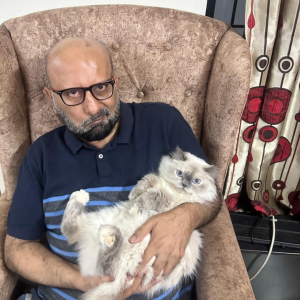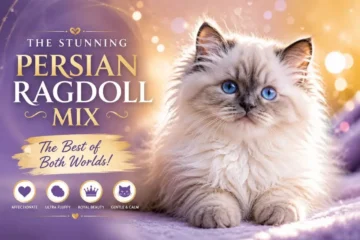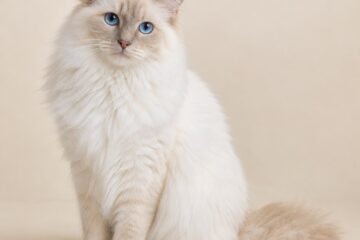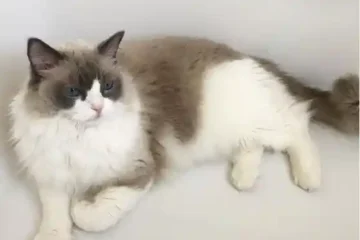
Mink Ragdoll cats are a delight to behold with their stunning appearance and endearing personalities. As a variant within the Ragdoll lineage, Mink Ragdolls boast a unique coat pattern and soft, silky fur that is irresistible to touch. These cats are known for their affectionate nature, often seeking human interaction and cuddles, making them wonderful companions for families and cat lovers alike.
Updated September 2026. This guide focuses on the practical side of Mink Ragdoll ownership, daily care, feeding, grooming, training, and every recognized type, including two color combinations most Mink guides leave out. For a deeper dive into the genetics and TICA registration status behind the Mink coat itself, see our companion guide, What Is A Mink Ragdoll Cat.
History of the Mink Ragdoll Cat
Mink Ragdoll cats trace back to Ann Baker’s original Ragdoll breeding program in Riverside, California, in the 1960s. The Mink coloring is not a separate breed or a recent invention, it is a bloodline that was present among the very earliest Ragdolls, caused by a genetic combination of the pointed gene (cs) and the Burmese gene (cb), sometimes written as the cbcs genotype. This combination produces a richer, deeper point color and a plush, mink-like coat texture compared to a traditional Ragdoll.
For many years, Mink Ragdolls were registered alongside traditional Ragdolls, though they were not eligible for championship showing under the original standard. More recently, The International Cat Association (TICA) introduced a distinct classification, called Cherubim, that separates Mink and Sepia coloring from the traditional Ragdoll breed standard rather than folding them in as a simple variant. If a breeder tells you a Mink kitten is “just a Ragdoll,” it is worth asking which specific registration category the kitten’s paperwork actually falls under.
Mink Ragdoll Breed Overview
| Trait | Detail |
| Coat | Soft, silky, plush mink-like texture |
| Eye Color | Aqua (blue-green) |
| Weight | Males 12 to 20 lbs, females 8 to 15 lbs |
| Lifespan | 12 to 17 years |
| Personality | Affectionate, gentle, playful |
| Living Style | Indoor cats |
| Suitable For | Families, singles, calm multi-pet homes |
Mink Ragdoll Kitten Development Stages
One genuine difference sets Mink kittens apart from traditional Ragdoll kittens right from birth. Traditional Ragdoll kittens are born almost entirely white, since the standard colorpoint gene only activates once the extremities cool. Mink kittens are born already showing color, since the Burmese gene component does not carry the same heat-sensitive restriction. This means a Mink kitten’s eventual point color is visible, at least faintly, from day one, rather than developing gradually over the following weeks the way it does in a traditional Ragdoll.
From there, development follows a broadly similar path to the rest of the breed:
- Birth to 8 weeks: kittens open their eyes around 1 to 2 weeks, begin walking and exploring shortly after, and start learning social skills through play with littermates.
- 2 months to 1 year: kittens grow rapidly in the first several months, begin basic litter box and handling training, and continue socializing with people and other pets.
- 1 to 4 years: Ragdolls, including Minks, are known for an unusually slow growth rate compared to most breeds. Full adult size, coat depth, and final point color intensity typically are not complete until somewhere between three and four years of age.
With proper care, a Mink Ragdoll can live 12 to 17 years or more, providing long-term companionship well past the point its coat has fully settled.
Food and Nutrition for a Mink Ragdoll Cat
Mink Ragdolls require a balanced diet that meets their nutritional needs, the same as any Ragdoll regardless of coat color. A few guidelines worth following:
- High-Quality Protein: Mink Ragdolls are obligate carnivores and require a diet rich in protein from animal sources.
- Moderate Fat Content: they need a moderate amount of fat for energy and skin health.
- High-Quality Commercial Cat Food: look for a premium food that meets AAFCO nutritional standards for your cat’s life stage.
- Wet Food: wet food can help with hydration and provide variety in the diet.
- Raw or Cooked Meat: some owners choose to supplement with raw or cooked meat, but it is essential to ensure it is prepared safely and nutritionally balanced, ideally with veterinary guidance.
How Many Meals Per Day
Feed your Mink Ragdoll 2 to 3 meals a day by dividing their daily ration to maintain a healthy weight, and consult your veterinarian to determine the best feeding schedule and portion size for your individual cat. Monitor weight over time and adjust intake to prevent obesity. Choose low-calorie, high-quality treats such as freeze-dried meat or dental chews, and keep treats under 10 percent of daily calorie intake. Fresh, clean water should always be available.
Types of Mink Ragdoll Cats
Mink Ragdoll cats come in several recognized color variations, each with the same characteristic aqua eyes and plush coat.
Seal Mink Ragdoll
Seal Mink Ragdolls have a warm, medium-brown body with darker seal points, complemented by aqua blue eyes. This is the most common Mink color.
Blue Mink Ragdoll
Blue Minks have a gray tone with slate-gray points and a silvery body, generally regarded as a calm and gentle variety.
Chocolate Mink Ragdoll
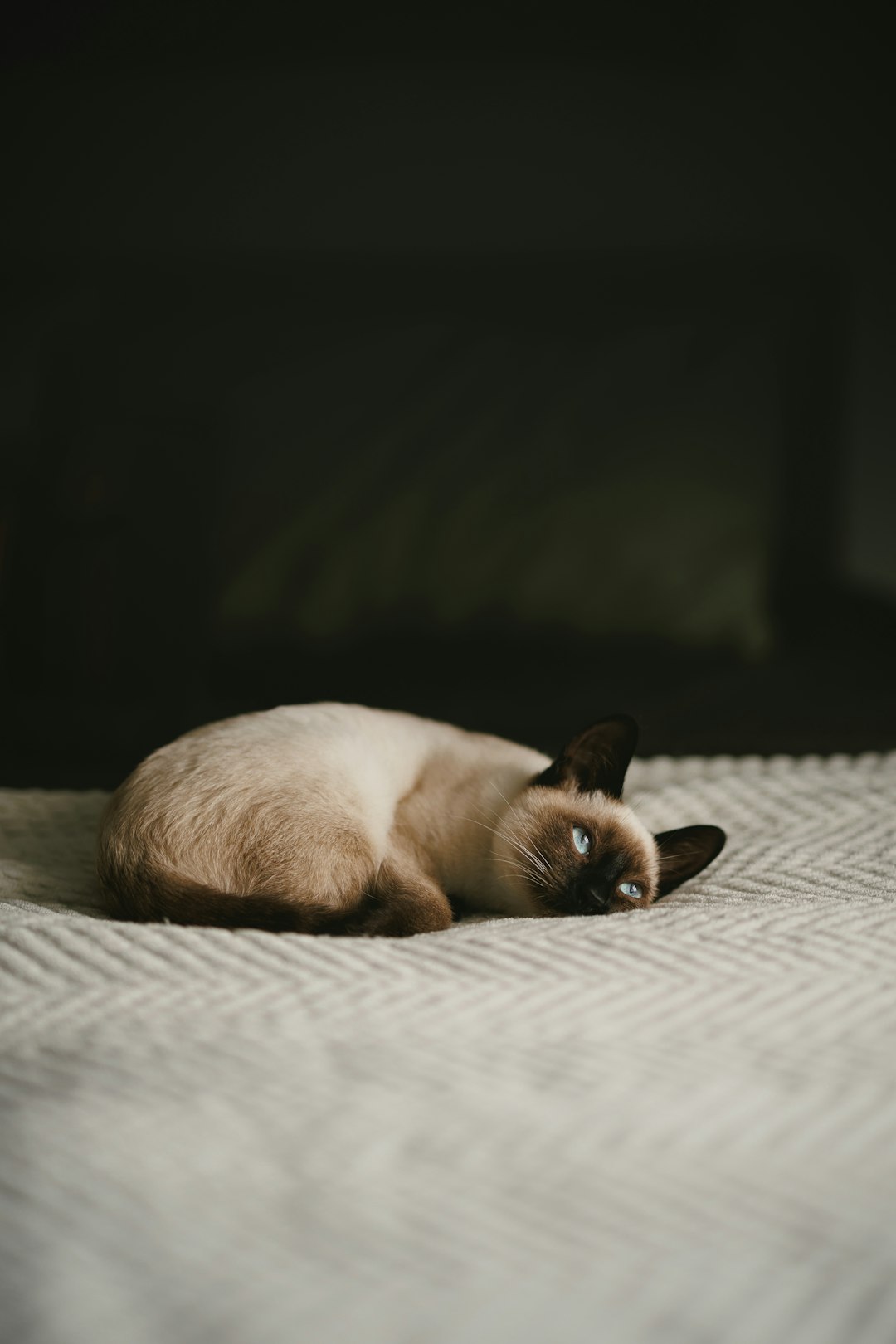
Chocolate Minks have milk-chocolate points with a creamy tan or ivory body and aqua blue eyes that contrast with the warm coat color.
Lilac Mink Ragdoll
Lilac Minks have pale, frosty-gray bodies with lavender-gray points, one of the rarer Mink colors since it requires both the chocolate and dilution genes together.
Cream Mink Ragdoll
Cream Minks have light beige points with a creamy white body and aqua blue eyes.
Flame Mink Ragdoll
Flame Minks have deep orange-red points with a light cream body. Since the red gene is X-linked, most flame Minks are male, the same inheritance pattern explained in our Flame Point Ragdoll Kittens guide.
Mink Lynx and Mink Tortie: The Combinations Most Guides Skip
Beyond the six solid colors above, Mink coloring can combine with two additional traits, the same way traditional Ragdoll coloring does. Mink Lynx adds tabby-style striping to the points, visible as faint stripes on the face, legs, and tail. Mink Tortie combines two point colors, always including red or cream, in a mottled pattern, and because the gene responsible is X-linked, Mink Tortie cats are almost always female. A cat showing both traits together is sometimes called a Mink Torbie. Our guide on the Ragdoll Cat Colors and Patterns covers how lynx and tortie overlays work across the whole breed, not just Mink coloring.
Grooming Tips for Mink Ragdolls
A Mink Ragdoll’s coat is soft and requires regular but not excessive grooming.
- Brushing: brush 2 to 3 times a week to prevent matting and tangling, using a slicker brush and taking extra care around sensitive areas like the face and ears. Our guide on Hairballs in Ragdoll Cats covers how regular brushing also reduces hairball frequency.
- Bathing: bathe only as needed, using a mild cat-specific shampoo. Overbathing can strip natural oils and lead to dryness and irritation.
- Nail Care: trim nails regularly with a cat nail clipper or grinder to prevent overgrowth and scratching damage.
- Ear and Eye Care: clean ears with a soft, damp cloth to prevent wax buildup, and check eyes regularly for discharge, redness, or irritation.
- Dental Care: regular tooth brushing matters just as much for Mink Ragdolls as any other color, covered in full in our Ragdoll Cat Dental Care guide.
Common Health Issues of Mink Ragdoll Cats
Coat color and pattern genes are inherited independently from health genes, so a Mink Ragdoll carries the same breed-wide health considerations as any other Ragdoll color, no more and no less.
- Hypertrophic cardiomyopathy (HCM): a thickening of the heart muscle and the most significant identified genetic risk in the breed. Symptoms can include lethargy, loss of appetite, rapid breathing, and in severe cases sudden hind limb weakness from a blood clot. Our complete HCM in Ragdoll Cats guide covers genetic testing, staging, and what to ask a breeder.
- Polycystic kidney disease (PKD): often described online as a major Ragdoll health risk, but documented prevalence in the breed is actually low, well under what many pet blogs suggest. Our PKD in Ragdoll Cats guide covers the real numbers and what genetic testing can tell you.
- Dental disease: a common concern across all cats, manageable with a regular brushing routine.
- Obesity: a relevant risk for a less active breed, manageable through portion control and regular play.
Our Common Ragdoll Health Problems guide links to each of these topics in more depth.
Training and Socialization Tips
Mink Ragdolls are known for their intelligence, affectionate nature, and adaptability, which makes them genuinely trainable with the right approach.
- Positive Reinforcement: reward good behavior with treats and praise to encourage your cat to repeat it, which also builds trust and strengthens your bond.
- Clicker Training: a clicker marks the desired behavior the instant it happens, followed by a reward, helping your cat associate the sound with a positive outcome.
- Litter Box Training: placing your kitten in the litter box after meals and naps helps build a consistent routine. Consistency and patience matter more than speed here.
- Basic Commands: teaching commands like sit, stay, and come is genuinely achievable with Ragdolls using the same positive reinforcement approach.
Difference Between Mink Ragdoll and Traditional Ragdoll Cats
| Characteristic | Mink Ragdoll | Traditional Ragdoll |
| Coat Texture | Plush, mink-like, slightly thicker | Silky and smooth |
| Point Color Depth | Darker and richer | Softer, lighter contrast |
| Eye Color | Aqua (blue-green) | Vivid blue |
| Kitten Coloring | Born showing color | Born nearly white |
| TICA Classification | Cherubim | Traditional Ragdoll breed standard |
Interesting Facts About Mink Ragdoll Cats
- Unique Coat Coloration: Mink Ragdolls have a distinctive coloration with a warm hue and darker points compared to traditional Ragdolls.
- Aqua Eye Color: Mink Ragdolls have stunning aqua blue-green eyes rather than the vivid blue of traditional Ragdolls.
- Born With Color: unlike traditional Ragdoll kittens born nearly white, Mink kittens show color from birth.
- Calm and Gentle: Mink Ragdolls share the breed’s famously relaxed, affectionate temperament.
- Traceable Genetics: the Mink coloring can be traced back to Ann Baker’s original foundation cats, not a modern crossbreeding project.
- Loyal Companions: Mink Ragdolls are devoted to their owners, often following them around the house and settling in close by.
Can Mink Ragdolls Live With Other Pets
Mink Ragdolls are known for their calm and gentle nature, which makes them a good fit for a household with other pets. As with any cat, introduce them slowly and under controlled circumstances. Keep pets separated at first and let them get used to each other’s scents and sounds, then watch body language closely for signs of aggression or fear before allowing supervised contact. A calm environment, a compatible temperament in the resident pet, and plenty of individual attention all help create a harmonious multi-pet household.
Myths and Misconceptions About Mink Ragdoll Cats
Myth: Mink Ragdolls Are a Completely Separate Breed
Reality: Mink coloring traces back to the Ragdoll’s original foundation cats and shares the same general breed history, though it now falls under TICA’s separate Cherubim classification rather than the traditional Ragdoll standard.
Myth: Mink Ragdolls Are Hypoallergenic
Reality: Mink Ragdolls shed less than some breeds, but they are not hypoallergenic and can still trigger allergies in sensitive people.
Myth: Mink Ragdolls Are Lazy
Reality: Mink Ragdolls are playful and enjoy interactive toys, particularly as kittens and young adults, even though the breed generally mellows with age.
Myth: Mink Ragdolls Are Difficult to Care For
Reality: Mink Ragdolls are relatively low-maintenance pets that thrive on consistent attention and a simple grooming routine.
Frequently Asked Questions
What is a Mink Ragdoll
A Mink Ragdoll is a color variety within the Ragdoll lineage known for its luxurious, mink-like fur, richer point color, and vivid aqua eyes, now classified by TICA under the separate Cherubim category.
Do Mink Ragdolls shed
Yes, they shed moderately, but regular brushing two to three times a week helps manage it.
What is the temperament of the Mink Ragdoll cat
Gentle, affectionate, and laid-back, the same core temperament as every other Ragdoll color. They are easygoing and genuinely enjoy human companionship.
Are Mink Ragdolls prone to health issues
They carry the same breed-wide risks as any Ragdoll, mainly hypertrophic cardiomyopathy, and a much lower documented risk of polycystic kidney disease than is often assumed. Coat color does not change these risks either way.
Can Mink Ragdolls get along with other pets
Yes, especially when introduced slowly and under controlled circumstances, with a calm environment and plenty of individual attention for each pet.
Is a Mink Ragdoll kitten born white like a traditional Ragdoll
No. Mink kittens are born already showing color, while traditional Ragdoll kittens are born nearly white and develop color gradually over the following weeks.
What is a Mink Tortie Ragdoll
A Mink Tortie combines two point colors, always including red or cream, in a mottled pattern on the Mink coat. Because the gene involved is X-linked, Mink Torties are almost always female.
Related Topics and Search Terms Covered in This Guide
Secondary Keywords: Mink Ragdoll Cat, Mink Ragdoll Kitten, Mink Ragdoll Price, Mink Ragdoll Types, Mink Ragdoll Colors, Cherubim Ragdoll.
Related Topics: Ragdoll Color Genetics, TICA Cherubim Classification, Mink Lynx Ragdoll, Mink Tortie Ragdoll, Ragdoll Cat Nutrition, Ragdoll Cat Training.
Semantic (LSI) Keywords: Burmese Gene In Cats, Pointed Gene Cbcs, Aqua Eye Color Cats, Plush Coat Texture, Cherubim Breed Group, X-Linked Tortie Gene.
Long-Tail Keywords: Is A Mink Ragdoll A Purebred Ragdoll, Difference Between Mink And Traditional Ragdoll, How Much Does A Mink Ragdoll Cost, Are Mink Ragdoll Kittens Born With Color.
Question-Based Keywords (People Also Ask): What Is A Mink Ragdoll. Do Mink Ragdolls Shed. What Is The Temperament Of The Mink Ragdoll Cat. Are Mink Ragdolls Prone To Health Issues. Can Mink Ragdolls Get Along With Other Pets. Is A Mink Ragdoll Kitten Born White Like A Traditional Ragdoll. What Is A Mink Tortie Ragdoll.
Sources and Further Reading
- The International Cat Association (TICA) – Ragdoll Breed Standard
- The Cat Fanciers’ Association (CFA)
- UC Davis Veterinary Genetics Laboratory – Ragdoll Coat Color Testing
This article is for general informational purposes and is not a substitute for advice from a licensed veterinarian, particularly regarding HCM or PKD screening. This guide will be reviewed and updated periodically as breed standards evolve.
For the full genetics and registration history behind the Mink coat, see our companion guide, What Is A Mink Ragdoll Cat.