
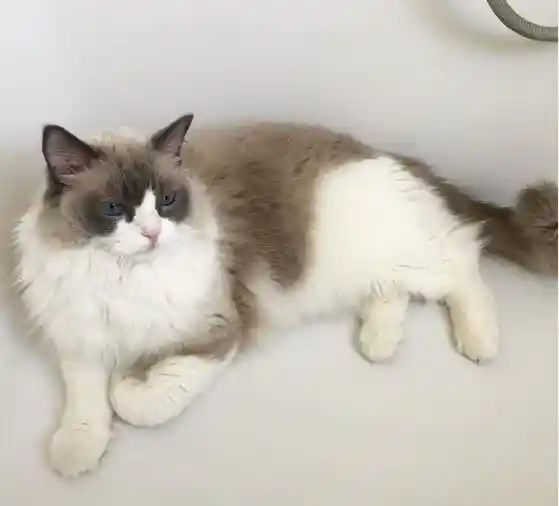
Ragdoll cats are known for their affectionate nature, stunning blue eyes, and gentle demeanor, often leading them to be described as “puppy-like.” They thrive on social interaction and love to be close to their humans. But when you are away at work, school, or other commitments, you may wonder: Do Ragdoll cats need a companion to be happy, or are they content to be alone? This guide explores what makes Ragdolls unique, how long they can realistically be left alone, how to tell if your cat is lonely, and how to introduce a new companion safely if you decide to get one.
Updated September 2026.
Do Ragdoll Cats Need a Companion
Yes, Ragdoll cats do generally benefit from having a companion, especially if they are left alone for long periods. Ragdolls are highly social and crave interaction, whether it is from their human family or another animal friend. If your Ragdoll cat is often alone, they may get lonely and bored, which can lead to behavioral issues. In such cases, a companion can provide the friendship and interaction they need to stay happy and healthy.
However, if you are home most of the time and can give your Ragdoll lots of attention, they may do just fine as the only cat. It depends on your cat’s personality and your lifestyle. Some Ragdolls love having another cat to play with, while others are content to just be with their human.
If you notice your Ragdoll is always seeking attention, meowing a lot, or acting out, it may be a sign they could benefit from a friend.
How Long Can Ragdoll Cats Be Left Alone
This is the practical question behind most of this decision, and estimates vary across sources, so it is worth being honest about the range rather than quoting one exact number. Catster, reviewed by a veterinarian, notes that Ragdolls are docile and extremely dependent on companionship compared to many other breeds. A reasonable working guideline is that most healthy adult Ragdolls tolerate four to eight hours alone without issue, provided they have food, fresh water, a clean litter box, and some form of mental stimulation available.
Beyond eight to ten hours on a regular basis, the risk of loneliness, boredom, and the behavioral signs covered below increases. If your schedule regularly keeps you away longer than that, a companion animal, a reliable pet sitter, or a trusted neighbor who can check in partway through the day are all reasonable options worth considering.
Do All Ragdolls Need a Companion
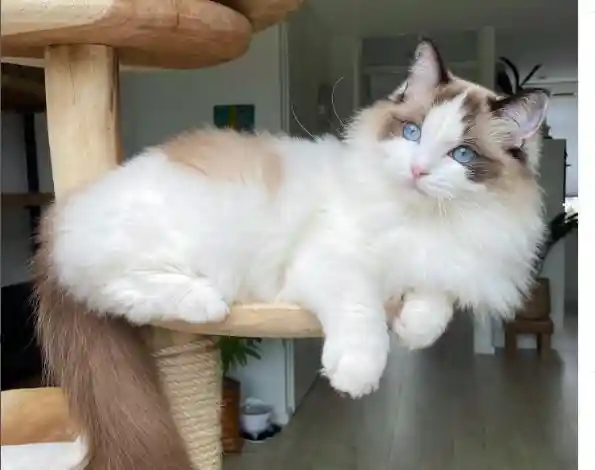
Not all Ragdolls are the same, some cats are naturally more solitary. While many Ragdolls thrive with a companion, some prefer having the house, and their humans, to themselves. It is important to evaluate your cat’s personality. If your Ragdoll is showing signs of loneliness, such as excessive vocalization, destructive behavior, or over-grooming, it might be a sign that they need a companion.
Signs Your Ragdoll May Need a Companion
If you are wondering whether your Ragdoll is feeling lonely, here are nine signs to look out for:
- Excessive Meowing (Vocalization) – Your Ragdoll may frequently meow or cry, especially when you are about to leave the house.
- Lethargy – A lonely Ragdoll may show a lack of interest in play and appear to be sleeping more than usual.
- Destructive Behavior – Lonely Ragdolls may scratch furniture, knock things over, or engage in other destructive actions.
- Over-Grooming – Over-grooming, sometimes to the point of creating bald spots, can indicate that your cat is stressed or anxious due to loneliness.
- Loss of Appetite – If your Ragdoll suddenly shows a lack of interest in eating.
- Clinginess – Your cat may follow you around excessively and refuse to be left alone, demonstrating signs of clinginess.
- Hiding or Isolation – If your Ragdoll is hiding more often or spending more time in isolated spots.
- Aggressive Behavior – A Ragdoll that suddenly becomes aggressive towards you or other pets may be displaying symptoms of frustration and loneliness.
- Excessive Sleeping – While cats sleep a lot, if your Ragdoll is sleeping more than usual and appears uninterested in regular activities.
A quick caution worth adding here: several of these signs, especially loss of appetite, bald spots from over-grooming, and sudden aggression, can also point to a medical problem rather than loneliness. If any of these appear suddenly or alongside other symptoms, a veterinary check is a sensible first step before assuming the cause is purely behavioral.
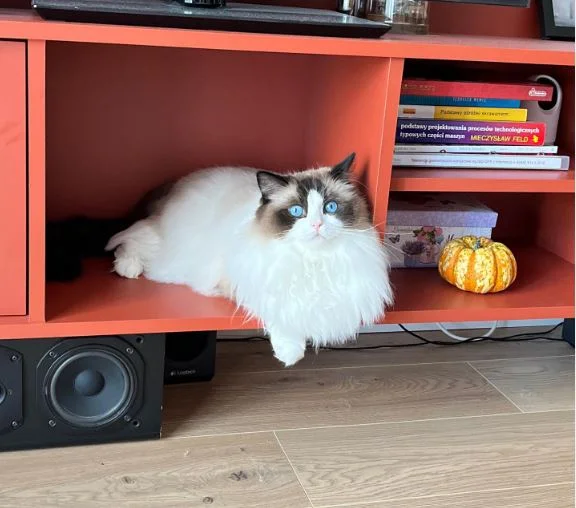
The Benefits of Getting a Companion for Your Ragdoll Cat
Adding another cat to your household can provide multiple benefits for your Ragdoll. It can improve their emotional well-being by giving them a constant friend who offers companionship and support, especially when their human is not around. Having a companion also encourages social enrichment and play, which helps keep them active and mentally stimulated.
Play fights and wrestling can help with weight management, a relevant consideration for a less active breed like the Ragdoll, covered in more depth in our Common Ragdoll Health Problems guide. Having another feline in the house can also decrease separation anxiety, providing stability and comfort when you are away.
Who Would Make a Good Companion for Your Ragdoll Cat
Ragdoll cats are generally very social and get along well with other cats, especially those that share a similar temperament. Another Ragdoll or a calm, easygoing breed like a British Shorthair, Burmese, Maine Coon, Birman, or Scottish Fold would be a great choice, as they are likely to match the Ragdoll’s relaxed and affectionate nature.
However, Ragdolls can also live happily with a well-behaved dog, as long as the dog is gentle and cat-friendly. Many Ragdolls form close bonds with dogs that are calm and non-aggressive, such as breeds like Golden Retrievers or Cavalier King Charles Spaniels.
It is important to ensure that any companion, whether a cat or a dog, has a compatible temperament and that introductions are done gradually to ensure both pets feel comfortable and safe around each other.
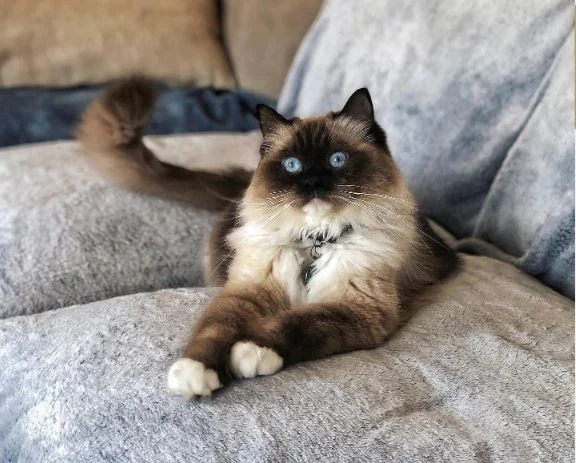
How to Introduce a New Companion to Your Ragdoll
A good match on paper can still go badly if the introduction happens too fast. A gradual process, often over one to two weeks rather than a single afternoon, gives both animals the best chance of bonding well.
- Separate spaces first. Keep the new pet in its own room with food, water, and a litter box for the first few days, so your Ragdoll gets used to a new scent in the house before any face-to-face contact.
- Swap scents deliberately. Exchange bedding or a worn towel between the two animals, or gently rub a cloth on one and let the other sniff it, to build familiarity before they meet.
- Allow supervised visual contact. Use a cracked door, a baby gate, or a carrier to let them see each other without full access, watching for relaxed body language before moving further.
- Progress to short, supervised meetings. Keep early sessions brief and calm, ending on a positive note with treats or play rather than letting tension build.
- Give your Ragdoll a retreat space. Make sure your existing cat always has a room or perch it can access without the newcomer following, so it never feels cornered.
- Consider fostering first if you are unsure. Many shelters allow a trial fostering period, which lets you see how the two animals genuinely get along before committing to a permanent adoption.
If introductions are not going well after a few weeks, consulting your veterinarian or a certified feline behaviorist is a reasonable next step before assuming the pairing cannot work.
Enriching Your Ragdoll Cat’s Life as a Solo Pet
If getting another pet is not feasible, you can still ensure your Ragdoll cat stays happy. Ragdolls thrive with plenty of attention, which can be provided in the form of interactive play, cuddling, or simply being in the same room as you. Rotating toys regularly and incorporating food puzzles can help keep them mentally stimulated.
Environmental enrichment is another key aspect. Provide vertical spaces, such as cat trees or shelves, and consider placing a perch by a window so your Ragdoll can watch the outdoors. Spending dedicated time each day playing or simply relaxing with your cat can also help address some of their social needs.
Do Ragdoll Cats Get Attached to One Person
Yes, Ragdoll cats often form a particularly strong attachment to one person in their household. They are known for their loyalty and can develop a preference for a specific person who gives them the most attention, affection, and care. This bond can manifest in behaviors like following that person around, seeking physical closeness, and even showing signs of separation anxiety when their favorite human is away.
Frequently Asked Questions
Do Ragdolls need another cat
Not strictly, but many Ragdolls thrive with another cat that provides social interaction and reduces loneliness, particularly if their owner is away from home for long stretches.
Can Ragdoll cats be left alone
Yes, for a reasonable stretch. Most healthy adult Ragdolls handle about four to eight hours alone without issue, provided they have food, water, a clean litter box, and some mental stimulation. Beyond eight to ten hours regularly, a companion, pet sitter, or check-in becomes worth considering.
Are Ragdoll cats good with dogs
Yes, Ragdoll cats can get along well with dogs, especially those that are calm and cat-friendly. Breeds like Golden Retrievers or Cavalier King Charles Spaniels tend to be good matches for Ragdolls.
How do I introduce a new cat to my Ragdoll
Gradually. Keep the new pet separate at first, swap scents before any face-to-face contact, allow supervised visual contact, then progress to short, calm meetings over one to two weeks. Always give your Ragdoll a retreat space it can access without the newcomer following.
Is a kitten or an adult cat a better companion for an adult Ragdoll
Both can work, and temperament match matters more than age. A calm, easygoing adult cat close in energy level to your Ragdoll is often an easier introduction than an especially high-energy kitten, though many Ragdolls adapt well to either with a gradual introduction.
Can two Ragdolls live together well
Generally yes, since two cats with the same calm, affectionate temperament often pair naturally. The main consideration is introducing them gradually rather than assuming shared temperament guarantees instant bonding.
Related Topics and Search Terms Covered in This Guide
Secondary Keywords: Ragdoll Cat Loneliness, Ragdoll Cat Separation Anxiety, Ragdoll Cat Companion Breeds, Ragdoll Cat Left Alone, Ragdoll Cat Socialization.
Related Topics: Introducing Cats To Each Other, Multi-Cat Household Tips, Ragdoll Cat Temperament, Ragdoll Cat Enrichment, Cat Separation Anxiety.
Related Terms: Feline Scent Swapping, Cat Introduction Protocol, Environmental Enrichment For Cats, Single Person Attachment In Cats, Feline Behavioral Signs Of Stress.
People Also Search: How Long Can A Ragdoll Be Left Alone, Best Cat Breed To Pair With A Ragdoll, Signs A Ragdoll Is Lonely, Do Ragdolls Need Two Cats.
People Also Ask: Do Ragdolls Need Another Cat. Can Ragdoll Cats Be Left Alone. Are Ragdoll Cats Good With Dogs. How Do I Introduce A New Cat To My Ragdoll. Is A Kitten Or An Adult Cat A Better Companion For An Adult Ragdoll. Can Two Ragdolls Live Together Well.
Sources and Further Reading
- Catster (Vet-Verified) – Do Ragdoll Cats Need a Companion
- American Association of Feline Practitioners
This article is for general informational purposes and is not a substitute for advice from a licensed veterinarian or a certified feline behaviorist, particularly if your cat shows sudden or severe behavioral changes. This guide will be reviewed and updated periodically as new information becomes available.
Conclusion
Yes, Ragdoll cats often need a companion because they are social animals and can feel lonely without one. Many Ragdolls thrive with another pet, as it helps reduce loneliness and provides opportunities for social interaction. However, some Ragdolls can do well alone if they receive ample attention, stimulation, and affection from their humans. The key is to ensure your Ragdoll feels secure, enriched, and loved, whether they have a companion or not, and to introduce any new companion gradually so the relationship starts off well.
Does your Ragdoll have a companion, feline, canine, or otherwise. Share how the introduction went in the comments, it helps other owners know what to expect.