
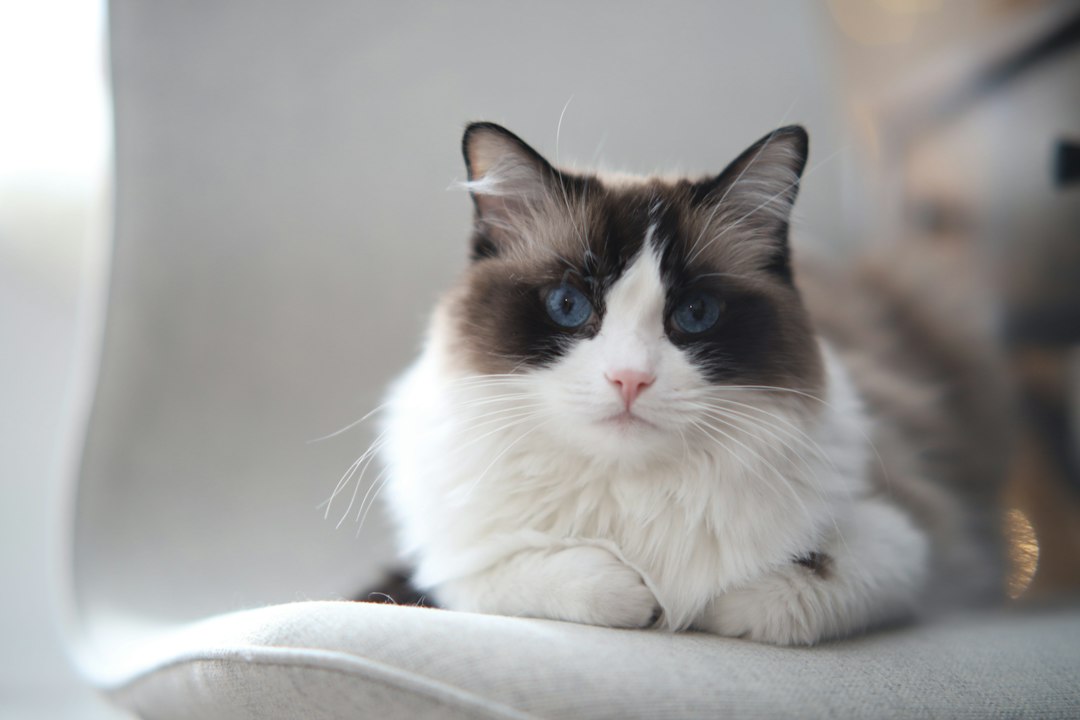
Polycystic kidney disease, usually shortened to PKD, is a name that shows up often in Ragdoll health discussions, sometimes with numbers attached that do not hold up against the actual research. This guide covers what PKD really is, how common it actually is in modern Ragdolls based on published studies rather than repeated blog claims, how it is diagnosed, and what it means if you own or are considering a Ragdoll.
Published September 2026. This guide is for general education and is not a substitute for an in-person veterinary examination or genetic counseling from your cat’s vet.
What Is Polycystic Kidney Disease in Cats
Autosomal dominant polycystic kidney disease, or AD-PKD, is an inherited condition caused by a mutation in the PKD1 gene. Cats born with the mutation develop small, fluid-filled cysts in their kidneys, present from birth even though they cause no problems at first. Over months and years, the cysts slowly grow in size and number, gradually replacing healthy kidney tissue. Eventually, enough functional tissue is lost that the kidneys can no longer filter waste properly, leading to chronic kidney disease and, in advanced cases, kidney failure.
Because the disease is autosomal dominant, a cat only needs to inherit one copy of the mutated gene from either parent to be affected. That also means an affected cat passes the mutation to roughly half its offspring on average, which is why breeding decisions matter so much in controlling it.
Is PKD Actually Common in Ragdoll Cats
This is worth addressing directly, because the honest answer differs from what a lot of pet health content currently says. PKD is overwhelmingly a Persian and Persian-lineage disease. According to a 2021 review published in the journal Animals, PKD is one of the most prevalent genetic diseases in Persians specifically, with documented prevalence rates of 31 to 42 percent in European Persian populations.
Ragdolls carry some historical Persian ancestry, which is exactly why the breed has been flagged as theoretically at risk and why testing exists for it. But the actual documented numbers in Ragdolls are low, not high. A retrospective study from Ghent University’s veterinary college, screening 244 Ragdolls over eight years using ultrasound, bloodwork, and genetic testing, found a PKD prevalence under 3 percent, dramatically lower than the 31 to 42 percent seen in Persians. Every genetically tested cat in the study’s final years came back negative.
A larger and more recent genetic dataset backs this up further. A 2024 to 2025 study analyzing genetic testing results from tens of thousands of cats across 14 breeds found zero Ragdolls carrying the conventional PKD1 mutation in both 2019 and 2022 testing snapshots, the same result found in Maine Coons, Bengals, and Russian Blues. Some pet health blogs still describe PKD as the most common kidney disease in Ragdolls, accounting for a majority of kidney disease cases in the breed. That claim is not supported by the actual screening and genetic data currently available, and repeating it risks causing unnecessary alarm rather than informing owners accurately.
The realistic takeaway: PKD is a legitimate reason to ask a Ragdoll breeder for genetic test results, since the test is cheap, definitive, and the condition is serious when present. But it is not currently a widespread problem in the breed, largely because responsible breeders have already been testing for it for years.
Other Causes of Kidney Disease in Ragdolls
This distinction matters because a Ragdoll can develop chronic kidney disease without ever having PKD. The same Ghent University study found that nearly 10 percent of the screened, otherwise healthy Ragdoll population showed ultrasound findings compatible with chronic kidney disease, despite almost none of them testing positive for the PKD1 mutation.
A separate published study identified a different kidney condition in some Ragdolls, described as oxalate-like nephrosis, distinct from PKD entirely. The practical point for owners is this: a PKD-negative Ragdoll is not automatically a kidney-disease-free Ragdoll for life. Age-related decline and other kidney conditions can still develop, which is why routine bloodwork as your cat ages matters regardless of genetic test results.
Symptoms of PKD and Kidney Disease in Cats
Because the underlying process is slow, most cats show no symptoms for years, and some never show clear symptoms at all. When signs do appear, they tend to overlap heavily with chronic kidney disease symptoms generally, rather than being unique to PKD specifically:
- Increased thirst and more frequent urination
- Reduced appetite or noticeable weight loss over weeks or months
- Lethargy or a general drop in energy
- Vomiting, which can also point to several other causes covered in our guide on vomiting in Ragdoll cats
- Poor coat condition or reduced grooming
- Blood in the urine or signs of discomfort while urinating, in some cases
None of these symptoms are exclusive to PKD, and by the time symptoms appear, a significant portion of kidney function is often already reduced. This is exactly why testing and monitoring matter more than waiting for visible signs.
How PKD Is Diagnosed
There are two distinct paths to diagnosis, and they answer different questions.
Genetic testing checks for the PKD1 mutation itself, using a blood sample or a simple cheek swab, and can be performed at any age, even in young kittens, through labs like the UC Davis Veterinary Genetics Laboratory. This tells you whether the cat carries the mutation at all, regardless of whether cysts have formed yet.
Ultrasound imaging checks for the physical presence of cysts and is used to assess a cat that is already showing symptoms, or as a periodic check in at-risk cats. Bloodwork measuring BUN, creatinine, and SDMA (symmetric dimethylarginine) evaluates how well the kidneys are currently functioning, which matters most once cysts are already affecting kidney performance, regardless of the underlying cause.
Genetic testing answers “does this cat carry the mutation.” Ultrasound and bloodwork answer “how are this cat’s kidneys doing right now.” Both have a place, and they are not interchangeable.
Understanding a PKD Genetic Test Result
A PKD1 genetic test result comes back as one of three outcomes:
- Negative: the cat carries no copies of the mutation and cannot develop or pass on PKD1-linked disease
- Positive (heterozygous): the cat carries one copy of the mutation, will likely develop cysts over time, and will pass the mutation to roughly half its offspring if bred
- Positive (homozygous): extremely rare in living cats, since two copies of the mutation is generally considered incompatible with survival to birth
Responsible Ragdoll breeders test all breeding cats and remove PKD1-positive individuals from their breeding programs, which is part of why documented prevalence in the breed has stayed low. If you are buying a kitten, asking to see the parents’ PKD test results, alongside HCM screening, is a reasonable and increasingly standard request.
Treatment and Management
There is no cure for PKD, and the cysts themselves cannot be removed or reversed. According to VCA Animal Hospitals, treatment focuses on managing the resulting kidney disease the same way chronic kidney disease is managed generally, since the clinical picture overlaps heavily once symptoms appear. This typically includes:
- A kidney-support therapeutic diet, lower in phosphorus and formulated to reduce strain on the kidneys
- Fluid therapy, at home or at the vet, to help manage hydration and support kidney function
- Medications to manage nausea, blood pressure, or phosphorus levels as needed
- Periodic rechecks, typically every two to six months, to track kidney values and adjust treatment
In cats with a few very large, painful cysts, a vet may periodically drain fluid from them to relieve discomfort, though this does not stop new cysts from forming elsewhere. The overall goal of treatment is slowing progression and maintaining quality of life, not reversing existing damage.
Life Expectancy and Outlook
Outlook varies enormously and depends far more on when symptoms appear and how quickly the disease progresses than on the diagnosis alone. Many PKD-positive cats live for years with a good quality of life before kidney function declines meaningfully, particularly with early detection and consistent monitoring. Cats diagnosed only after significant symptoms appear, when a large portion of kidney function is already compromised, generally have a more guarded outlook. This variability is exactly why regular veterinary monitoring, rather than a single diagnosis, drives the real prognosis. For a broader look at how preventive care affects a Ragdoll’s overall life expectancy, see our guide on the lifespan of a Ragdoll cat.

What This Means If You Are Buying a Ragdoll Kitten
A practical checklist for prospective owners:
- Ask the breeder for PKD1 genetic test results on both parents, not just verbal assurance.
- Ask for HCM screening results as well, since it is a separate but similarly important genetic concern in the breed.
- A negative PKD test on both parents means your kitten cannot inherit PKD1-linked disease, which is a meaningful and verifiable guarantee, unlike many other health claims breeders make informally.
- Keep in mind a negative PKD result does not rule out all kidney disease later in life, so routine bloodwork as your cat ages still matters.
- If you already own an adult Ragdoll of unknown genetic status, testing is still worthwhile, since it is inexpensive and gives you real information rather than guesswork.
People Also Ask: PKD in Ragdoll Cats FAQ
1. Are Ragdoll cats prone to kidney disease
Ragdolls are not documented to have a high rate of PKD specifically, with published studies showing prevalence under 3 percent and more recent large genetic datasets finding essentially none. However, Ragdolls, like any breed, can develop age-related or other forms of chronic kidney disease unrelated to PKD, which is why routine bloodwork as cats age still matters.
2. Can PKD in cats be cured
No. There is currently no cure for PKD in cats. Treatment focuses on managing symptoms and slowing progression of the resulting kidney disease through diet, fluid therapy, and monitoring, similar to how chronic kidney disease is managed generally.
3. How do you test a cat for PKD
A genetic test using a blood sample or cheek swab checks directly for the PKD1 mutation and can be done at any age, including in kittens. Ultrasound imaging can detect actual cysts once they have formed and is typically used in symptomatic cats or as periodic monitoring.
4. How long can a cat live with PKD
Life expectancy varies significantly based on how early the disease is caught and how quickly it progresses in that individual cat, which differs a great deal from cat to cat. Many cats live for years with a good quality of life, particularly with early detection and consistent veterinary monitoring, while cats diagnosed after significant symptoms appear generally face a more guarded outlook.
5. Is polycystic kidney disease in cats genetic
Yes. PKD is caused by a mutation in the PKD1 gene and is inherited in an autosomal dominant pattern, meaning a cat needs only one copy of the mutated gene from either parent to be affected, and an affected cat passes it to roughly half its offspring on average.
6. How much does a PKD test for cats cost
Cost varies by lab and location, but genetic testing for PKD1 is generally one of the more affordable single-gene tests available, since it uses a straightforward blood or cheek swab sample rather than imaging. Checking directly with a certified veterinary genetics lab gives the most accurate current pricing.
7. At what age do cats show PKD symptoms
Cysts are present from birth in affected cats, but symptoms typically do not appear until years later, often around seven years of age on average, though this varies widely. Some affected cats never show clear symptoms in their lifetime, while others show earlier and faster progression.
Sources and Further Reading
This guide is based on published veterinary research and screening studies rather than repeated blog claims. For deeper reading:
- EveryCat Health Foundation – Ragdoll Cats and Kidney Disease (Ghent University Study)
- Feline Polycystic Kidney Disease: An Update (Animals, 2021)
- VCA Animal Hospitals – Polycystic Kidney Disease in Cats
- UC Davis Veterinary Genetics Laboratory – Ragdoll Breed Testing
This article is for general educational purposes and is not a substitute for an in-person veterinary examination or professional genetic counseling. If your cat is showing signs of kidney disease, contact your veterinarian. This guide will be reviewed and updated periodically as veterinary research evolves.
Final Thoughts
The real story on PKD in Ragdolls is more reassuring than some content online suggests, current research shows low documented prevalence in the breed, largely thanks to years of responsible breeder testing. That said, the disease is serious enough, and the test simple enough, that verifying PKD status remains a reasonable standard to expect from any Ragdoll breeder. Pair that with routine bloodwork as your cat ages, since kidney disease from other causes can still develop regardless of PKD status, and you are covering the realistic risk rather than an inflated one.
Has your Ragdoll been tested for PKD, or has your vet run kidney bloodwork as part of a senior wellness check. Share your experience in the comments to help other owners know what to expect.