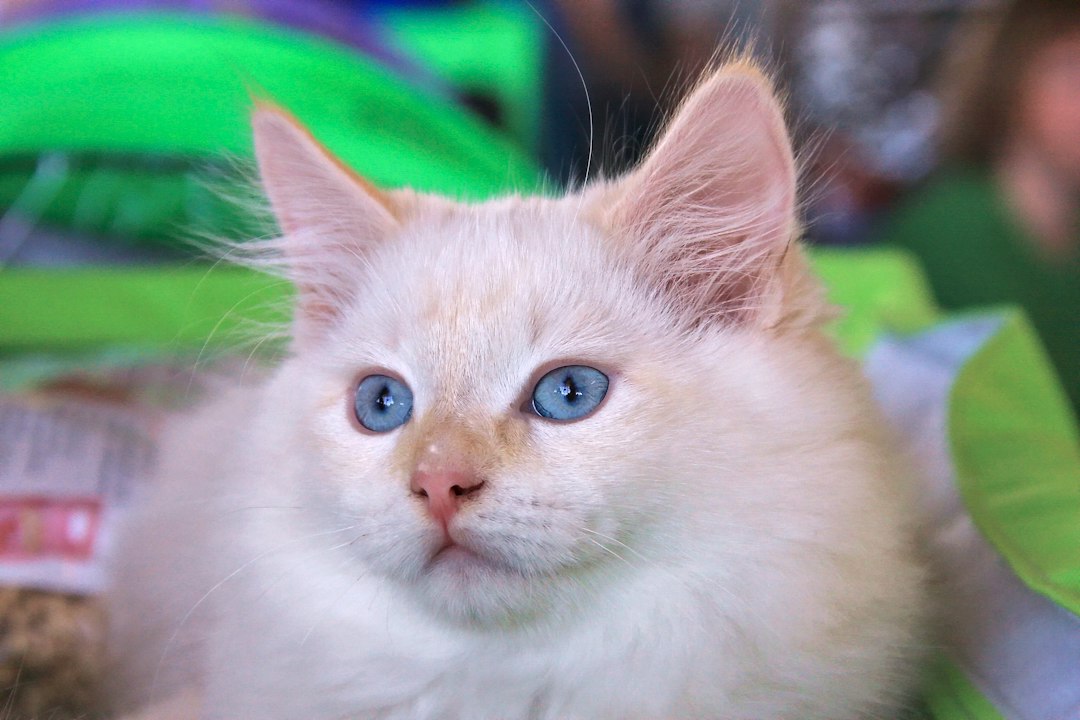
A Flame Point Ragdoll is not a separate breed, it is a color variation, but it is one of the more misunderstood ones. This guide covers the genetics behind that warm orange coloring, why most flame points are male, how to tell a true flame point apart from a cream point, what to actually expect from a flame point kitten as it grows, and what a fair price looks like if you are searching for one.
Published September 2026.
What a Flame Point Ragdoll Actually Is
Flame Point, also called Red Point, is one of the recognized point colors within the Ragdoll breed standard, alongside seal, chocolate, blue, lilac, and cream. A flame point Ragdoll has a pale cream to ivory body with warm orange to red points on the ears, face, tail, and paws. It is not a different breed, a mix, or a designer variation, it is simply the red version of the same colorpoint pattern every Ragdoll carries.
The Cat Fanciers’ Association and The International Cat Association both recognize flame point as an official Ragdoll color, and it appears across all three coat patterns, colorpoint, mitted, and bicolor, as well as in lynx (tabby-striped) and tortie variations.
The Genetics Behind the Orange Color
This is genuinely different from how other Ragdoll colors work, which is why flame point deserves its own explanation rather than being grouped in with seal or blue. Most Ragdoll colors, seal, chocolate, blue, and lilac, come from variations on the same eumelanin (black-based) pigment pathway. Red works entirely differently. It comes from pheomelanin, a separate pigment produced through what is commonly called the orange gene, carried on the X chromosome.
Because this gene sits on the X chromosome, its inheritance pattern is sex-linked, the same mechanism responsible for orange tabby cats being disproportionately male in the general cat population. This is not a myth or a breeder claim, it is basic feline genetics.
Why Most Flame Point Ragdolls Are Male
Male cats have one X chromosome and one Y chromosome, so a single copy of the orange gene is enough to produce a fully red male. Female cats have two X chromosomes, which means a female needs two copies of the orange gene, one from each parent, to be a solid flame point. A female with only one copy typically becomes a tortie, showing a patchwork of red and another color rather than solid red.
This is exactly why solid flame point females exist but are noticeably less common than flame point males, and why a breeder specializing in flame points will often have more male kittens available in that color than female ones in any given litter.
Flame Point vs Cream Point: How to Tell Them Apart
This is a genuinely common point of confusion, and getting it right matters if you are paying a premium for a specific color. Cream point is the diluted version of red, the same relationship blue has to seal and lilac has to chocolate. A flame point has rich, saturated orange to red points. A cream point has soft, pale, almost apricot-toned points with much less contrast against the body.
Side by side, the difference is usually obvious, but a single photo, especially in warm indoor lighting, can make a cream point look more orange than it really is. If a breeder’s listing photo makes the color ambiguous, ask directly which color is on the kitten’s TICA or CFA paperwork rather than going by the photo alone.
All Red Fur Has Tabby Striping, Even When It Looks Solid
This is a genuine oddity of cat genetics worth knowing. Every red or orange cat, in every breed, technically carries tabby striping in their red fur, because the underlying agouti gene responsible for tabby patterning cannot be fully masked in red the way it can in black-based colors. What differs is contrast.
A flame point lynx Ragdoll shows this striping clearly and visibly. A flame point described as solid simply has low enough contrast between the stripes and the background that the pattern is hard to see at a glance, not because the stripes are genuinely absent. If you look closely at a solid flame point’s points in good lighting, faint striping is often still visible.
How Flame Point Kittens Develop Their Color
Like every Ragdoll, flame point kittens are born nearly white, since the colorpoint gene is heat-sensitive and only activates in the cooler areas of the body, the ears, face, tail, and paws. Color develops gradually over the following weeks and months rather than appearing all at once.
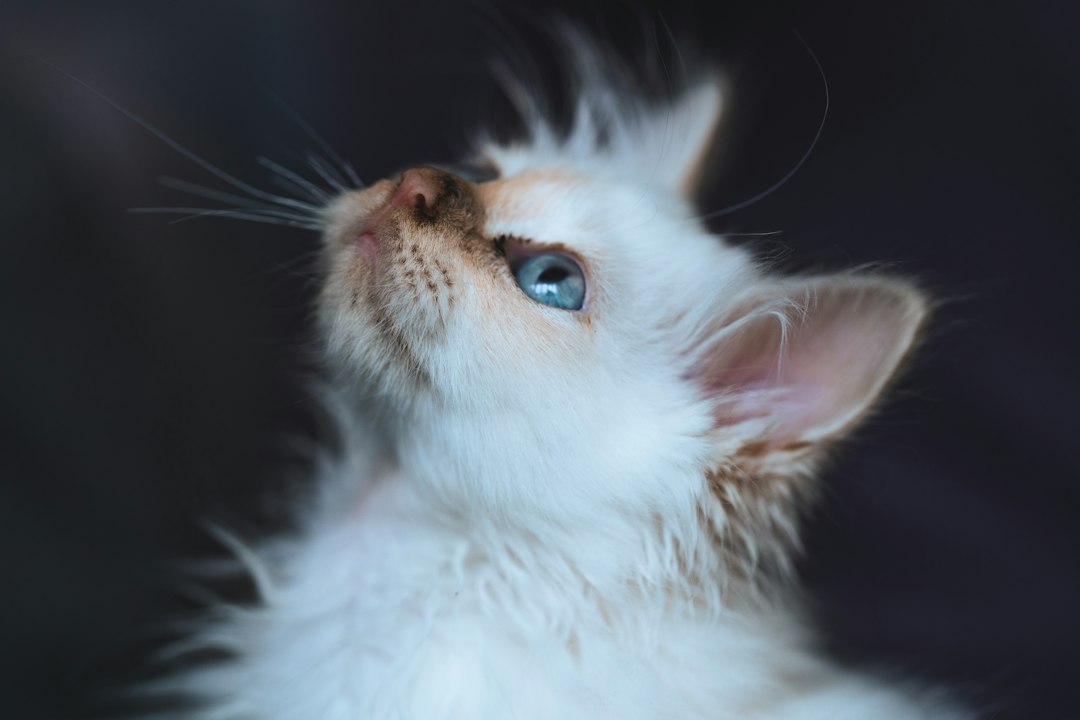
Flame points are often slower to reach full color intensity than darker colors like seal, with the richest, deepest orange sometimes not fully settling in until the cat is two to three years old. A pale, barely-there point color at eight weeks is completely normal and not a sign the kitten was misidentified.
Does Flame Point Coloring Affect Health or Personality
No, on both counts. Coat color genes and health-related genes are inherited independently, so a flame point Ragdoll carries the same general health profile as any other color of Ragdoll, including the same considerations around polycystic kidney disease and hypertrophic cardiomyopathy screening that apply to the breed as a whole, not anything specific to being a flame point.
Personality is largely anecdotal when tied to coat color. Owners of flame points often describe them as outgoing and confident, but there is no scientific evidence that color genes influence temperament in cats. A kitten’s individual personality and its parents’ temperaments are far more reliable predictors than its coat color.
How Rare Are Flame Point Ragdolls, and What Do They Cost
Flame point sits toward the rarer end of the Ragdoll color spectrum, behind seal and blue, in a similar tier to chocolate and lilac, because fewer established Ragdoll breeding lines carry the red gene compared to the original seal and blue lineage. That relative scarcity, combined with steady demand for the striking orange coloring, typically puts flame point kittens at a modest price premium over seal or blue littermates.
Pricing varies significantly by breeder, location, and pedigree, but as a general reference point, purebred Ragdoll kittens from health-tested breeders commonly range from around 1,200 to 2,500 dollars, with flame point and other rarer colors often sitting at the higher end of that range or above it. Getting a specific quote from a breeder is the only reliable way to budget, since regional demand shifts this considerably.
Finding a Reputable Flame Point Ragdoll Breeder
Because flame point is a sought-after, higher-priced color, it unfortunately attracts more misrepresentation than common colors do. A practical checklist before committing to a kitten:
- Ask to see the kitten’s TICA or CFA registration paperwork confirming the color as red point or flame point specifically, not a vague listing description like orange or ginger.
- Ask for PKD and HCM genetic test results on both parents, the same standard health screening that applies to every Ragdoll color.
- Ask to see photos or a video call with both parent cats, not just the kitten, to confirm the color genetics are consistent with what is being claimed.
- Be cautious of a below-market price paired with vague answers about registration or health testing, that combination is the most common red flag regardless of coat color.
If you would rather adopt than buy from a breeder, breed-specific rescues occasionally place flame point Ragdolls or Ragdoll mixes, though the color is less predictable to find through rescue than through a breeder specializing in it.
Caring for a Flame Point Ragdoll Kitten
Day-to-day care for a flame point Ragdoll is identical to any other Ragdoll color, since coat color has no bearing on care needs. A brief overview for new owners:
- Brush two to three times weekly, since Ragdolls lack a dense undercoat and mat less than some other longhaired breeds, but still shed and benefit from regular brushing.
- Schedule an initial vet visit within the first week home to establish a baseline and discuss a vaccination and parasite prevention schedule.
- Ask your vet about the timing for PKD and HCM screening if it was not already done by the breeder.
- Give your kitten time to settle in gradually rather than free-roaming the whole home immediately, the same advice that applies across Ragdoll colors and other Ragdoll-adjacent breeds.
For a full breakdown of Ragdoll eye genetics, which follows a related but separate inheritance pattern from coat color, our Ragdoll Eye Color Chart covers that topic in depth.
People Also Ask: Flame Point Ragdoll Kittens FAQ
1. Are flame point Ragdolls rare
Yes, relatively. Flame point sits toward the rarer end of Ragdoll colors, less common than seal or blue, in a similar tier to chocolate and lilac, because fewer established Ragdoll breeding lines carry the red gene.
2. What is the difference between flame point and red point Ragdoll
There is no difference. Flame point and red point are two names for the exact same color, used somewhat interchangeably depending on the breeder or registry style.
3. Can female Ragdolls be flame point
Yes, but it requires the female to inherit two copies of the orange gene, one from each parent, since the gene is carried on the X chromosome. A female with only one copy typically becomes a tortie rather than a solid flame point, which is why solid flame point females are less common than males.
4. Why are most flame point Ragdolls male
The orange gene responsible for red coloring sits on the X chromosome. Male cats only need one copy to display full red coloring, while females need two, making solid red noticeably more common in males across all cat breeds, not just Ragdolls.
5. Do flame point Ragdolls have blue eyes
Yes. Blue eyes are a breed standard requirement for all Ragdolls regardless of coat color, including flame point. A Ragdoll-type cat without blue eyes is not considered a purebred Ragdoll under CFA or TICA standards.
6. How much do flame point Ragdoll kittens cost
Purebred Ragdoll kittens generally range from around 1,200 to 2,500 dollars from health-tested breeders, with flame point and other rarer colors often priced at or above the higher end of that range due to relative scarcity. Getting a direct quote from a breeder is the most reliable way to budget, since pricing varies by region and pedigree.
7. When do Ragdoll kittens get their full color
Ragdoll kittens are born nearly white and develop color gradually over the following weeks, since the colorpoint gene only activates in cooler areas of the body. Flame points tend to develop more slowly than darker colors, with full color intensity sometimes not settling in completely until two to three years of age.
Sources and Further Reading
This guide is based on published breed registry standards and established feline coat color genetics rather than anecdotal breeder claims. For deeper reading:
- The Cat Fanciers’ Association – Ragdoll Breed Standard and Colors
- The International Cat Association (TICA) – Ragdoll Breed Standard
- UC Davis Veterinary Genetics Laboratory – Ragdoll Genetics and Testing
This article is for general informational purposes. This guide will be reviewed and updated periodically as breed information evolves.
Final Thoughts
A flame point Ragdoll is, at its core, the same affectionate, easygoing breed everyone falls for, dressed in a rarer, warmer color. The genetics behind that color are more interesting than most owners realize, and knowing them helps you shop smarter, ask the right questions, and set realistic expectations for how your kitten’s color will actually develop over its first few years. The color is the eye-catching part. The temperament underneath it is the reason people keep coming back to this breed.
Do you have a flame point Ragdoll at home. Share how their color developed over their first year in the comments, it is genuinely useful for owners waiting on their own kitten’s color to settle in.