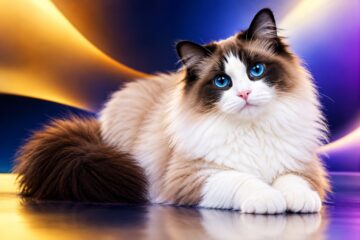
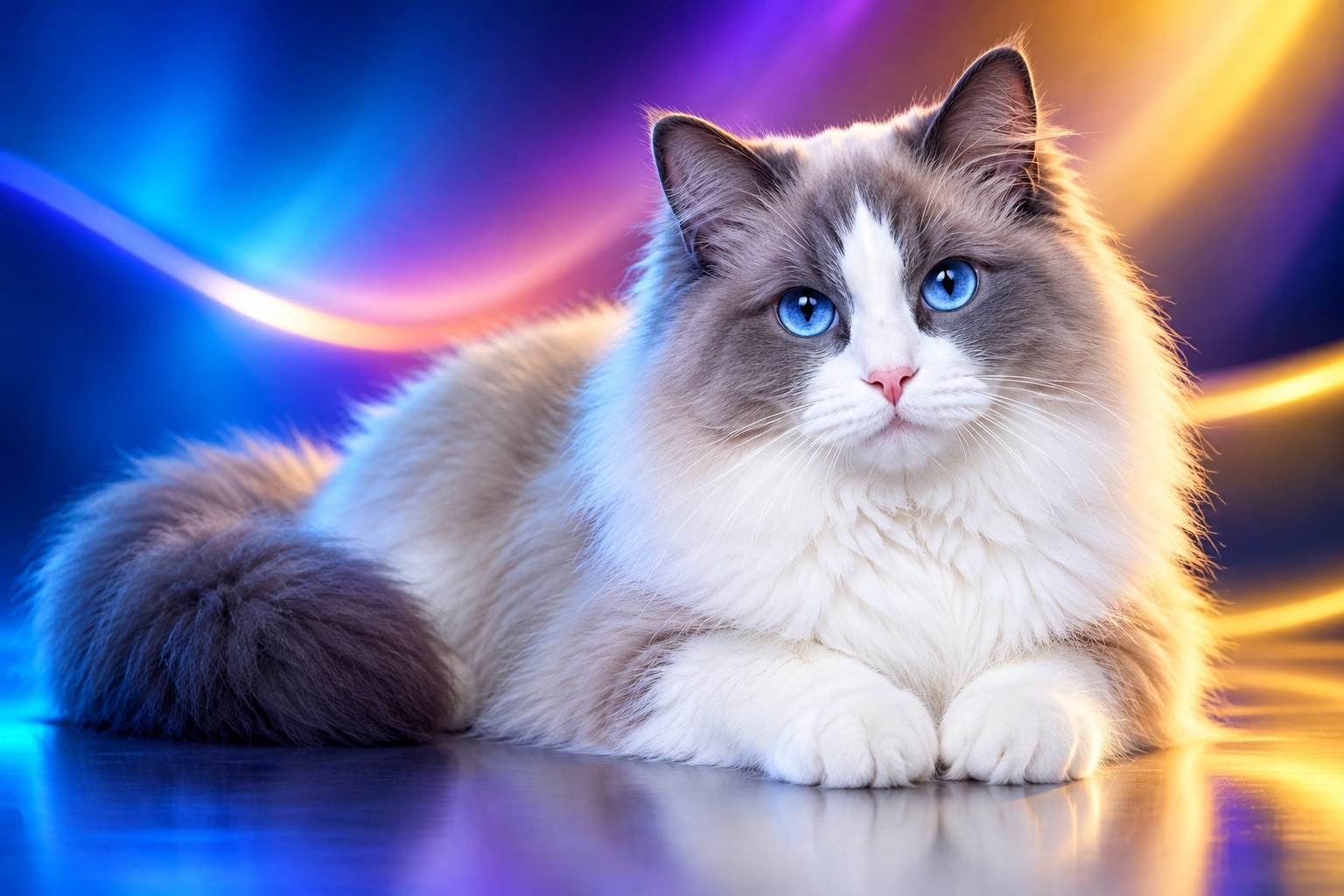
Many cat lovers face the dilemma of choosing a pet that’s not only beautiful but also friendly and easy to care for. The blue bicolor Ragdoll cat is one of the most sought-after variations of the Ragdoll breed. With its striking blue-gray and white fur and gentle demeanor, it often seems like the perfect solution. However, potential owners might worry about their unique needs and the effort required for proper care.
Fortunately, understanding their history, physical characteristics, and care requirements can make owning a Blue Bicolor Ragdoll a joy. This guide will provide all the essential information to ensure you and your feline friend thrive together.
Last updated: October 19, 2026. This guide has been reviewed for coat-pattern accuracy, practical care advice, and responsible breeder questions.
Breed Overview
| Blue Bicolor Ragdoll | Description |
|---|---|
| Height | 9-11 inches |
| Weight | 10-20 pounds |
| Length | 17-21 inches |
| Colors | Blue (blueish-white to platinum) |
| Patterns | Bicolor (white face, legs, underside; colored ears, back) |
| Personality | Docile, affectionate, gentle, loyal |
| Suitable For | Families, singles, homes with other pets |
| Lifespan | 12-15 years |
| Cost | $1,000 – $2,500 |
History of the Blue Bicolor Ragdoll Cat
The Ragdoll breed was developed in the 1960s by Ann Baker, a breeder from Riverside, California. Baker used a longhaired white cat named Josephine, whose kittens exhibited an unusually docile and affectionate temperament. These kittens became the foundation of the Ragdoll breed, which is known for its large size, plush coats, and striking blue eyes.
The Blue Bicolor Ragdoll is one of several color patterns recognized within the breed. The “blue” refers to the cat’s colouration, ranging from a light greyish-blue to a deeper, more slate-like hue. The “bicolor” pattern is characterized by a distinct division of color on the cat’s face, chest, legs, and tail, often forming an inverted V shape on the forehead.
Physical Characteristics
Let’s talk about the physical characteristics of the Blue Bicolor Ragdoll cat.
These cats are known for their stunning coat color variations and mesmerizing eye color characteristics.
Understanding these distinct features adds to the charm and allure of the Ragdoll breed.
Coat Color Variations
Coat color variations in Blue Bicolor Ragdoll cats exhibit a striking combination of white and blue fur patterns. Ragdoll cat breeders leverage genetics to create these unique coats, carefully selecting breeding pairs to achieve desired color outcomes.
At Ragdoll cat shows and competitions, judges assess the perfection of these color patterns, valuing the clarity of the white and the intensity of the blue hues.
The distinct contrast between the white and blue fur not only adds to the beauty of the Blue Bicolor Ragdoll but also showcases the meticulous breeding efforts that have gone into developing this specific coat color variation.
Eye Color Characteristics
The Blue Bicolor Ragdoll cats typically have striking blue eyes that enhance their overall enchanting appearance. Their eye color is a result of complex eye color genetics and inheritance patterns.
Ragdolls are born with blue eyes, which develop gradually over the first few weeks of life. These eye color changes are part of the normal development stages of Ragdoll kittens. It’s fascinating to observe how their eyes evolve from a bright blue hue to their final striking blue shade as they mature.
Understanding the inheritance and changes in eye color in Ragdoll cats can provide valuable insights into their genetics and breed characteristics.
Personality Traits
When considering the personality traits of the Blue Bicolor Ragdoll cat, one can expect a gentle and affectionate nature. These felines are renowned for their playful nature and affectionate demeanor towards their owners. Their social tendencies and gentle behavior make them wonderful companions for individuals and families alike.
Ragdolls are known to seek human interaction and enjoy being part of family activities. Their gentle demeanor means they can get along well with children and other pets. This breed isn’t only beautiful and known for its loving and sweet temperament, making it a delightful addition to any home.
Care and Grooming Tips
Taking good care of your Blue Bicolor Ragdoll cat involves regular grooming and attention to their specific needs. Regarding nutrition tips, providing a balanced diet tailored to their age and activity level is vital.
High-quality protein-rich food is essential for your cat’s health and overall well-being. Add wet and dry food to ensure they get essential nutrients. Remember to provide fresh water at all times and monitor their weight to prevent obesity or malnutrition. Regular vet check-ups are also important to catch any health issues early on. Lastly, make sure your Ragdoll receives proper grooming, including regular brushing and nail trimming to keep them looking their best.
Health Considerations
Regular veterinary check-ups are crucial for monitoring the health of your Blue Bicolor Ragdoll cat. When caring for your feline friend, consider the following important aspects:
- Dietary Needs: Make sure your cat’s diet is balanced and meets their nutritional requirements to prevent obesity and promote overall health.
- Common Illnesses: Stay informed about common health issues in Ragdoll cats such as heart disease and urinary tract problems, and seek prompt veterinary care if any symptoms arise.
- Exercise Requirements: Engage your Ragdoll cat in regular play sessions to keep them active and maintain a healthy weight, reducing the risk of obesity-related health concerns.
Additionally, a consistent grooming routine helps prevent matting and promotes a shiny coat.
Pros and Cons
Here is a quick overview of the pros and cons of owning a Blue Bicolor Ragdoll:
Pros:
- Affectionate and loyal
- Gentle and docile, great for families
- The beautiful and striking appearance
- Generally good with other pets
Cons:
- Prone to certain health issues
- Can be expensive to purchase and care for
- May require regular grooming
- Not suitable for homes with very small children or aggressive pets
Ragdoll Cat Fun Facts
Let’s talk about some fun facts about Ragdoll cats!
These felines are known for their striking characteristics, such as their large size and beautiful blue eyes.
Additionally, Ragdolls are famous for their gentle and affectionate personalities, making them great companions for families.
Ragdoll Cat Characteristics
With their striking blue bicolor coat and affectionate nature, Ragdoll cats are known for their unique characteristics that make them stand out among other breeds.
When it comes to Ragdoll cat temperament, they’re typically calm, gentle, and sociable.
Ragdoll cats often enjoy being around people and have a tendency to follow their owners from room to room.
These cats are also known for their tendency to go limp when picked up, hence their name ‘Ragdoll.’
This breed’s easy-going nature and loving demeanor make them great companions for families and individuals alike.
Ragdoll Cat Personality
Moving on from Ragdoll cat characteristics, delving into Ragdoll cat personality reveals fascinating fun facts about these charming felines. Ragdolls are known for their playful nature and cuddly demeanor, making them wonderful companions for families and individuals alike.
Their social behavior is another endearing trait; they often enjoy being around people and other pets, thriving on interaction and attention. Ragdolls also exhibit remarkable adaptability to new environments, quickly adjusting to changes in their surroundings with ease.
Whether snuggled up for a cozy nap or engaging in a lively play session, Ragdolls bring joy and warmth to any home with their affectionate personalities.
What Is a Blue Bicolor Ragdoll Cat?
A Blue Bicolor Ragdoll Cat is a Ragdoll with blue-gray point coloring and a bicolor pattern that places white across the face, chest, underside, and legs. “Blue” describes a diluted gray point color, not a bright blue coat. The cat’s eyes should be blue under the traditional Ragdoll breed standard.
The phrase Ragdoll Cat Blue Bicolor describes the same color-and-pattern combination. It is not a separate breed. Individual cats can vary in the depth of their gray points, the amount of white on the back, and the symmetry of the facial marking.
How to Identify Blue Bicolor Markings
The most recognizable feature is a white inverted V on the face, surrounding the pink nose and staying within the outer edges of the eyes. Blue-gray coloring usually appears on the ears and tail, and may shade the back. The chest, stomach, ruff, and legs are predominantly white. Breed-show standards describe the pattern in more detail, and acceptable markings can vary by registry.
Blue Bicolor vs Blue Mitted Ragdoll
A blue bicolor usually has a broad white facial V and more white across the legs and body. A blue mitted Ragdoll typically has colored facial points, white mittens on the front paws, white boots on the hind legs, a white chin, and a white belly stripe. Markings can be easier to judge once a kitten’s coat develops, so ask a knowledgeable breeder if you are unsure.
How the Blue-Gray Coat Changes as a Kitten Grows
Ragdoll kittens are born very pale, and their point color develops over the following weeks and months. The coat can continue changing as the cat matures, with full color development taking around three years. Cooler rooms do not guarantee a particular shade, and a kitten photo alone cannot reliably predict an adult coat.
Temperament and Whether This Cat Fits Your Home
Ragdolls are commonly described as affectionate, people-oriented, and relatively relaxed, but personality differs from cat to cat. Many enjoy interactive play and company. They are not guaranteed to tolerate being carried, and children should learn to support a cat gently and let it move away when it wants space.
Play, Enrichment, and Exercise
Offer daily play with wand toys, soft toys, climbing or scratching options, and food puzzles suited to your cat. Supervise string-like toys and put them away after play. Indoor cats also benefit from window perches, hiding places, predictable routines, and positive-reinforcement training.
Grooming, Feeding, and Everyday Care
Brush the semi-long coat several times a week, increasing the frequency if you notice tangles around the armpits, trousers, or ruff. Check nails, ears, and teeth routinely. Introduce grooming in short, calm sessions, and never cut a mat close to the skin with household scissors.
Feed a complete and balanced cat food appropriate for your cat’s life stage, keep fresh water available, and monitor body condition rather than relying on a generic weight target. Your veterinarian can help choose portions and discuss wet food, dental care, parasite prevention, and vaccination based on your cat’s needs.
Health Questions and Responsible Breeder Checks
Coat color does not tell you whether a cat is healthy. Ask the breeder for veterinary records, the parents’ health history, and documentation of screening relevant to Ragdolls, including testing for hypertrophic cardiomyopathy (HCM) where appropriate. A genetic test can help identify some known variants, but it does not rule out every possible cause of heart disease. Discuss the results with a veterinarian.
- Ask for the kitten’s age, vaccination and deworming records, and a written sale or adoption agreement.
- Ask what health screening has been done on the parents and request the actual documentation.
- Meet the kitten or use a reliable live video call, and check that its living environment is clean and social.
- Be cautious of pressure to pay immediately, refusal to share records, or claims that a particular coat color guarantees superior health or temperament.
- Compare adoption options as well as breeders, and budget for routine veterinary care and emergencies.
How Much Does a Blue Bicolor Ragdoll Cost?
There is no reliable single price for every blue bicolor Ragdoll. Cost depends on location, breeder practices, pedigree, age, registration, and whether the cat is offered as a companion or for breeding/show purposes. Ask what the quoted fee includes, compare several reputable sources in your region, and avoid choosing a kitten on color or price alone. Food, litter, grooming supplies, insurance where available, and veterinary care add to the lifetime cost.
FAQs (Because People Keep Asking)
Are Blue Bicolor Ragdoll Cats Rare?
They are a recognized combination of the blue point color and bicolor pattern. Rarity depends on the local breeding population, so claims that they are exceptionally rare should be supported by evidence rather than used as a sales tactic.
Do Blue Bicolor Ragdolls Have Blue Eyes?
Traditional Ragdolls are blue-eyed pointed cats. If eye color or other features differ, ask the breeder which registry and classification apply rather than assuming the cat meets every show standard.
Are Blue Bicolor Ragdolls Good Family Cats?
Many are sociable and gentle, but suitability depends on the individual cat and the household. Supervise young children, provide quiet resting areas, and introduce other pets gradually.
How Often Should I Brush a Blue Bicolor Ragdoll?
Several short brushing sessions each week work for many cats. Adjust the routine to coat condition and shedding, and seek veterinary or professional grooming help for tight mats.
Is Blue Bicolor a Separate Ragdoll Breed?
No. Blue refers to the point color, while bicolor refers to the white-marking pattern. Both describe appearance within the Ragdoll breed classification.
How Can I Tell if My Ragdoll Cat Is a Blue Bicolor?
We can identify a Ragdoll’s color and markings by looking at its coat. Eye color and size are also distinctive traits. Ragdolls come in various colors and patterns, making each cat unique.
Are There Specific Toys That Blue Bicolor Ragdolls Prefer?
Do cats enjoy interactive toys and puzzle feeders? Our blue bicolor ragdolls love feather wands and laser pointers. These toys keep them engaged and active, providing mental stimulation and exercise. They are purrfect for our playful felines!
Do Blue Bicolor Ragdolls Get Along Well With Other Pets?
When introducing new pets, we must be attentive to signs of territorial behavior. By gradually acclimating them in a controlled environment, we can facilitate positive interactions between our pets and ensure they get along well.
Can Blue Bicolor Ragdolls Be Trained to Do Tricks?
We’ve explored various training methods and success rates when teaching pets tricks. Different trick options exist, ranging in difficulty levels. It’s fascinating to witness our furry friends master new skills through patience and practice.
What Are Some Unique Ways to Bond With a Blue Bicolor Ragdoll?
Interactive playtime and grooming routines are essential for bonding with our pets. Outdoor adventures and other bonding activities can strengthen our relationship. These unique experiences help us create a strong connection with our furry friend.
Related Ragdoll Guides and Trusted References
Explore our Ragdoll Cat Colors and Patterns Guide, Blue Point Ragdoll Cat Guide, and Seal Point Ragdoll Cat Guide for related coat descriptions.
For authoritative breed-pattern details, consult the Cat Fanciers’ Association Ragdoll Standard and TICA Ragdoll Breed Profile. For heart-health background, read Cornell Feline Health Center’s guide to Feline Hypertrophic Cardiomyopathy. These references explain general breed and health information; a veterinarian should advise on an individual cat.
Editorial note: This article is intended for general education and does not replace veterinary advice. Confirm registration and health claims directly with the breeder, registry, or veterinarian.
Conclusion
As we gaze upon the stunning blue bicolor ragdoll cat, we’re reminded of the beauty and grace that these feline companions bring into our lives.
Their charming personalities and gentle nature make them truly special pets to have.
Let’s cherish and care for these magnificent creatures, who symbolize the love and joy they bring into our homes.