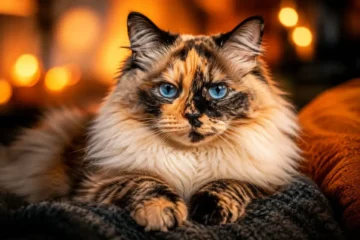
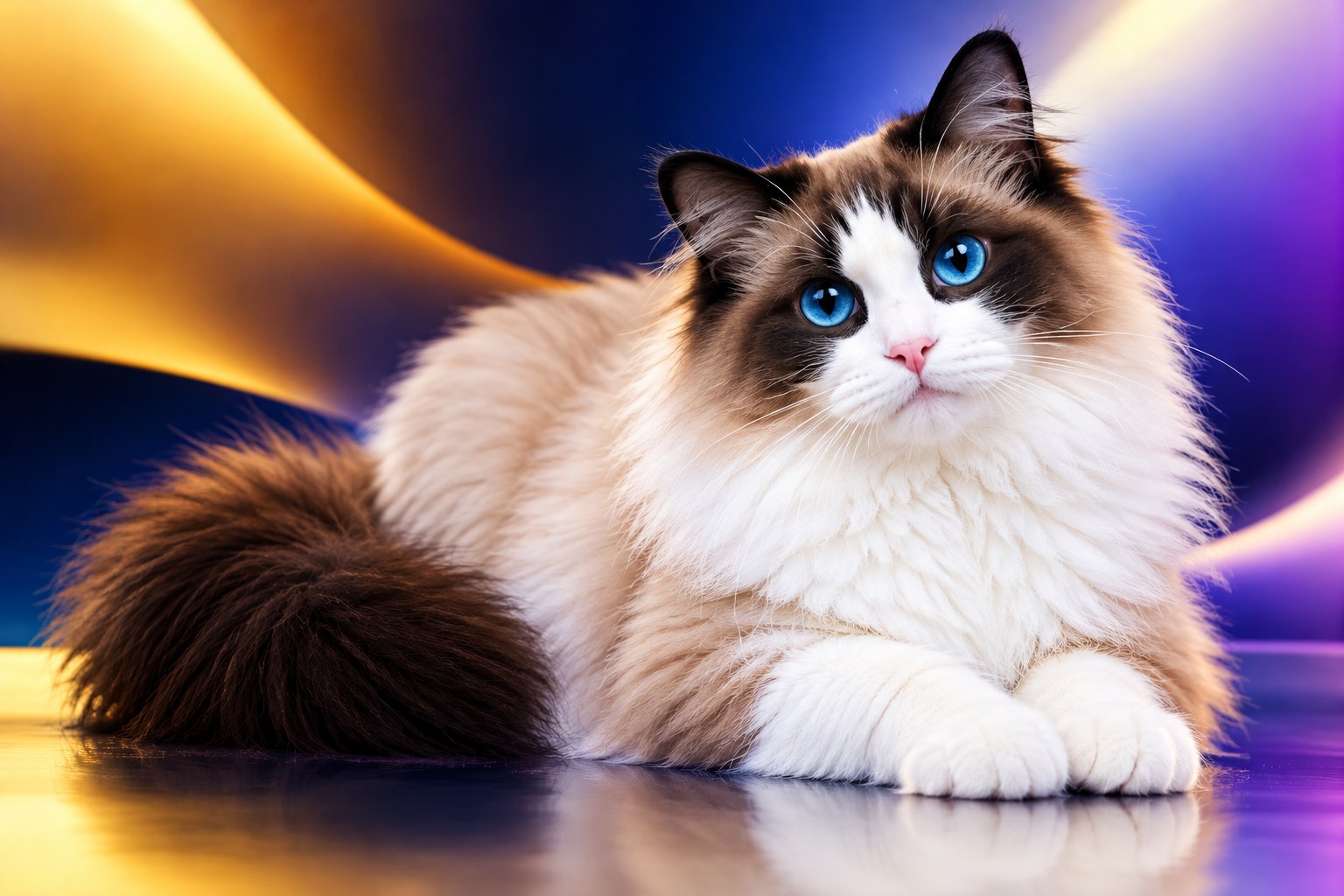
The Seal Bicolor Ragdoll cat is one of the most stunning and popular varieties of the Ragdoll breed. Known for their loving personality and beautiful appearance, these cats are perfect for families who want an affectionate companion. Their unique combination of seal (dark brown) and white coloring, combined with their soft, plush coat, makes them a true standout.
Last updated: October 19, 2026. This guide has been refreshed with clearer pattern descriptions, practical care advice, and responsible breeder questions.
What Does ‘Seal’ Mean?:
The word ‘seal’ in Seal Bicolor Ragdoll describes the dark, rich brown color that appears on certain parts of the cat; such as their ears, tail, and face. This color is called ‘seal’ because it looks similar to the dark fur of a seal.
What Does ‘Bicolor’ Mean?:
‘Bicolor’ means the cat has two colors. For Seal Bicolor Ragdolls, these two colors are the seal (dark brown) and white. This combination makes them look unique and very attractive.
Physical Appearance
Face: Seal Bicolor Ragdolls have a distinctive white upside-down ‘V’ shape on their face. The rest of their face has a dark seal color, which makes the white marking stand out.
Nose and Paws: The nose is usually pink, which is a nice contrast to the dark seal color on their face. Their paws are white, which looks like they are wearing little socks.
Ears and Tail: The ears are dark seal-colored, adding a beautiful contrast to the white parts of their body. The tail is also dark seal-colored, making it look like a fluffy brown brush.
Body: Most of their body is white, but they may have some light seal shading on their back. The combination of seal and white gives them a soft, elegant look.
Eyes: Seal Bicolor Ragdolls have large, bright blue eyes. Their blue eyes are one of their most attractive features and give them a sweet, gentle expression.
Seal Bicolor Ragdoll Personality
Seal Bicolor Ragdolls are known for being very affectionate and calm. They love to be around their owners and are often called “puppy-like” because they follow their people from room to room. They are gentle and love being cuddled, which is why they are called “Ragdolls”; they often go limp and relaxed when you pick them up. This makes them wonderful pets for families, singles, and even older adults looking for a calm companion.
Seal Bicolor vs Other Ragdoll Varieties
Seal Bicolor vs Seal Mitted: A seal bicolor typically has a white inverted V on the face, a white chest and underside, and substantial white on the legs. A seal mitted Ragdoll has white mittens on the front paws, white boots on the hind legs, a white chin, and a white belly stripe. Some mitted cats can also have a facial blaze, so assess the full pattern rather than relying on one marking alone.
Seal Bicolor vs Seal Point: Seal Point Ragdolls have dark seal color on their ears, faces, paws, and tails, without any white areas. Seal Bicolor Ragdolls have a mix of seal and white, which makes them stand out more.
How to Identify a Seal Bicolor Ragdoll
A Seal Bicolor Ragdoll combines deep seal-brown points with prominent white markings. The color name describes the brown shade, while “bicolor” describes the distribution of white. The phrase Ragdoll Cat Seal Bicolor and the longer term Seal Bicolor Ragdoll Cat refer to the same color-pattern combination, not a separate breed.
- Face: a white inverted V, ideally staying within the outer edges of the eyes.
- Points: deep seal-brown coloring on the ears and tail, with color on the mask and sometimes shading along the back.
- Body: generally lighter than the points, with a white chest, underside, and legs.
- Eyes: blue is a defining feature of the traditional Ragdoll standard.
- Nose: the bicolor pattern commonly has a pink nose leather.
Seal Bicolor vs Blue Bicolor Ragdoll
The white pattern can look similar in both cats. The main difference is the point color: seal bicolor cats have warm, deep brown points, while blue bicolor cats have cooler blue-gray points. Lighting and kitten age can affect how dark the coat appears, so compare several photos in natural light when possible.
Seal Bicolor Ragdoll Kitten: Color Development
Ragdoll kittens are born very pale, and their point color develops over the weeks and months after birth. Their coat can continue maturing for around three years. A young kitten may therefore have softer-looking brown points than an adult. The white pattern and the shade of the points are different features, and neither should be used by itself to judge a kitten’s health or pedigree.
Personality and Family Fit
Ragdolls are commonly described as affectionate, social, and relatively relaxed, although each cat has its own temperament. Many enjoy being near their people and playing with interactive toys. Do not assume every Ragdoll likes being carried or cuddled; let the cat choose contact, and teach children to handle it gently.
Exercise and Enrichment
Plan daily play, scratching posts, climbing opportunities, puzzle feeders, and quiet resting places. Keep string-like toys out of reach when play ends, and use positive reinforcement for training. Indoor enrichment helps support activity and can reduce boredom.
Grooming and Feeding a Seal Bicolor Ragdoll
Brush the semi-long coat several times a week, paying attention to areas that tangle easily, such as behind the legs, around the ruff, and under the armpits. Check nails, ears, and teeth regularly. Feed a complete and balanced cat food suitable for the cat’s life stage, provide fresh water, and ask your veterinarian to help set appropriate portions and a healthy body-condition target.
Health and Responsible Breeder Checklist
Seal coloring does not guarantee health, temperament, or pedigree. Before adopting or buying a kitten, ask for veterinary records, vaccination and deworming information, the parents’ health history, and documentation of relevant screening for hypertrophic cardiomyopathy (HCM). Genetic testing can identify some known variants but cannot rule out every cause of heart disease. Review results with a veterinarian.
- Ask to see health and veterinary records rather than relying on verbal assurances.
- Confirm the kitten’s age, identity, registration details if applicable, and written agreement.
- Look for clean living conditions and kittens that appear alert and comfortably socialized.
- Be wary of pressure to pay immediately, missing documentation, or claims that color guarantees health.
- Budget for food, litter, routine veterinary visits, preventive care, and unexpected illness.
How Much Does a Seal Bicolor Ragdoll Cost?
There is no single dependable price for every seal bicolor Ragdoll. Cost varies by country, breeder, pedigree, age, registration, and whether the cat is intended as a companion or for breeding or showing. Ask what is included in the fee and compare reputable local sources. Avoid choosing a kitten based only on its color or a low advertised price.
FAQs (Because People Keep Asking)
Is a Seal Bicolor Ragdoll a Separate Breed?
No. “Seal” describes the point color and “bicolor” describes the white-marking pattern within the Ragdoll breed.
Do Seal Bicolor Ragdolls Have Blue Eyes?
Traditional Ragdolls have blue eyes under the breed standard. If a cat has a different eye color, ask the breeder about its background and the registry classification rather than assuming it meets the traditional standard.
Are Seal Bicolor Ragdolls Rare?
Seal bicolor is a recognized color-and-pattern combination, not automatically a rare variety. Availability depends on the region and individual breeders. Treat claims of extreme rarity as marketing unless supported by reliable evidence.
How Often Should You Groom a Seal Bicolor Ragdoll?
Several short brushing sessions each week work for many Ragdolls. Adjust the routine to coat condition and shedding, and seek professional or veterinary advice for tight mats.
Are Seal Bicolor Ragdolls Good Family Pets?
Many are sociable and gentle, but the individual cat and household matter. Supervise interactions with young children, provide a quiet retreat, and introduce other pets gradually.
Related Guides and Trusted Sources
Read our Seal Point Ragdoll Cat Guide, Blue Bicolor Ragdoll Cat Guide, and Bicolor Ragdoll Colors and Patterns Guide.
For breed-standard details, consult the Cat Fanciers’ Association Ragdoll Standard and TICA Ragdoll Breed Profile. For health background, read Cornell Feline Health Center’s guide to Feline Hypertrophic Cardiomyopathy.
Editorial note: This article provides general educational information and is not a substitute for veterinary advice. Confirm breeder, registration, and health claims directly with the appropriate professionals.