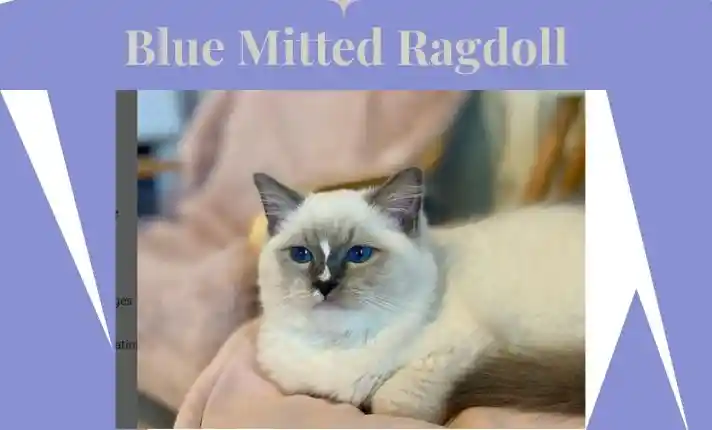
A blue mitted Ragdoll cat is a color and pattern variation within the Ragdoll breed, not a separate breed of its own. These cats carry a soft blue-gray coat on the face, ears, tail, and legs, paired with crisp white markings on the paws, chin, and belly, the “mitted” pattern the variety is named for.
Quick answer: the Blue Mitted Ragdoll is a calm, affectionate cat with a dilute blue-gray coat and white paw markings. It carries the same gentle, people-oriented temperament as every other Ragdoll color, the difference is purely in appearance, produced by two separate genes working together.
Updated September 2026. This guide covers the genetics behind the color, how to tell a genuine Blue Mitted apart from similar-looking variants, physical traits, temperament, care, health, and honest pricing.
Blue Mitted Ragdoll Cat: Breed Overview
| Feature | Description |
|---|---|
| Breed Type | Blue Mitted Ragdoll (Ragdoll color and pattern variety) |
| Origin | California, USA (1960s) |
| Size and Weight | Large; Males 12-20 lbs (5.5-9 kg); Females 8-15 lbs (3.6-6.8 kg) |
| Coat Color and Pattern | Blue-gray points with white mitts on paws, chin, and belly |
| Eye Color | Vivid blue |
| Personality | Affectionate, laid-back, people-oriented |
| Activity Level | Moderate to low |
| Grooming Needs | Moderate, 2 to 3 times weekly brushing |
| Health Considerations | HCM risk, low PKD risk, dental disease |
| Lifespan | 12 to 17 years |
| Recognition | Recognized by TICA and CFA |
| Ideal For | Families, singles, apartments |
History and Origin
The Ragdoll breed was developed by Ann Baker in Riverside, California, in the 1960s, built around a white longhaired cat named Josephine. Josephine’s early kittens, including ones historically named Fugianna, Daddy Warbucks, and Buckwheat, carried seal coloring in various patterns, since seal is the default, most common Ragdoll color. Blue did not appear until later, Baker’s first documented blue kitten, Thumper Jr., was born around 1969, once the recessive dilution gene had a chance to surface within the breeding lines.
The mitted pattern specifically took longer to gain full competitive recognition than other Ragdoll patterns, since establishing a consistent white-spotting standard took breeders additional years to stabilize. Today it is fully recognized and shown alongside every other pattern.
The Genetics Behind the Blue Mitted Color
This is worth explaining properly, since most articles on this color skip the actual mechanism. Two entirely separate genes are responsible for what you see when you look at a Blue Mitted Ragdoll, one controlling the color and one controlling the white pattern.
The color: a diluted version of seal. Seal, a rich dark brown to near-black point color, is the default Ragdoll color. Blue is what happens when a cat inherits two copies of a recessive dilution gene, which spreads out and softens the dark pigment into a cool gray with a subtle blue undertone. Because the dilution gene is recessive, both parents must carry at least one copy for a blue kitten to appear, a seal-colored parent can still carry a hidden copy and produce blue kittens without being blue itself.
The pattern: an independent white-spotting gene. The mitted pattern’s white paws, chin, and belly stripe come from a separate white-spotting gene operating at a low to moderate level, distinct from the higher-expression version responsible for the bicolor pattern’s larger white areas and inverted facial V. This is why a cat can be blue without being mitted, or mitted without being blue, the two traits are inherited independently.
For breeders or curious owners who want certainty rather than a visual guess, DNA tests through certified veterinary genetics labs can confirm both the dilution genotype and the white-spotting genotype directly.
How Blue Mitted Kittens Develop Their Color
Like every Ragdoll, Blue Mitted kittens are born almost entirely white. The colorpoint gene is heat-sensitive and only activates in the cooler areas of the body, so at birth, when a kitten’s temperature is uniform throughout, no point color has developed yet. Color begins appearing at around two weeks of age as the extremities cool relative to the body core, and it continues developing and deepening for a long time afterward, with full adult color depth typically not settling in until somewhere between 18 months and two years of age. A pale, barely-there blue tint at eight weeks is completely normal, not a sign the kitten was misidentified.
Blue Mitted vs Other Ragdolls
| Feature | Blue Mitted Ragdoll | Other Ragdolls |
|---|---|---|
| Point Color | Blue-gray (diluted seal) | Seal, chocolate, lilac, red, and more |
| White Markings | Paws, chin, and belly only | Absent in colorpoint, larger and different placement in bicolor |
| Facial Marking | No inverted V | Inverted V is unique to bicolor |
| Eye Color | Vivid blue | Vivid blue across all patterns |
| Rarity | Moderately rare, since blue requires two copies of a recessive gene | Seal is the most common base color |
| Recognition | TICA and CFA recognized | All standard patterns recognized |
Blue Mitted vs Blue Mink Mitted: A Genuine Point of Confusion
This mix-up comes up often enough to address directly. A Blue Mink Mitted cat looks extremely similar to a Blue Mitted Ragdoll at a glance, softer contrast, the same general coloring, similar aqua-toned eyes in some lighting, but the underlying genetics are different. Mink coloring comes from a distinct pigment gene rather than the standard colorpoint gene, and it falls under TICA’s newer Cherubim classification rather than the traditional Ragdoll color categories. Our guide on the Mink Ragdoll cat covers this distinction in full. If a listing describes a kitten as “mink” rather than a traditional Ragdoll color, it is worth understanding that separate classification before assuming it is the same thing as a standard Blue Mitted.
Physical Characteristics
Size and Build
Blue Mitted Ragdolls are large, muscular cats. Males typically weigh 12 to 20 pounds and are noticeably larger and more heavily built than females, which generally weigh 8 to 15 pounds. Like all Ragdolls, they mature slowly and may not reach full adult size until around four years of age.
Coat Texture
The coat is soft, silky, and medium-long, with a minimal undercoat unlike the dense double coat of a Persian. This means it resists matting better than many other longhaired breeds, though regular brushing still keeps it looking its best.
Eye Color
Large, oval, vivid blue eyes are a breed standard requirement for every Ragdoll color, including Blue Mitted. Eye color has no genetic connection to coat color, it is governed by the same colorpoint gene responsible for the point pattern itself.
Head and Face
Blue Mitted Ragdolls have a broad, rounded head with full cheeks and a flat profile. A white blaze on the face is common in the mitted pattern, though its exact size and shape varies from cat to cat.
Ears
Medium-sized ears, set wide apart with slightly rounded tips, give this breed an alert but gentle expression.
Tail
A long, full, well-proportioned tail is typical of the breed, often carried in a way that adds to the cat’s generally confident, easygoing presence.
Personality Traits and Temperament
Affectionate and Gentle
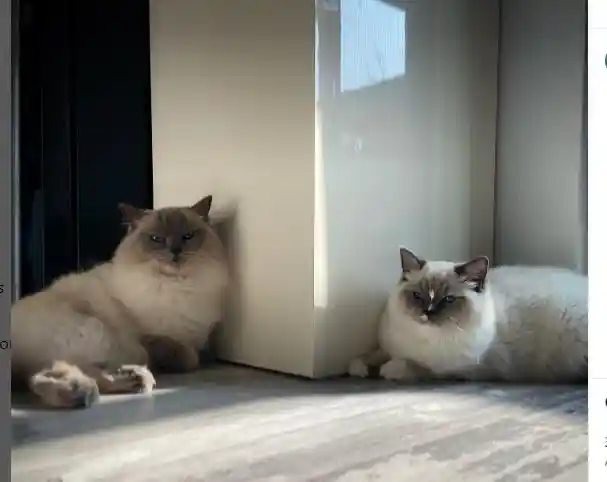
Blue Mitted Ragdolls are a highly affectionate, quiet, gentle color variety within an already gentle breed. They tend to seek out physical closeness with their owners and tolerate handling well, which is part of why the breed has earned the nickname “puppy cat” among longtime owners.
Laid-Back and Relaxed
Ragdolls are known for an unusually relaxed temperament, and this color variety carries the same trait. They are not high-energy cats, and many go limp when picked up, the behavior the breed is named for.
Social and Friendly
These cats generally get along well with people, other cats, and dogs, adapting to new environments and multi-pet households with relatively little stress compared to more territorial breeds.
Intelligent and Curious
Ragdolls are genuinely trainable, many learn their name, respond to routines, and can pick up simple tricks with consistent, positive reinforcement.
Loyal Companions
Owners frequently describe this breed as shadow-like, following a favorite person from room to room. This closeness is part of what makes them well suited to owners who spend significant time at home.
Adaptable to Different Lifestyles
Blue Mitted Ragdolls generally adjust well to both quiet apartments and busier households, as long as they continue to receive regular attention and companionship.
Care and Grooming Needs
Brush 2 to 3 times weekly with a stainless steel comb or soft slicker brush. Unlike Persians, Blue Mitted Ragdolls do not mat easily, but regular brushing still helps control shedding and reduce hairball frequency, covered in more depth in our guide on hairballs in Ragdoll cats. Bathe occasionally rather than routinely, trim nails every two weeks, and clean ears with a vet-recommended solution as needed.
Common Health Issues
Blue Mitted Ragdolls carry the same health profile as any other Ragdoll color, since coat color and health genetics are inherited independently. The main considerations are the same ones responsible breeders screen for across the entire breed:
- Hypertrophic cardiomyopathy (HCM): an identified genetic risk in the breed. Our complete HCM guide covers genetic testing, staging, and what to ask a breeder.
- Polycystic kidney disease (PKD): a much lower documented risk than commonly assumed, covered in our PKD guide.
- Dental disease: regular brushing and dental checks help manage this common, breed-neutral concern, detailed in our dental care guide.
- Obesity: manageable through portion control and regular play, particularly since this breed’s low activity level makes weight gain easier than in more active cats.
Diet and Nutrition
Feed a high-quality diet with real meat as the first ingredient. Wet food supports hydration, while dry food can help with dental health when paired with regular brushing. Avoid excessive fillers, and divide daily food into two to three portions with fresh water always available.
How to Verify a Genuine Blue Mitted Ragdoll
Because the color and pattern combination is specific, and because pricing rewards accurate identification, a few practical checks help confirm what you are actually looking at before buying:
- Confirm the paws, chin, and belly show clean white markings, with no white extending onto the face as an inverted V, which would indicate bicolor rather than mitted.
- Confirm the point color reads as a cool gray-blue rather than dark brown, which would indicate seal, or the point color should not carry a warm reddish-brown undertone, which could indicate chocolate.
- Ask whether the listing uses the word mink anywhere, which indicates a different underlying genetic classification, not a standard Blue Mitted.
- Ask for HCM genetic test results on both parents, the same standard health screening question that applies across every Ragdoll color.
- If certainty matters to you, a DNA test can confirm both the dilution and white-spotting genotypes directly rather than relying on appearance alone.
Cost Breakdown
The table below covers estimated ownership costs, including kitten price, vet bills, food, and grooming supplies.
| Expense | Estimated Range (USD) |
|---|---|
| Kitten Purchase | $1,200-$2,500+ |
| Initial Veterinary Care | $150-$300 |
| Yearly Vaccinations and Checkup | $100-$200 |
| Food per Month | $30-$60 |
| Litter and Supplies | $20-$40 |
| Grooming Tools and Visits | $30-$100 annually |
| Pet Insurance (optional) | $20-$40 per month |
Is the Blue Mitted Ragdoll Cat Rare
Moderately rare, though not the rarest Ragdoll variety. Because blue requires a cat to inherit two copies of a recessive dilution gene, and mitted requires a separate white-spotting gene on top of that, the combination appears less frequently than seal-based colors, which remain the most common across the breed overall. Regional breeding trends and demand also affect how easy a specific color is to find at any given time.
How Blue Mitted Ragdolls Became Popular
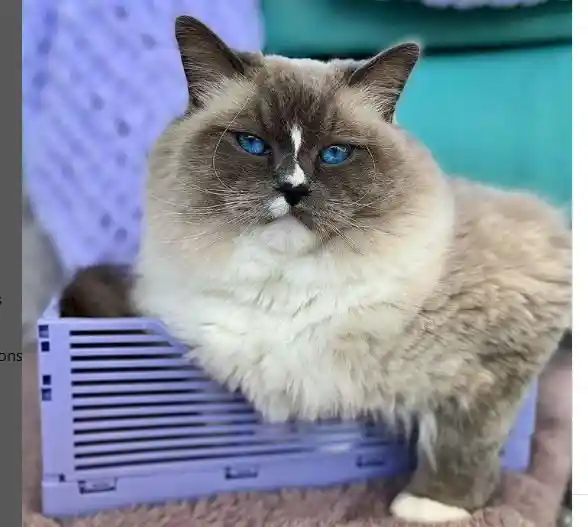
The cool blue-gray body paired with crisp white paws and a striking blue-eyed gaze gives this variety a distinctive, elegant look that stands out even among other Ragdoll colors. Combined with the breed’s famously gentle, affectionate temperament, the Blue Mitted has built a strong following among owners looking for both visual appeal and an easygoing companion, helped along by consistent visibility at cat shows and on social media.
Are Blue Mitted Ragdoll Cats Recognized by TICA and CFA
Yes. Both The International Cat Association (TICA) and The Cat Fanciers’ Association (CFA) recognize the mitted pattern as an accepted Ragdoll variation, and blue is one of the officially recognized point colors. Blue Mitted Ragdolls meeting breed standard criteria are eligible for registration, breeding programs, and competitive cat shows under both organizations.
Why Choose a Blue Mitted Ragdoll as a Pet
Blue Mitted Ragdoll cats tend to suit families with children, single owners, seniors, and multi-pet households alike, thanks to a gentle, tolerant temperament that adapts to different living situations.
- Manageable grooming needs: the coat is soft and silky but resists matting far better than a Persian’s, so a few brushing sessions weekly keeps it in good shape.
- Kid and pet-friendly: calm and tolerant, most do well with respectful children, dogs, and other cats.
- Comfortable in relaxed or moderately busy homes: the breed’s laid-back temperament adapts to a range of household energy levels.
If you are looking for an affectionate, loyal, easygoing cat with a genuinely distinctive look, the Blue Mitted Ragdoll is a strong match.
Related Topics and Search Terms Covered in This Guide
Secondary keywords: blue mitted Ragdoll cat, blue mitted Ragdoll kitten, blue Ragdoll cat, mitted Ragdoll pattern, Ragdoll cat colors, blue point Ragdoll.
Related topics: Ragdoll color genetics, dilute gene in cats, white spotting gene, mink Ragdoll cat, Ragdoll HCM screening, Ragdoll cat lifespan.
Related terms: colorpoint gene, recessive dilution gene, TICA Cherubim classification, feline coat color DNA test, blue point vs blue mitted, Ragdoll breeder health testing.
People also search: is blue mitted Ragdoll rare, blue mitted Ragdoll price, blue mitted vs blue bicolor Ragdoll, how to tell if a Ragdoll is genuinely blue mitted.
People also ask: What does mitted mean in Blue Mitted Ragdolls. Are Blue Mitted Ragdolls expensive. Are they easy to train. Can they live in apartments. Is a Blue Mitted Ragdoll the same as a Blue Mink Mitted. How rare is the blue mitted pattern.
Sources and Further Reading
- The International Cat Association (TICA) – Ragdoll Breed Standard
- The Cat Fanciers’ Association (CFA) – Ragdoll Breed Standard
- UC Davis Veterinary Genetics Laboratory – Ragdoll Coat Color and Health Testing
This article is for general informational purposes and is not a substitute for advice from a licensed veterinarian, particularly regarding HCM screening. This guide will be reviewed and updated periodically as new information becomes available.
Conclusion
The Blue Mitted Ragdoll is more than a striking color combination. With a soft blue-gray coat, crisp white gloves, and deep blue eyes, it pairs real visual distinction with the same loyal, affectionate, adaptable temperament every Ragdoll is known for. Before bringing one home, remember that Ragdolls thrive on companionship and can become unhappy if left alone for long stretches, so make sure your lifestyle allows for regular time together. Keep the coat brushed, feed a balanced diet, screen for HCM through a reputable breeder, and you will have a calm, devoted companion for well over a decade.
FAQs on Blue Mitted Ragdoll Cat
What does mitted mean in Blue Mitted Ragdolls
It means the cat has white markings on its front and back paws, along with the chin and belly, produced by a white-spotting gene that is separate from the gene controlling point color.
Are Blue Mitted Ragdolls expensive
Typically $1,200 to $2,500 from a reputable, health-tested breeder, with show-quality or especially sought-after pedigree lines sometimes priced higher. A price far below this range paired with vague health testing answers is worth treating cautiously.
Are they easy to train
Yes, generally. Ragdolls are intelligent and respond well to consistent routines, positive reinforcement, and repetition, and many learn their name and simple cues.
Can they live in apartments
Yes. Their laid-back, low-activity temperament suits smaller living spaces just as well as larger homes, provided they get regular attention and companionship.
Is a Blue Mitted Ragdoll the same as a Blue Mink Mitted
No. They look visually similar but come from different underlying genetics. Mink coloring falls under TICA’s separate Cherubim classification rather than the standard Ragdoll color categories, even though the visual pattern (mitted white markings) looks alike.
How rare is the blue mitted pattern
Moderately rare. Blue requires two copies of a recessive dilution gene, and mitted requires an additional separate white-spotting gene, making the specific combination less common than seal-based colors, which remain the most frequently seen across the breed.
Have a Blue Mitted Ragdoll at home. Share how their color developed over their first two years in the comments, it is genuinely useful for owners still waiting on their own kitten’s color to settle in.