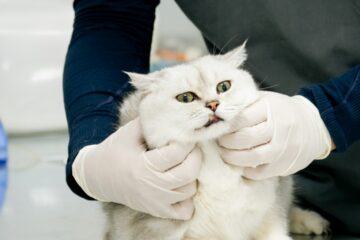
If you’ve found this page because your Ragdoll just threw up on the rug, take a breath first: almost all cats vomit occasionally, and a single, isolated episode in an otherwise normal, active cat usually isn’t an emergency. But vomiting is also one of the most common reasons cat owners end up in a veterinary waiting room, and knowing which is which, harmless hairball versus something that needs urgent care, is the whole point of this guide.
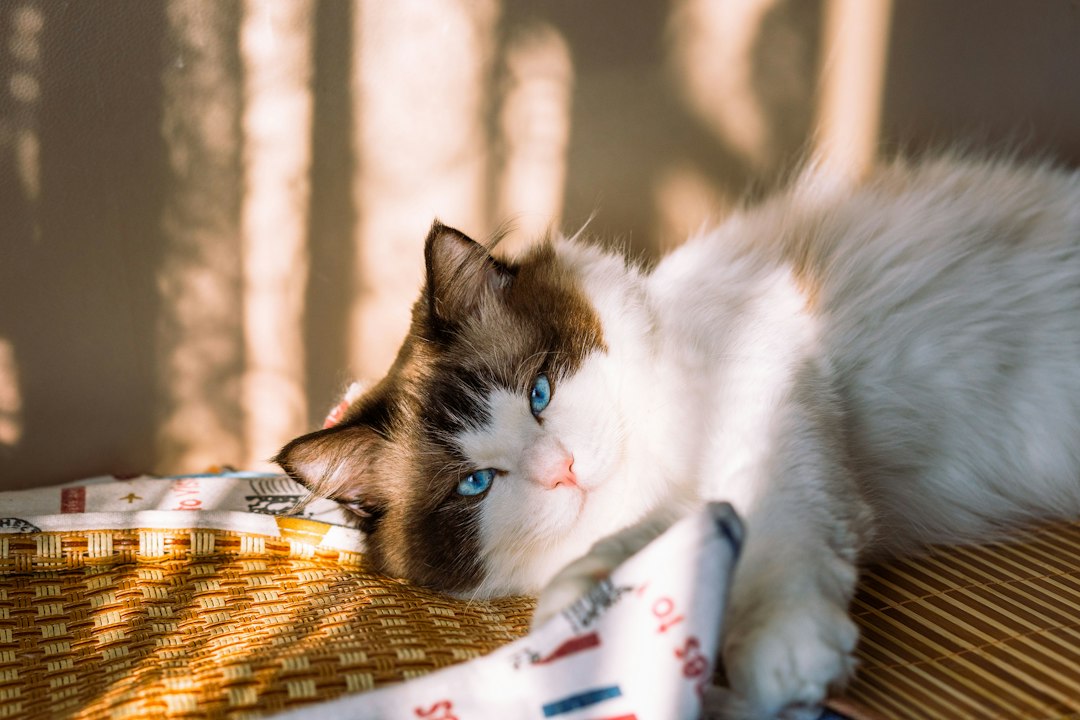
Published September 2026. This guide is written for general education and isn’t a substitute for an actual veterinary exam. If you’re ever unsure, the safest move is always to call your vet or an emergency animal hospital and describe exactly what you’re seeing.
This guide covers what’s actually going on when a Ragdoll vomits: the common, usually-harmless causes, the more serious ones that need veterinary attention, what the color and texture of the vomit can tell you, a warning-sign checklist for when to act now, and practical hairball prevention for a semi-long-haired breed like the Ragdoll.
Quick Answer: Is This Normal or Not?
Most routine vomiting in cats, Ragdolls included, comes down to a short list of ordinary causes: eating too fast, hairballs, a sudden food change, or an occasional upset stomach. A single vomiting episode in a cat who is otherwise eating, drinking, using the litter box normally, and acting like themselves usually isn’t cause for panic, though it’s still worth keeping an eye on.
What is not normal, in any cat, is frequent vomiting, vomiting that comes with lethargy or loss of appetite, blood in the vomit, or repeated episodes within a short window. As veterinarian Dr. Lori Teller told Texas A&M’s College of Veterinary Medicine, almost all cats vomit on occasion, but a range of real illnesses, including kidney disease, liver disease, gastrointestinal parasites, food sensitivities, inflammatory bowel disease, cancer, and hyperthyroidism, can all show up as vomiting too. The warning-sign checklist further down this page is the fastest way to sort “keep an eye on it” from “call the vet now.”
Vomiting vs. Regurgitation: Why the Difference Matters
Owners often use “vomiting” for two things that are actually different, and telling them apart helps you describe what’s happening more accurately to your vet.
Regurgitation is passive: undigested food comes back up, often in a tube-like shape, usually within minutes of eating, with little to no retching or abdominal effort beforehand. It’s frequently caused by eating too fast or too much at once.
True vomiting is active: it involves visible abdominal heaving, retching, and sometimes drooling or lip-licking beforehand, and it usually brings up partially digested food, bile, or foam rather than a tidy tube of intact kibble.
Texas A&M’s veterinary team notes that regurgitation from eating too quickly is typically nothing to worry about and is usually fixed with slow-feeder bowls or food puzzles, while true vomiting is more likely to point toward an underlying issue worth investigating. If you can, take a short video the next time it happens; it’s genuinely one of the most useful things you can show a vet.
Common, Usually Harmless Causes of Vomiting in Ragdolls
These are the causes behind the vast majority of one-off or occasional vomiting episodes.
Eating Too Fast
A cat that finishes a meal in under a minute is swallowing food (and air) faster than the stomach can comfortably handle. The food often comes back up largely undigested shortly after, which is regurgitation more than true vomiting. Slow-feeder bowls, food puzzles, or splitting one large meal into two or three smaller ones usually solves this.
Hairballs
Ragdolls have a semi-long, single-layer coat, and like any longhaired cat, they swallow loose fur every time they groom. Most of that fur passes through the digestive tract without issue, but some forms into a hairball that gets vomited back up, usually a cylindrical wad of hair, sometimes with a bit of foam or bile around it. Regular brushing (a few times a week) is the single most effective way to reduce how much fur your cat ingests in the first place, and there’s a dedicated section on this further down.
Sudden Diet or Food Changes
Switching foods abruptly, a new brand, a new protein, even a new bag of the same food, can upset a cat’s digestion for a few days. Transitioning over 7 to 10 days, mixing a little more of the new food into the old each day, gives the gut time to adjust and usually avoids this altogether.
Eating Grass or Something Unusual
Occasional grass-eating is common in cats and often triggers a single vomiting episode. It’s not fully understood why cats do this, but an isolated instance in an otherwise normal cat generally isn’t a concern.
More Serious Causes That Need Veterinary Attention
If vomiting is frequent, persistent, or paired with any of the warning signs below, one of these is a more likely explanation, and all of them require a vet to diagnose properly rather than guesswork at home.
- Food sensitivities or intolerances: Reactions to a specific protein or ingredient, sometimes alongside skin issues or loose stool.
- Intestinal parasites: Roundworms and other parasites can cause vomiting, sometimes with visible worms or diarrhea. A vet can confirm this with a simple stool test.
- Inflammatory bowel disease (IBD): A chronic condition causing ongoing GI inflammation, often with intermittent vomiting and weight loss over time.
- Kidney or liver disease: Both can cause nausea and vomiting, especially in middle-aged and senior cats, and are usually caught with routine bloodwork.
- Hyperthyroidism: An overactive thyroid, more common in older cats, frequently causes vomiting alongside weight loss and increased appetite.
- Pancreatitis: Inflammation of the pancreas, which can cause vomiting, lethargy, and abdominal pain, sometimes triggered by a rich or fatty meal.
- Foreign body obstruction: Cats, curious ones especially, sometimes swallow string, thread, rubber bands, or small toy parts. A blockage is a genuine emergency (more on this below).
- Toxin ingestion: Certain plants, human medications, and household chemicals can cause vomiting as an early symptom of poisoning. See the toxin section below, it’s more relevant to indoor cats than most owners realize.
None of this is a reason to assume the worst every time your cat vomits, most causes really are the harmless kind covered above. It’s simply the list a vet is working through when vomiting doesn’t fit the ordinary pattern.
The Lily Problem: A Toxin Risk Specific to Indoor Cats
This deserves its own callout because it’s genuinely dangerous and commonly overlooked. According to ASPCA Poison Control, true lilies (Asiatic, Easter, Stargazer, and Oriental lilies, plus daylilies) are severely toxic to cats specifically, every part of the plant, including the pollen and the water in the vase. Early signs include vomiting, lethargy, and loss of appetite, and without prompt treatment, lily ingestion can cause acute kidney failure and death, often within 18 hours if treatment is delayed.
If you keep cut flowers or houseplants and you’re not certain what’s in the bouquet or pot, it’s worth checking the ASPCA’s full toxic and non-toxic plant list for cats. If you know or suspect your Ragdoll has chewed on a lily or any other potentially toxic plant, don’t wait for symptoms, call the ASPCA Animal Poison Control Center at (888) 426-4435 or your vet immediately.
Warning Signs: When Vomiting Is an Emergency
This is the single most useful section on this page. Call your vet or an emergency animal hospital right away, don’t wait to see if it resolves, if your Ragdoll shows any of the following:
- Blood in the vomit — either bright red or looking like dark coffee grounds
- Three or more vomiting episodes within 24 hours
- Vomiting plus lethargy, weakness, or unusual quietness
- Refusing food or water for more than 24 hours, or unable to keep water down at all
- A swollen, bloated, or painful-feeling abdomen
- Straining in the litter box with no stool produced, which can indicate a blockage
- Known or suspected ingestion of a toxin, plant, string, or foreign object
- Pale or white gums, rapid breathing, or collapse
- Repeated retching with little or nothing coming up — this “non-productive” retching can be a sign of an obstruction and needs prompt evaluation even if your cat seems otherwise okay
Vomiting is also riskier in kittens, senior cats, and cats with an existing chronic condition like diabetes, since dehydration and complications set in faster in those groups. When in doubt, a phone call to your vet costs nothing and can rule out an emergency in minutes.
What the Color and Texture of Vomit Can Tell You
This isn’t a diagnostic tool on its own, but it’s genuinely useful information to have ready when you call your vet.
| What You See | Likely Meaning |
|---|---|
| Cylindrical wad of hair, sometimes with foam | Hairball — usually routine |
| Undigested food, tube-shaped, soon after eating | Likely regurgitation from eating too fast |
| White or clear foam | Often an empty stomach continuing to try to vomit |
| Yellow or green liquid (bile) | Vomiting on an empty stomach; if repeated, may point to a bile duct or liver issue |
| Bright red blood | Active bleeding — emergency, call your vet now |
| Dark, coffee-ground-like material | Digested blood — equally serious, emergency |
| Visible worms | Likely intestinal parasites — vet visit for a stool test |
If you can, note the timing (how long after eating), frequency, and whether your cat’s behavior has changed at all. That handful of details often tells a vet more than the vomit itself. If you’re heading to the vet, a photo of the vomit (or a small sample in a sealed bag or container, kept cool) is genuinely useful and often faster than trying to describe color and texture from memory.
What to Do at Home for a Single, Mild Episode
If your Ragdoll has vomited once, is otherwise alert and acting normal, isn’t showing any of the warning signs above, here’s a reasonable, conservative approach many vets recommend for a single, mild episode:
- Withhold food for 4 to 6 hours (not water) to let the stomach settle. Don’t extend a fast beyond what your vet advises, especially in small or young cats, since cats can develop a serious liver condition (hepatic lipidosis) if they go too long without eating.
- Offer small amounts of water frequently rather than a full bowl at once, to avoid triggering another episode.
- Reintroduce food gradually with a small, bland portion of your cat’s regular diet (ask your vet about a short-term bland or GI-supportive diet if you have one on hand).
- Watch closely for the next 24 hours. If vomiting resumes, worsens, or any warning sign above appears, call your vet rather than continuing to wait it out.
- Don’t give human medication (including anti-nausea or anti-diarrheal drugs) without your vet’s explicit guidance. Several common over-the-counter medications are unsafe for cats.
This approach is for a single, isolated, mild episode only. It is not a substitute for veterinary care if your cat meets any of the warning signs covered above, or if vomiting continues past 24 hours.
Hairball Prevention for a Ragdoll’s Coat
Since hairballs are one of the most common ordinary triggers, a bit of proactive coat care goes a long way:
- Brush 2 to 4 times a week with a slicker brush or stainless steel comb. Ragdolls lack a dense undercoat, so their coat is genuinely easier to keep on top of than a Persian’s, but regular brushing still meaningfully reduces how much loose fur they swallow while self-grooming.
- Increase brushing during shedding season (typically spring and fall), when loose undercoat volume goes up even without a true undercoat.
- Consider a hairball-control food formulated with extra fiber to help move ingested hair through the digestive tract. Ask your vet whether it’s a good fit before switching, especially if your cat has any other dietary needs.
- A hairball remedy paste (available from most vets or pet stores) can help lubricate the digestive tract for cats prone to frequent hairballs. Use only as directed.
- Watch for a pattern. A hairball every few weeks isn’t unusual for a longhaired cat. Hairballs multiple times a week, or accompanied by weight loss or reduced appetite, warrant a vet visit; that pattern can occasionally point to an underlying motility issue rather than simple grooming volume.
If your cat’s coat needs more general grooming guidance, our care guides on the Pure White Ragdoll Cat and the Tuxedo Black and White Ragdoll Cat both cover brushing routines in more depth.
How Vets Diagnose the Cause of Chronic Vomiting
If vomiting is frequent or persistent, a vet visit typically starts with a physical exam and a detailed history (when it started, frequency, diet, any recent changes at home), then moves into diagnostics as needed:
- Bloodwork to check kidney and liver values, thyroid hormone levels, and overall organ function.
- Fecal testing to check for intestinal parasites.
- X-rays or ultrasound to look for a foreign body obstruction, organ abnormalities, or signs of pancreatitis.
- A diet trial using a novel-protein or hydrolyzed diet if a food sensitivity or IBD is suspected, typically run for several weeks.
- Endoscopy or biopsy in more complex or chronic cases, to directly examine or sample the GI tract.
The Cornell Feline Health Center is a good, vet-reviewed resource if you want to read further into any of these underlying conditions once your vet has a working diagnosis.
People Also Ask: Vomiting in Ragdoll Cats FAQ
1. Are Ragdolls more prone to vomiting than other cats?
There’s no strong veterinary evidence that Ragdolls as a breed vomit more than other cats. What is true is that, like any semi-longhaired breed, they’re prone to hairball-related vomiting if grooming and brushing routines aren’t kept up, simply because they ingest more loose fur than a shorthaired cat. Beyond hairballs, an individual Ragdoll’s vomiting frequency comes down to diet, health, and environment rather than the breed itself.
2. My Ragdoll vomits but is acting completely normal. Should I still worry?
A single episode in a cat that’s otherwise eating, drinking, and behaving normally usually isn’t an emergency, and the common causes above (hairballs, eating too fast, a diet change) are the most likely explanation. That said, if it becomes a repeated pattern, more than once or twice a month, it’s worth mentioning to your vet even if your cat seems fine between episodes, since some chronic conditions progress quietly before other symptoms appear.
3. How often is “too often” for a cat to vomit?
Most vets consider vomiting more than once a month, outside of an isolated hairball, worth a diagnostic conversation with your vet, and three or more episodes within 24 hours to be an emergency regardless of cause. There’s no universally “normal” frequency; the trend and pattern over time matter more than any single number.
4. Should I withhold food if my cat is vomiting?
For a single, mild episode in an adult cat, a short 4 to 6 hour food withhold (with water still available) is a commonly recommended first step. Don’t extend this longer without veterinary guidance, particularly in kittens, small cats, or cats with any existing health condition, since prolonged fasting carries its own risks in cats.
5. Can stress cause vomiting in cats?
Yes, stress and anxiety, from a house move, a new pet, boarding, or a disrupted routine, can trigger vomiting in some cats. Ragdolls in particular tend to be sensitive to changes in their environment. If vomiting reliably coincides with a specific stressor and resolves once things settle, that’s a reasonable explanation, though it’s still worth ruling out other causes if it persists.
6. What does it mean if my cat vomits yellow liquid?
Yellow liquid is usually bile, which typically shows up when a cat vomits on an empty stomach, often first thing in the morning or after an extended gap between meals. An occasional instance usually isn’t concerning and can sometimes be reduced by feeding a small meal before bed. Frequent bile vomiting is worth a vet visit to rule out a bile duct or liver issue.
7. Can food allergies cause vomiting in Ragdolls?
Yes. Food sensitivities are a real and fairly common cause of chronic or recurring vomiting in cats. They’re typically diagnosed through an elimination diet trial using a novel protein or hydrolyzed prescription food over several weeks, done under veterinary guidance rather than through owner guesswork or repeated food-switching.
8. Is it normal for kittens to vomit hairballs?
Hairball vomiting is uncommon in very young kittens, since serious self-grooming habits typically develop later. If a young kitten is vomiting frequently, it’s less likely to be hairball-related and more worth a prompt vet visit, since kittens dehydrate faster and have less reserve than adult cats.
9. What human foods or plants should I keep away from my Ragdoll to prevent vomiting or poisoning?
Lilies are the single biggest plant risk for cats and can cause fatal kidney failure even from small exposure. Beyond that, onions, garlic, chocolate, grapes and raisins, and xylitol (found in some sugar-free gum and peanut butter) are all toxic to cats. The full ASPCA toxic plant list for cats is worth bookmarking if you keep houseplants.
10. When should I take my Ragdoll to the emergency vet versus waiting for my regular vet?
Go to an emergency vet immediately for any of the warning signs listed above: blood in the vomit, three or more episodes in 24 hours, lethargy, an inability to keep water down, a painful or swollen abdomen, or known toxin exposure. For a single mild episode with no other symptoms, it’s reasonable to monitor for 24 hours and book a routine appointment with your regular vet if it continues.
Sources and Further Reading
This guide is based on published veterinary guidance rather than owner anecdotes. For deeper reading:
- Texas A&M College of Veterinary Medicine – When to Be Concerned About Feline Vomiting
- ASPCA – Which Lilies Are Toxic to Pets
- ASPCA – Toxic and Non-Toxic Plants for Cats
- Cornell Feline Health Center
This article is for general educational purposes and is not a substitute for an in-person veterinary examination. If your cat is showing any warning signs described above, contact your veterinarian or nearest emergency animal hospital immediately, or call ASPCA Animal Poison Control at (888) 426-4435 if poisoning is suspected. This guide will be reviewed and updated periodically as veterinary guidance evolves.
Final Thoughts
Vomiting is one of those symptoms that covers an enormous range, from a completely unremarkable hairball to a genuine emergency, and the difference usually isn’t in the vomit itself but in the pattern and the company it keeps: how often, how sudden, and what else is going on with your cat. Learning your own Ragdoll’s normal, their usual eating pace, coat condition, and everyday energy, makes it much easier to notice quickly when something’s actually off.
When in doubt, call your vet. It’s always the right call.
Have you dealt with recurring vomiting in your Ragdoll? What ended up being the cause? Share your experience in the comments; it often helps other owners recognize the same pattern sooner.