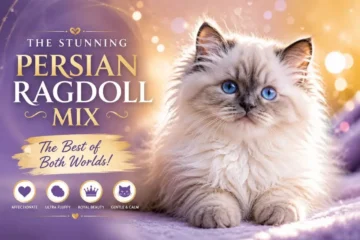
A Persian Ragdoll cat mix is a cross between a Persian and a Ragdoll, and its appearance and personality can vary depending on the traits it inherits from each parent. Some may have a dense, long coat or a rounder face, while others may look more like a Ragdoll. This guide explains coat and temperament possibilities, grooming, health screening, and how to choose a kitten responsibly.
They are easy to fall in love with because of their deep blue eyes and pleasant disposition, but their knack for going dead weight on your arm is a cute twist to their burrowing propensity. Whether comfortable staying in the sun or playing some dynamics, these cats always look chic but friendly, making them perfect for adoption.
In this article, you will learn more about the basic information of the Persian Ragdoll mix in terms of breed history, appearances, personalities, needs, health concerns, and the pleasures of having one.
The article was reviewed and updated on October 19, 2026.
Descent of the Persian Ragdoll Mix
The Persian Cat
The chosen Persian cat has an impressive history, which points out that it was bred about one thousand years ago in Persia (modern Iran). The elegant, quiet, and friendly Persians have long, silky fur and flat skulls and are one of the oldest breeds. These cats tend to be quiet-tempered and affectionate, which has made them widely accepted in most homes.
The Ragdoll Cat
Ann Baker bred ragdolls in California in the 1960s. They owe their name to the fact that when they are picked, they tend to get very relaxed and soft to the touch for the person holding them. This cat type is perfect for those who love cats and want a friendly companion to cuddle with.
Persian Ragdoll Cat Mix
Persian Ragdoll Cat Mix combines the long, silky fur and calm temperament of the Persian with the affectionate, relaxed nature of the Ragdoll, creating a gentle, friendly companion. The combination always leads to an attractive, level cat with a good temperament, although each cat can and most likely will be different. The combination of the two breeds results in an amazing furry cat that loves being around people and getting attention.
Physical Traits of Persian Ragdoll Mix Cat
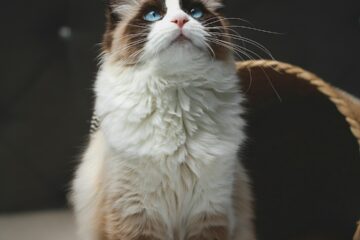
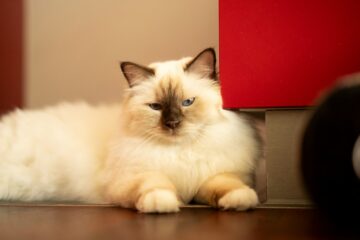
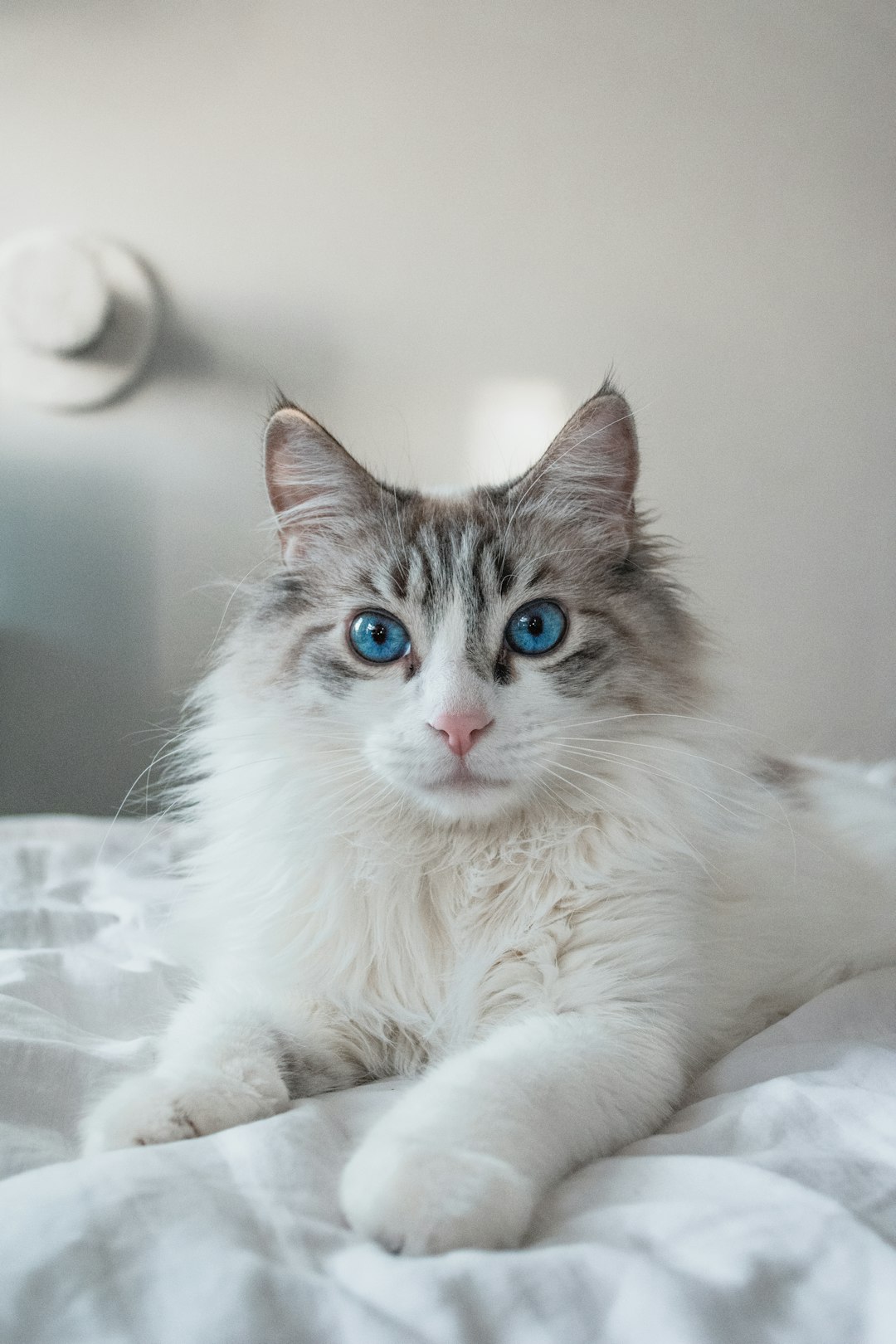
One of the most noticeable characteristics of the Persian Ragdoll mix is its coat. This breed may have soft, longish hair on the body and head, which is marginally longer on the rump region. The fur texture is often soft and shiny, making petting the cats wonderful.
They can be solid colors, tabbies, bi-colors, and many others in between. Colorpoint patterns, an excellent feature of Ragdolls, may also be contained in the mix to enhance elegance.
Persian Ragdoll hybrids are usually medium to large cats with symmetric muscle mass attributed to the Ragdoll and Persian genes. These breeds often have a round facial structure with a wide, flat forehead, large, gently rounded eyes, and a short snout similar to the Persian breed. They have strong and compact bodies, strong legs, and thick tails.
Another thing that makes this mix photographed alluring is its eyes. They usually carry over the beautiful blue eye color of the Ragdoll, which is such a bonus in the breed. Depending on which particular characteristics are passed down, the family members may possess gold or copper-colored eyes, common to Persians.
Their paws are mostly white although the face, tail, ears, and body’s coat color might change over the years.
Ragdoll Persian Mix’s Temperament
This breed is considered to be one of the best ones due to its jolly and loving nature. It loves to be around people and pampered, unlike Siamese ragdoll cats that are too clingy. They love playing with toys and perform activities like climbing, solving puzzles, and jumping.
The Persian and Ragdoll have friendly temperaments, and the resulting hybrid, the Persian Ragdoll, is the same. These cats are usually pleasant, affectionate, and outgoing pets and loyally attached to their owner. They depend on social contact and like to be part of the family.
The Ragdoll is a laid-back breed, but the Persian Ragdoll mixes have a playful disposition, too. They can play with toys and fancy playing with their owners. This, and their affectionate temperament, make them great partners for families with kids or other animals.
The mix mostly has a friendly disposition, so it can be taken to various environments where people live. It also enables them to live within different households in that they can either be from a busy family or a quiet one. They could easily be paired with other animals, particularly puppies, so long as the cats are trained on acceptable behaviors.
Is the Persian Ragdoll a recognized breed?
Official cat breed associations like TICA do not recognize the Persian Ragdoll mix as one separate breed. However, this one is bred by crossing Persian cats with Ragdolls. Both parent breeds are noble and known by anyone with at least an elementary knowledge of cats, but the mix as a breed has no official stand. However, those who love cats like these hybrids because they carry the best mixes of the two breeds.
Care Requirements for Persian Ragdoll Mix Cat
Grooming
Persian Ragdoll hybrids are large cats with silky long fur and should be groomed often. The cat should be brushed two to three times a week to control the amount of shedding. It may also occasionally need to be washed to keep the coat condition at its best. There are critical areas in grooming that should be instilled right from childhood to achieve the goal.
Nutrition
To prolong the life of a Persian Ragdoll kitten, it is advisable to feed them a balanced diet. Groomable, good-quality cat feed that caters to their nutritional requirements is essential when it comes to the cats’ coat condition.
Health Care
Annual physical examinations should be conducted for any cat and are especially important for mixed-breed cats who may possess inherited disorders from the two parent breeds.
Unfortunately, Persian cats may inherit or be born with some inherent defects, including Polycystic kidney disorder, or PKD, and breathing problems due to what is termed as brachycephaly.
Like any other cat breed, Ragdolls are not without their vices and are inclined to hypertrophic cardiomyopathy (HCM). Preventing and detecting these disorders early for a long and healthy life is vital.
It is also important to note that Persian Ragdoll mixes may be prone to specific diseases or health problems. Potential health concerns include:
Brachycephalic Airway Syndrome:
Some Persian mixes may suffer from breathing problems because of their flat faces.
Dental Issues:
Both breeds may have issues with their teeth and, therefore, require checks and cleaning.
Obesity:
However, their relaxed attitude may be an obstacle to weight loss or to maintaining a slim figure. Most of them require close attention to what they eat and need to ensure that they exercise.
Regular Veterinary Care
To keep your cat healthy, annual checkups for immunization, deworming, teeth brushing, and pro-regulatory examinations should be necessary.
Exercise
Although Persian Ragdoll Mix dogs and cats may have less energy than some other breeds, they require regular exercise to maintain good bodily health. Some toys can be related to play time to enable cats to engage in physical activities such as climbing structures and independent exploration. Other modifications, such as supplying them with scratching posts and toys, can also minimize behavior problems due to low activity.
Are Persian Ragdoll cats good with family?
Persian Ragdoll cats are generally good with families. Friendly, gentle companion animals are recommended for child’s play. They are friendly and relatively calm, which is perfect for a tense and fast-paced home. However, anywhere like that, the setting has more to do with handling the breed’s character, and basic obedience is essential; the cats should be introduced to as many people as possible at an early age.
Where can you buy a Persian Ragdoll kitten?
You can purchase a Persian Ragdoll kitten from reputable breeders, animal shelters, or rescue organizations.
Reputable Breeder:
See that the breeder is liable and knows what is best for its cats, as well as the cats’ health. Inquire about general health tests for known genetic disorders. Ask for documentation of immunizations, well physical, and any genetic testing done. Trial health concerns include:
Health Records:
Request documentation of vaccinations, health checkups, and any genetic screening results.
Socialization:
Closely examine the kittens or cats to determine their friendliness and temperance levels. They should be friendly and conform to the norms of a given society.
Living Conditions:
Take time to locate the breeding facility or shelter to confirm that the animals are well kept and maintained according to good hygiene standards.
Return Policy:
Ensure the breeder or the shelter has a policy regarding the cat you cannot keep.
Cost and Contracts:
Know the general cost and terms, if there are any, such as spaying or neutering a pet.
And owing these measures, one will have a healthier and well-adjusted companion.
Persian Ragdoll Cat Mix at a Glance
A Persian Ragdoll cat mix is a cross between a Persian and a Ragdoll. It is not a separately standardized pedigree breed, so appearance, coat type, eye color, size, activity level, and sociability can vary even among kittens from the same litter. Treat any size or lifespan estimate as a general guide, not a guarantee for an individual cat.
- Parent breeds: Persian and Ragdoll
- Coat: Often medium to long, but texture and density vary
- Color and pattern: May include solid, tabby, bicolor, or pointed patterns depending on inherited genes
- Temperament: May be affectionate and relaxed, more reserved, playful, or a combination
- Grooming: Regular combing, with frequency based on the actual coat and any tangles
- Best fit: A home ready for routine grooming, enrichment, and preventive veterinary care
What Will a Persian Ragdoll Mix Look Like?
The Persian Ragdoll mix cat may inherit a Persian’s rounder face and dense coat, a Ragdoll’s longer body and pointed coloring, or a blend that does not closely resemble either parent. A kitten’s appearance alone cannot confirm its ancestry.
Coat Colors, Patterns, and Eye Color
Possible coat colors and patterns depend on the genes passed down by both parents. Some mixes may have colorpoint markings, while others may be solid, bicolor, or patterned in a different way. Blue eyes are not guaranteed just because one parent is a Ragdoll. Eye color and coat pattern depend on inheritance, not on the name given to the mix.
Face Shape and Coat Type
Some kittens inherit a shorter nose or flatter face from a Persian parent. If the face is very flat, watch for noisy or labored breathing, persistent eye discharge, and difficulty eating. These signs deserve veterinary assessment rather than being dismissed as normal for the cat’s appearance.
Persian Ragdoll Mix Personality and Family Life
Both parent breeds can be affectionate, but a cross does not guarantee a particular personality. A kitten may seek company and play often, prefer a quieter routine, or need more time to feel comfortable with visitors. Meet the individual cat and ask the caregiver how it responds to handling, noise, play, and other animals.
Are Persian Ragdoll Mix Cats Good With Children and Other Pets?
They may do well in a family home when introductions are gradual and interactions are gentle. Teach children not to chase, squeeze, or force a cat to be held. Give the cat a quiet retreat, high resting places, and a separate route to food, water, and litter. Introduce dogs and other cats slowly, using barriers at first when needed, and supervise early interactions.
How to Groom a Persian Ragdoll Mix
Grooming needs depend on the coat the cat actually inherits. A dense, easily tangled coat may need daily combing, while a less dense coat may need less frequent sessions. Start gently and check behind the ears, under the front legs, around the collar area, and near the hindquarters where knots can form.
- Use a suitable metal comb and work in short, comfortable sessions.
- Never pull hard at a mat or cut close to the skin with scissors. Ask a veterinarian or qualified groomer to remove tight mats safely.
- Check the eyes, ears, nails, skin, and coat as part of a regular care routine.
- Brush gradually from kittenhood, rewarding calm behavior with praise or treats.
- Bathe only when needed and use products intended for cats.
Health Issues and Screening to Discuss With a Veterinarian
A mixed-breed cat is not automatically free of inherited conditions. Health risks depend on its family history, physical traits, and genetics. Persian ancestry makes it sensible to ask about polycystic kidney disease (PKD), while Ragdoll ancestry makes the family’s history of hypertrophic cardiomyopathy (HCM) worth discussing. Neither condition can be diagnosed from appearance alone.
Polycystic Kidney Disease and Persian Ancestry
PKD is an inherited condition associated with fluid-filled kidney cysts and is known in Persian cats and some cats with Persian ancestry. Ask the breeder for relevant parent screening records and discuss appropriate testing with your veterinarian. Learn more from the UC Davis Veterinary Genetics Laboratory Persian Cross Resource.
Heart Health and Ragdoll Ancestry
HCM is a disease of the heart muscle. Ask whether the Ragdoll parent has documented screening relevant to HCM and share the kitten’s family history with your veterinarian. A DNA result does not replace veterinary assessment, and not every form of HCM is ruled out by a single genetic test. The TICA Ragdoll Breed Profile discusses responsible breeding and HCM testing in Ragdolls.
Breathing, Eyes, Teeth, and Weight
If the cat has a very short muzzle, ask the veterinarian to assess breathing, eye comfort, and dental alignment. Keep an eye on body condition as well: a relaxed indoor cat still needs daily play and measured meals suited to its age and health. Arrange veterinary care promptly for breathing difficulty, reduced appetite, sudden lethargy, or other significant changes.
Feeding, Exercise, and Indoor Enrichment
Choose a complete and balanced cat food appropriate for the cat’s life stage, and ask your veterinarian about portions based on body condition and activity. Keep fresh water available, maintain a clean litter tray, and provide daily opportunities to chase toys, explore, scratch, climb safely, and solve simple food puzzles. Do not assume a calm temperament means the cat needs no exercise.
How to Choose a Persian Ragdoll Mix Kitten Responsibly
Before paying a deposit, ask for clear information about both parents, the kitten’s age, veterinary records, vaccination and parasite treatment history, and any relevant genetic screening. A responsible breeder should welcome reasonable questions and let you see where the kittens are raised, in person or through a live video call.
- Ask for the parent cats’ breed and health records, including relevant PKD and HCM information.
- Request the kitten’s veterinary examination and vaccination records.
- Observe whether the kitten is alert, breathing comfortably, and able to move normally.
- Ask what food the kitten currently eats and how it has been socialized.
- Get a written agreement covering the sale, health disclosures, return arrangements, and support after adoption.
- Avoid sellers who pressure you to pay immediately, refuse basic records, or promise a guaranteed personality, eye color, or adult appearance.
- Consider local shelters and rescue groups too. Mixed-breed cats can be wonderful companions without a pedigree certificate.
Persian Ragdoll Mix vs Other Ragdoll Mixes
If you are comparing crossbreeds, read our Persian Ragdoll Mix Kittens Guide for more kitten-focused information and our Maine Coon Mixed With Ragdoll Guide for a comparison with another popular Ragdoll cross. These mixes can differ in coat, size, grooming needs, and temperament, so assess each individual cat rather than relying on a label.
FAQs (Because People Keep Asking)
Is a Persian Ragdoll Cat Mix a Recognized Breed?
No. It describes a cross between a Persian and a Ragdoll, not a separate standardized breed recognized with its own breed standard by major cat registries.
Do Persian Ragdoll Mix Cats Have Blue Eyes?
Not always. Eye color depends on the genes inherited from both parents. A Ragdoll parent does not guarantee that every mixed kitten will have blue eyes.
Are Persian Ragdoll Mix Cats Hypoallergenic?
No cat can be guaranteed hypoallergenic. People with cat allergies may react to allergens from a cat’s skin, saliva, and other sources, not simply to the length of its fur.
How Often Should I Brush a Persian Ragdoll Mix?
Start with several gentle combing sessions each week and increase the frequency if the coat tangles easily. Some dense coats need daily attention. Let the condition of the coat, rather than a fixed rule, guide your routine.
What Health Tests Should I Ask About Before Adopting One?
Ask about the parents’ health history and relevant screening for PKD and HCM, plus the kitten’s veterinary examination and records. Your veterinarian can explain which additional tests are appropriate for that cat and its family history.
Can a Persian Ragdoll Mix Live in an Apartment?
Often, yes, provided the home offers safe resting spots, scratching surfaces, clean litter facilities, daily play, and enough attention. Individual activity levels and comfort with being alone vary.
Editorial Note and Trusted Sources
This guide is intended for general education, not as a diagnosis or a substitute for veterinary advice. Because mixed cats vary, use your cat’s individual history and a veterinarian’s assessment to make care decisions. We checked breed and health information against the TICA Ragdoll Breed Profile and the UC Davis Veterinary Genetics Laboratory Persian Cross Resource. The article was reviewed and updated on October 19, 2026.
Final Thoughts
A Persian Ragdoll cat mix may be a loving companion, but no single appearance or temperament is guaranteed. The best preparation is to understand both parent breeds, budget for regular coat care and veterinary visits, and choose adoption or a breeder based on the cat’s welfare and transparent health records.