A single loose stool is rarely a crisis, but a Ragdoll owner asking “why does my cat have diarrhea” is usually looking for two things at once: a real answer, and a clear sense of whether this needs a vet today or can be watched for a day or two. This guide covers both, along with a few things specific to how diarrhea shows up in a long-haired breed like the Ragdoll.
Published September 2026. This guide is for general education and is not a substitute for an in-person veterinary examination.
What Counts as Diarrhea, Not Just Soft Stool
Healthy cat stool is firm, holds its shape, and is typically a shade of brown. Some day-to-day variation is completely normal. Diarrhea specifically means stool that is loose, unformed, or liquid, often with increased frequency and urgency. A simple reference scale most vets use informally:
- Normal: firm, log-shaped, holds together when picked up
- Soft but formed: holds a rough shape but is noticeably softer than usual, often not a concern on its own
- Loose, unformed: does not hold a shape, puddles or spreads, this is true diarrhea
- Watery: liquid consistency, the most severe end of the spectrum and the fastest route to dehydration
One occasional soft stool in an otherwise normal, active cat is rarely a reason to worry. Consistently loose or watery stool, or any stool with blood or mucus, is different and deserves attention.
Why Ragdoll Owners Sometimes Notice Diarrhea Later Than Other Owners
This is a genuinely useful breed-specific point that generic cat diarrhea content misses entirely. According to VCA Animal Hospitals, in long-haired breeds diarrhea can show up first as staining or soiling of the fur around the back end, rather than as an obvious mess in the litter box, particularly in a cat that reliably covers its waste.
Because Ragdolls have longer fur in that area than a shorthaired cat, this is exactly the pattern many owners notice first. Checking your cat’s rear fur during regular brushing sessions is a practical way to catch early signs of loose stool before you would otherwise notice anything in the litter box.
Common, Everyday Causes
Most cases of diarrhea trace back to something relatively minor. The most frequent causes include:
- A recent food change, especially a sudden switch rather than a gradual transition. Cats have sensitive digestive systems, and even switching between flavors of the same brand can occasionally cause a few days of loose stool.
- Dietary indiscretion, the clinical way of saying your cat ate something it should not have, whether that is table scraps, spoiled food, or a houseplant.
- Stress, including a move, a new pet, houseguests, or another disruption to routine. Ragdolls tend to be sensitive to environmental change, which can show up as digestive upset as easily as it shows up as hiding or clinginess.
- Hairballs and excess ingested fur can occasionally cause loose stool alongside the more commonly known vomiting. If this is a recurring pattern, our guide on hairballs in Ragdoll cats covers prevention specific to this breed’s coat.
Toxins and Poisonous Plants
Diarrhea is a common early reaction when a cat ingests something toxic, sometimes appearing before more serious symptoms do. Common indoor and outdoor plants including lilies, tulips, poinsettias, and philodendron are toxic to cats, and lilies in particular can cause fatal kidney damage even from a small amount of pollen or leaf. Certain human medications are another frequent, and often overlooked, cause of feline poisoning.
If you suspect your cat has eaten something toxic, call your veterinarian or the ASPCA Animal Poison Control Center at 888-426-4435 immediately rather than waiting to see if symptoms develop.
Parasites and Infections
Intestinal parasites, including roundworms, hookworms, and protozoal parasites like giardia, are a common cause of diarrhea, particularly in kittens or cats without a consistent deworming history. Bacterial and viral infections can also cause acute diarrhea, sometimes alongside vomiting or reduced appetite. Your vet can identify most of these through a fecal test, which is why bringing a fresh stool sample to your appointment, when possible, speeds up diagnosis considerably.
Underlying Medical Conditions
When diarrhea becomes chronic, meaning it persists for more than two to three weeks or keeps returning, an underlying medical condition becomes more likely than a simple dietary cause. These include inflammatory bowel disease, food allergies or intolerances requiring a novel or hydrolyzed protein diet trial, hyperthyroidism, and organ-related disease affecting the kidneys or liver. Since kidney health is already a known area of concern in this breed, our guide on PKD in Ragdoll cats covers the broader kidney health picture chronic diarrhea can sometimes point toward.
In rare cases, chronic diarrhea can be a sign of intestinal cancer or megacolon, which is exactly why persistent, unexplained diarrhea always warrants a proper veterinary workup rather than ongoing home management.
Acute vs Chronic Diarrhea: Why the Distinction Matters
Acute diarrhea comes on suddenly and typically resolves within a few days, often tied to a clear, identifiable cause like a diet change or minor stomach upset. Chronic diarrhea persists for weeks or keeps recurring, and is far more likely to require diagnostic testing, including fecal analysis and bloodwork, to identify an underlying cause rather than a course of general supportive care. If your cat’s diarrhea has not improved within two to three days, or keeps coming back over several weeks, that shift from acute to chronic is itself a signal to move from home monitoring to a scheduled vet visit.
What Blood in the Stool Actually Tells You
Any blood in your cat’s stool is worth a vet call, but the color gives a useful early clue about location. Bright red blood typically indicates bleeding lower in the digestive tract, closer to the rectum or colon. Black or tarry-looking stool usually indicates digested blood from higher up in the digestive tract, such as the stomach or small intestine. Either finding warrants a prompt vet visit, and mentioning the specific color and appearance to your vet helps guide their initial workup.
When Diarrhea Is a True Emergency
Most diarrhea is manageable and not urgent, but a specific set of signs should move you toward same-day or emergency veterinary care rather than home monitoring.
- Diarrhea combined with vomiting and reduced appetite, a pattern that can indicate an intestinal obstruction, a genuine emergency covered in more depth in our guide on vomiting in Ragdoll cats
- Signs of dehydration, which you can check at home by gently lifting the skin at the back of the neck. Skin that snaps back quickly is a good sign, skin that stays tented or returns slowly suggests dehydration needing veterinary attention
- Bloody or black, tarry stool
- Lethargy or noticeable weakness
- Diarrhea in a kitten, a senior cat, or a cat with an existing chronic condition, since these groups tolerate fluid loss far less safely than a healthy adult cat
- More than two episodes of diarrhea in a short period, which is generally a reasonable point to call your vet even without other symptoms
What to Do at Home for a Mild, Isolated Episode
For a single episode in a cat that is otherwise eating, drinking, and behaving normally, a few sensible steps help without overcorrecting:
- Do not withhold food. This is a genuine point of confusion, since withholding food is sometimes recommended for dogs with diarrhea, but it is not recommended for cats, since even a short period without eating can put a cat at risk of a serious liver condition called hepatic lipidosis. Keep offering regular meals.
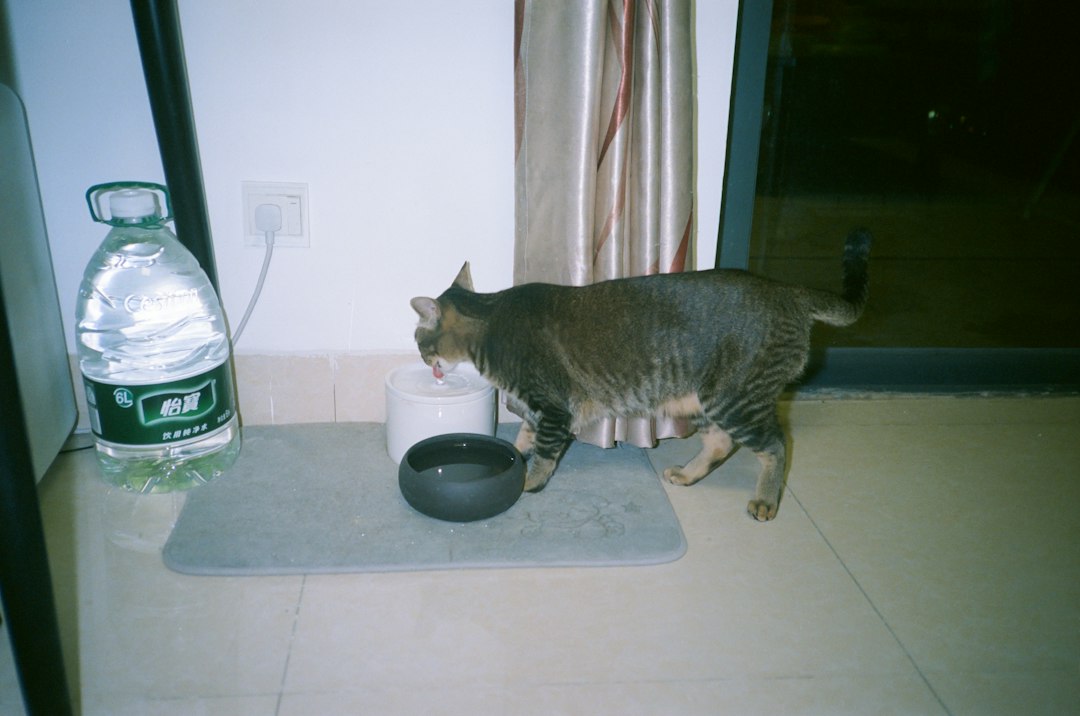
- Make sure fresh water is always available, since fluid loss is the main risk with ongoing diarrhea.
- Avoid introducing any new food or treats during this period, to make it easier to identify if a recent diet change was the trigger.
- Track frequency and consistency over the next 24 to 48 hours rather than reacting to a single episode.
- Do not give any human anti-diarrheal medication without checking with your vet first, since several common over-the-counter options are unsafe for cats.
Bringing the Right Information to Your Vet Visit
If diarrhea persists past two to three days or meets any of the emergency signs above, a few details make your vet visit far more productive. Bring a fresh stool sample if you can manage it, since fecal testing is often the fastest way to identify parasites or infection. Note when it started, how many episodes you have seen, any recent diet changes, and whether other symptoms like vomiting, lethargy, or appetite changes are present. This handful of details often narrows down the likely cause before any testing even begins.
How Vets Diagnose and Treat Diarrhea
Diagnosis typically starts with a physical exam and a fecal test to check for parasites or infectious causes, and may expand to bloodwork to check for organ-related or metabolic causes if the initial workup is inconclusive or the diarrhea is chronic. Treatment depends heavily on the underlying cause, but often includes a bland or easily digestible diet for a short period, probiotics, fiber supplementation, or, if a specific cause is identified, condition-specific treatment such as a dewormer for parasites or a therapeutic diet trial for suspected food allergies. Cats showing signs of dehydration may need IV or subcutaneous fluids as part of treatment, particularly if hospitalization is needed for more severe cases.
People Also Ask: Ragdoll Cat Diarrhea FAQ
1. What causes sudden diarrhea in cats
The most common causes of sudden diarrhea are a recent diet change, eating something unusual or spoiled, stress, or a mild stomach upset. Sudden diarrhea can also result from toxin ingestion, parasites, or infection, which is why persistent or worsening symptoms warrant a vet visit rather than assuming it will resolve on its own.
2. When should I worry about my cat’s diarrhea
A single mild episode in an otherwise normal cat is rarely urgent. Worry, and call your vet, if diarrhea lasts more than two to three days, occurs alongside vomiting or reduced appetite, contains blood, or affects a kitten, senior cat, or cat with an existing health condition.
3. Can stress cause diarrhea in cats
Yes. Stress from a move, a new pet, guests, or another disruption to routine is a recognized cause of digestive upset in cats. Ragdolls tend to be particularly sensitive to environmental change, which can show up as loose stool alongside other stress signs like hiding or reduced appetite.
4. Should I feed my cat if it has diarrhea
Yes, keep feeding regular meals. Unlike dogs, withholding food from a cat with diarrhea is not recommended, since even a short period without eating can put a cat at risk of a serious liver condition called hepatic lipidosis. Continue normal feeding unless your vet specifically advises otherwise.
5. Is diarrhea with blood in cats an emergency
Any blood in the stool warrants a prompt vet visit. Bright red blood usually points to the lower digestive tract, while black or tarry stool usually indicates digested blood from higher up. Neither should be treated as a wait-and-see situation.
6. How long does cat diarrhea typically last
Mild, acute diarrhea from a minor cause often resolves within a few days. If diarrhea persists beyond two to three days, or keeps recurring over several weeks, it is considered chronic and generally requires veterinary diagnostic testing to identify the underlying cause rather than continued home monitoring.
7. Can hairballs cause diarrhea in cats
Excess ingested fur can occasionally contribute to loose stool alongside the more commonly known symptom of vomiting a hairball. If diarrhea and frequent hairballs are both happening regularly, it is worth mentioning both to your vet together, since they may share an underlying cause such as a grooming or digestive issue.
Sources and Further Reading
This guide is based on published veterinary guidance rather than anecdotal home remedies. For deeper reading:
- VCA Animal Hospitals – Diarrhea in Cats
- PetMD – Cat Diarrhea: Causes and What to Do About It
- Chewy – Cat Diarrhea: Causes, Remedies, and When to Visit the Vet
This article is for general educational purposes and is not a substitute for an in-person veterinary examination. If your cat is showing any of the emergency signs described above, contact your veterinarian or nearest emergency animal hospital. This guide will be reviewed and updated periodically as veterinary guidance evolves.
Final Thoughts
Most of the time, a Ragdoll with diarrhea has eaten something it should not have, gone through a stressful few days, or reacted mildly to a diet change, and it resolves on its own within a couple of days. The goal is not to panic over every soft stool, but to know the specific signs, blood, lethargy, vomiting alongside it, or simply diarrhea that will not quit, that mean it is time to stop waiting and call your vet.
Has your Ragdoll dealt with recurring digestive issues that took a while to sort out. Share what helped in the comments, it genuinely helps other owners narrow down what to check first.