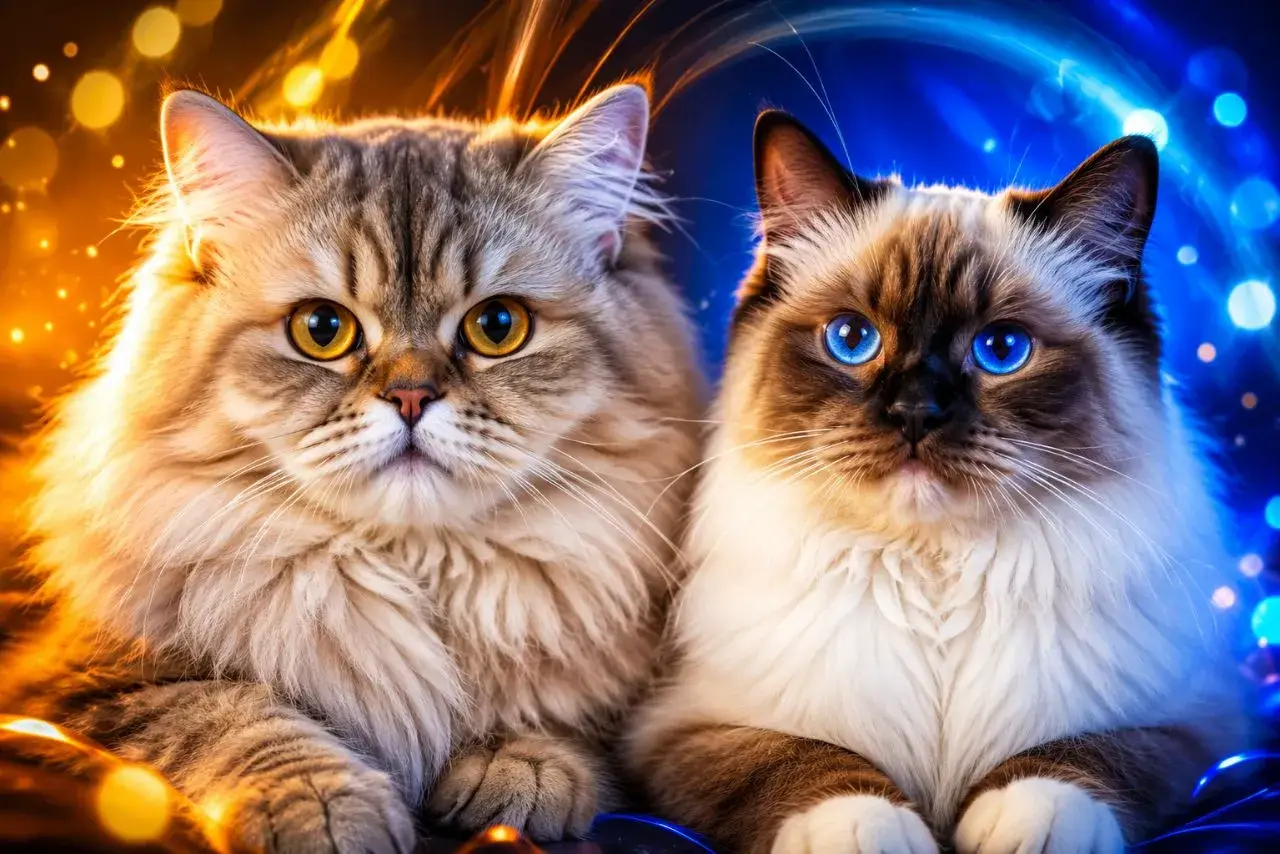
If you’ve ever stood in a cattery staring at two enormous, silky-coated cats and thought “Are these the same breed?” you’re not alone. The Ragamuffin vs Ragdoll Debate confuses even experienced cat owners. Both breeds are big, gentle, and almost irresistibly fluffy. But they’re distinct in ways that genuinely matter when you’re picking a lifelong companion.
According to the Cat Fanciers’ Association, Ragdolls have ranked as one of the top pedigreed breeds for several consecutive years. Yet more families are quietly discovering that the Ragamuffin Cat vs Ragdoll Comparison tips in the Ragamuffin’s favor for certain lifestyles. In this guide, I’ll walk through every real difference: coat, eyes, temperament, lifespan, price, and more, so you can make a confident choice.
Whether you’re asking “which is better, ragdoll or ragamuffin?” or just trying to tell them apart at the shelter, this Ragdoll vs Ragamuffin Comparison covers it all.
Last updated September 2026: this guide now includes a section on how each breed handles being left alone during work hours, and we corrected some inconsistent lifespan figures that had crept in from earlier edits so the numbers here now match our dedicated Ragdoll lifespan guide.
The Origins: Where These Two Breeds Actually Come From
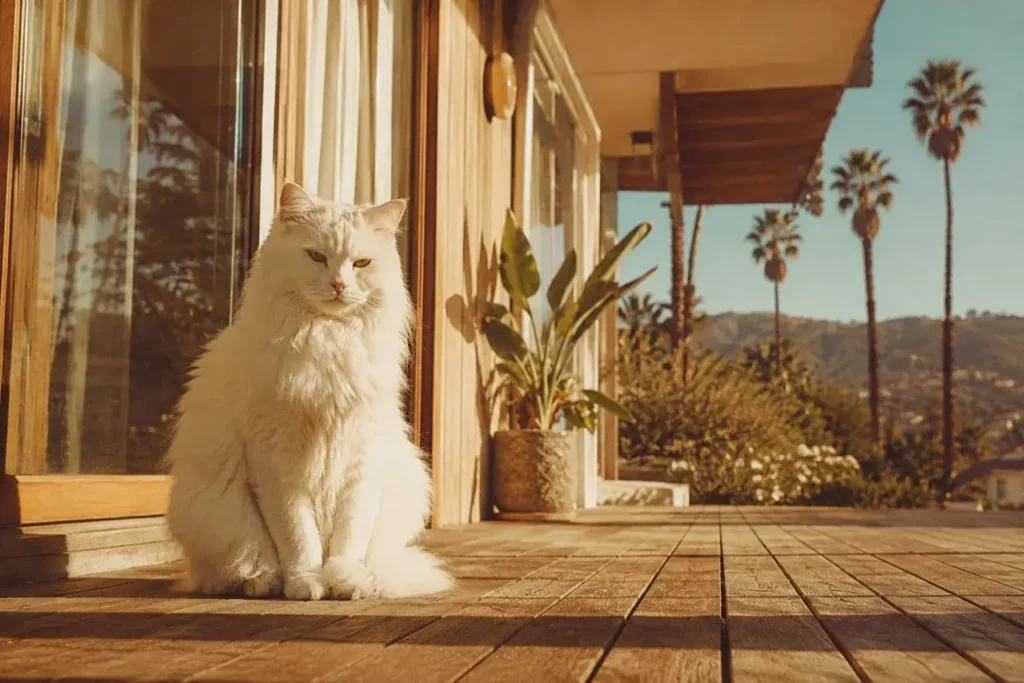
Both breeds share a founder. In the 1960s, a California breeder named Ann Baker developed the Ragdoll cat, starting with a white domestic longhair named Josephine. The breed became famous for one trait: going completely limp when picked up, like a rag doll. That floppy behavior stuck, and so did the name.
The ragamuffin cat breed has a messier origin story. In the early 1990s, a group of Ragdoll breeders grew frustrated with Baker’s strict controls over the breeding program and her trademarking of the Ragdoll name. They broke away and began outcrossing with Persians, Himalayans, and domestic longhairs to widen the gene pool. The result was a new, distinct breed they called the Ragamuffin. If you’re curious about how Persian genes show up in ragdoll-type cats, Persian Ragdoll Mix Kittens is a fascinating look at what those traits can produce.
The International Cat Association (TICA) and the Cat Fanciers’ Association eventually recognized the Ragamuffin as its own breed, with the CFA granting full recognition in 2003. So are ragdolls and ragamuffins the same? No. They share ancestry, but after decades of separate breeding programs, they’re genuinely different cats with different standards, different looks, and different personalities.
Understanding the ragdoll and ragamuffin difference starts with knowing they split apart on purpose. The Ragdoll Ragamuffin Origin Story matters because it explains why the two breeds look so similar yet behave and appear differently up close. This is why the Ragamuffin Cat Breed Compared to Ragdoll Breed shows both deep similarities and clear distinctions.
Physical Appearance: Ragamuffin vs Ragdoll Side by Side
Size and Body Type
Both breeds qualify as gentle giants, but they carry their size differently.
| Feature | Ragamuffin | Ragdoll |
|---|---|---|
| Weight (Males) | 12–20 lbs | Up to 20 lbs |
| Weight (Females) | 8–15 lbs | 8–15 lbs |
| Height | 9–12 inches | 9–11 inches |
| Body Length | Up to 33 inches | Up to 40 inches |
| Build | Stocky, broad chest, muscular | Longer, rectangular frame |
| Full Maturity | 4–5 years | 4 years |
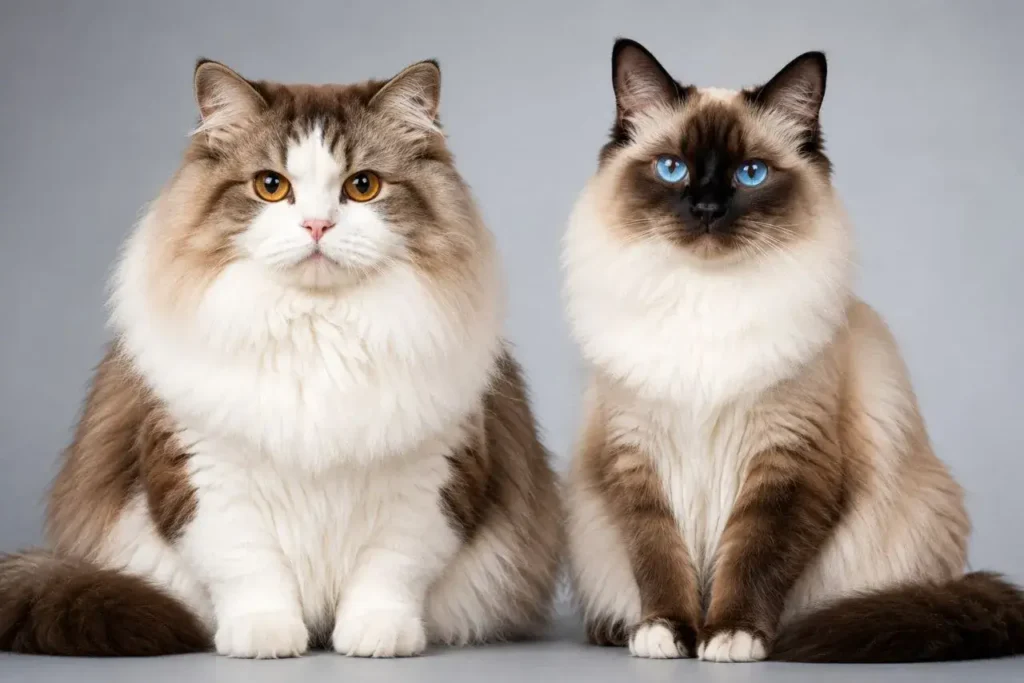
Ragdolls tend to be longer in body, with a rectangular, almost elegant frame. Ragamuffins are stockier and more barrel-chested. When comparing Ragamuffin vs Ragdoll Size, the Ragdoll often wins on length while the Ragamuffin wins on overall mass and solidity.
Both breeds take 4 to 5 years to reach full size, which is typical for large cat breeds. Neither a ragdoll kitten nor a ragamuffin kitten looks anything close to its adult self at 6 months old. Ragdoll vs ragamuffin weight at full maturity is very similar, but the ragamuffin’s denser build often makes it feel heavier when held.
Coat Colors and Patterns
This is the clearest visual difference in the Ragdoll Cat vs Ragamuffin Comparison.
Ragdoll Coat:
- Always displays color points, meaning darker coloring on the ears, face, legs, and tail
- Born white and develop color as they mature
- Standard colors include seal, blue, chocolate, lilac, red, and cream
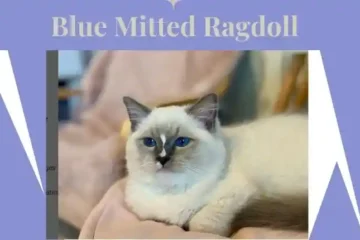
- Three patterns only: colorpoint, mitted (white paws), and bicolor
- Semi-long, silky, rabbit-like texture
Ragamuffin Coat:
- No color point restriction at all
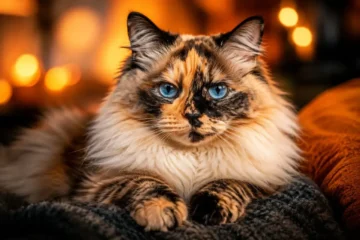
- Can be solid, tabby, calico, tortoiseshell, bicolor, smoke, shaded, or any combination
- Often predominantly white but without darker points
- Coat texture is thicker and more wool-like, with better resistance to matting
- Accepts virtually any color or pattern the feline gene pool produces
If you want a cat with striking dark points and a classic look, the ragdoll wins. If you want more variety in Ragdoll vs Ragamuffin Colors, Markings, and Patterns, the Ragamuffin gives you far more options. Some owners who love specific looks, like the Pure White Ragdoll Cat or the striking Tuxedo Black and White Ragdoll Cat, should know that ragdolls have strict color standards while ragamuffins do not.
For a sense of how coat genetics play out in ragdoll mixes, Ragdoll Tabby Cat Mix and Tortoiseshell Calico Ragdoll Cat show just how much variety ragdoll genes can produce when the strict breed standard is loosened. Ragdolls also come in rarer coat types that many owners don’t know about. What Is a Mink Ragdoll Cat? explains one of the most striking and least understood ragdoll coat variations. And if darker color ranges interest you, The Special Dark Gray Ragdoll Cat covers how that distinctive coloring develops within the breed.
Eye Shape and Color
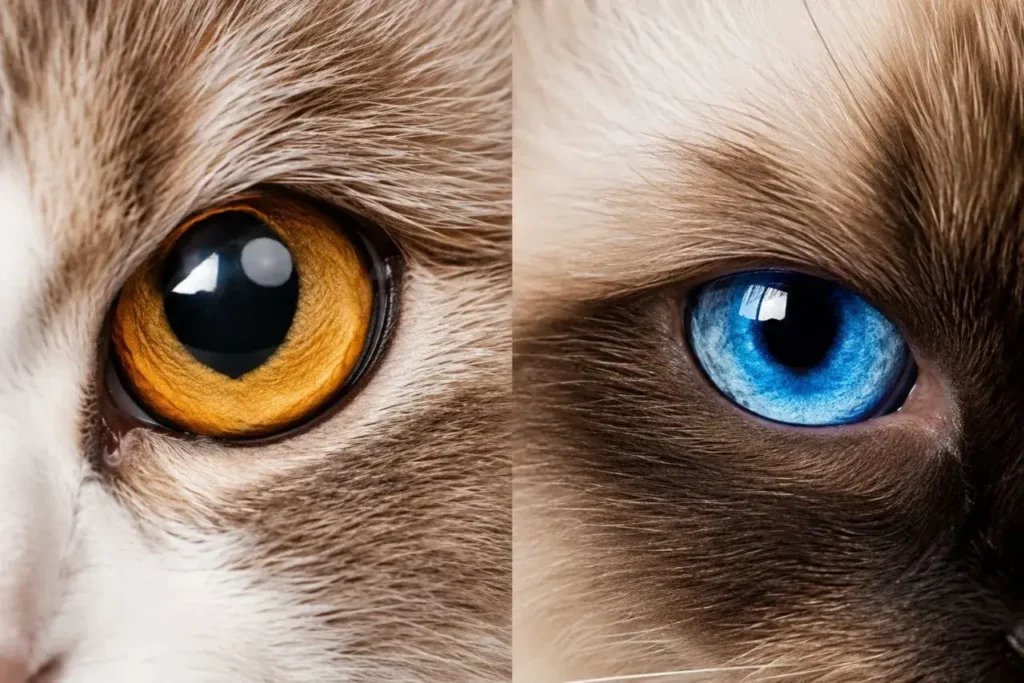
Here’s a fast way to tell them apart: look at the eyes.
Ragdolls have almond-shaped eyes that are always a vivid, deep blue. It’s a breed standard requirement. Every purebred ragdoll has those blue eyes, full stop.
Ragamuffins have round, walnut-shaped eyes that can be any color: green, gold, copper, odd-eyed (two different colors), or blue. The roundness gives them a permanently open, curious expression. If you’re looking at a large fluffy cat with round eyes in a non-blue shade, you’re probably looking at a ragamuffin. When comparing Ragamuffin Eyes vs Ragdoll Eyes, the shape difference is just as reliable as the color difference.
Curious about ragdoll eye color variations? The Ragdoll Eye Color Chart breaks down exactly what shades are standard for the breed and how eye color develops from kittenhood onward.
Face Shape and Head
Both breeds have wide, wedge-shaped heads, but the details differ. The ragamuffin’s head is rounder and fuller, with a slight dip to the nose bridge. The ragdoll’s head is more flat-topped with wide-set ears and a stronger chin. Side by side, Ragdoll vs Ragamuffin Face Shape shows the ragamuffin looking softer and more rounded, while the ragdoll looks more angular and refined.
Personality and Temperament: Ragdoll vs Ragamuffin Character
Ragdoll Personality
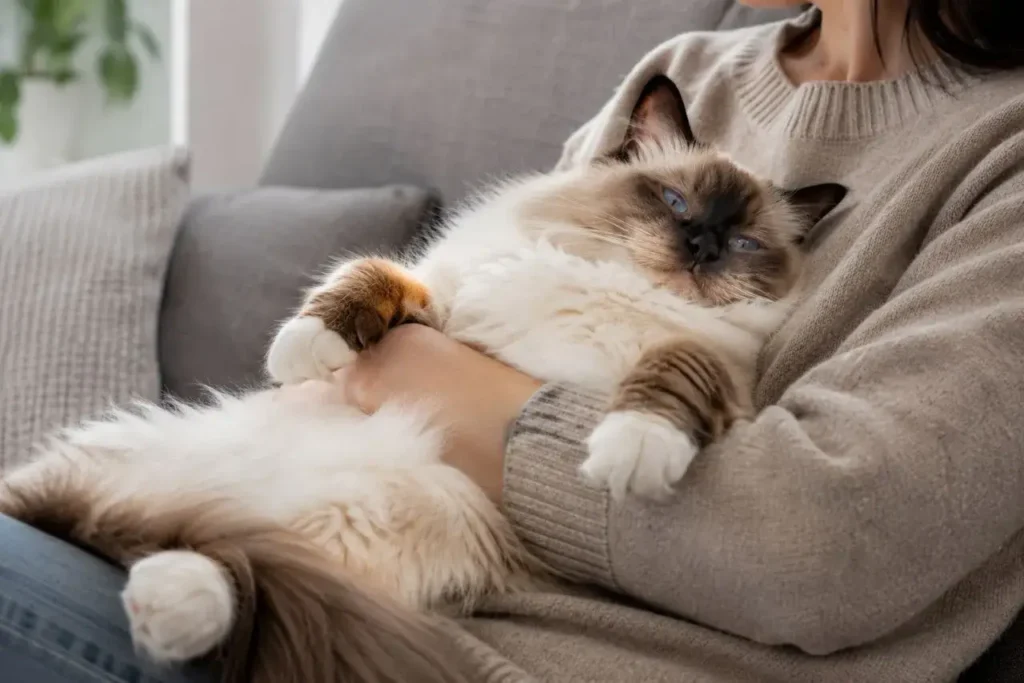
The ragdoll is genuinely one of the most laid-back cat breeds alive. Their famous floppy behavior isn’t just a party trick. It reflects a deeply relaxed, non-reactive temperament. Ragdolls tolerate handling well, rarely scratch or bite defensively, and follow their owners from room to room like dogs.
They’re often called puppy-cats because of this shadow behavior. Ragdolls are also emotionally attuned, and many owners report their cats seeking them out specifically during stressful moments. That quality makes them popular as emotional support animals.
On the flip side, ragdolls are less playful than ragamuffins and can lean toward laziness. They enjoy interactive play sessions but are equally happy to sit in a warm lap for hours. Ragdoll vs ragamuffin energy level is one of the more practical differences for busy households to think through.
Ragdoll Temperament in Short: calm, floppy, loyal, low-energy, emotionally attuned.
Ragamuffin Personality
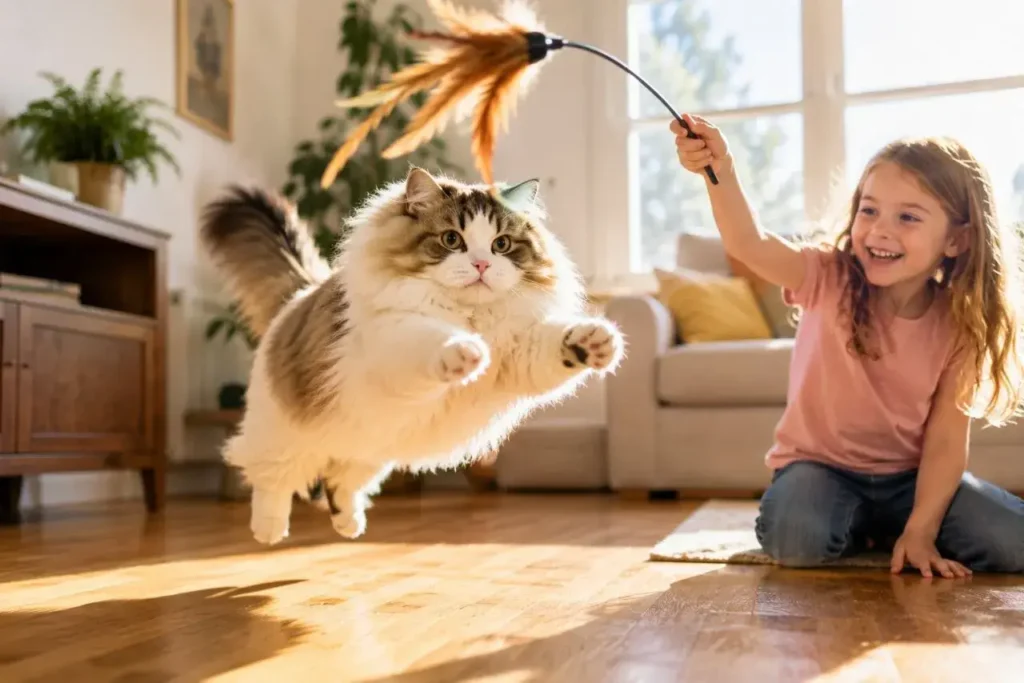
Ragamuffins are the social butterflies of the two. They’re playful, curious, and genuinely outgoing in a way that the ragdoll isn’t. Where the ragdoll might wait for you to come to them, the ragamuffin will trot over and demand your attention.
They’re also more trainable. Many ragamuffin owners successfully teach their cats to walk on a leash, play fetch, and respond to commands. They adapt well to new environments, handle changes in routine better than most cats, and get along easily with children and other pets.
Ragamuffin vs ragdoll personality in one sentence: the ragamuffin is warmer and more active; the ragdoll is calmer and more mellow.
Ragamuffin vs Ragdoll Personality: Pros and Cons
| Ragamuffin | Ragdoll | |
|---|---|---|
| Pros | Playful, trainable, adaptable, great with kids | Extremely calm, emotionally attuned, loyal |
| Cons | Can be demanding, needs more stimulation | Less playful, may become sedentary |
Both breeds score high on Ragdoll vs Ragamuffin Intelligence, but the Ragamuffin’s curiosity and problem-solving drive tend to show up more in daily behavior. If you want a cat you can actually train, the ragamuffin has the edge. Ragdoll vs Ragamuffin Temperament is also an important factor when considering multi-pet households, and the ragamuffin’s more outgoing nature typically makes integration with other animals smoother.
Vocal Differences: Which Cat Talks More, Ragdoll or Ragamuffin?
Neither breed is a chatterbox compared to famously talkative cats like Siamese, but they’re not silent either, and the difference shows up if you live with one for a while.
Ragdolls are the quieter of the two. Most communicate in soft chirps, trills, and a gentle, almost breathy meow, and many go entire days without vocalizing much at all. When a ragdoll does “talk,” it’s usually brief: a quiet greeting at the door, a small chirp when you open the treat bag, that kind of thing.
Ragamuffins tend to be a little more expressive. They’re still soft-spoken compared to vocal breeds, but owners commonly describe them using a wider range of chirps, trills, and meows to hold a “conversation,” especially when they want attention or are following you room to room. Ragdoll vs Ragamuffin Vocalization is a small difference day to day, but if a cat that narrates its opinions matters to you, the ragamuffin usually has more to say.
Grooming: Ragdoll vs Ragamuffin Coat Care
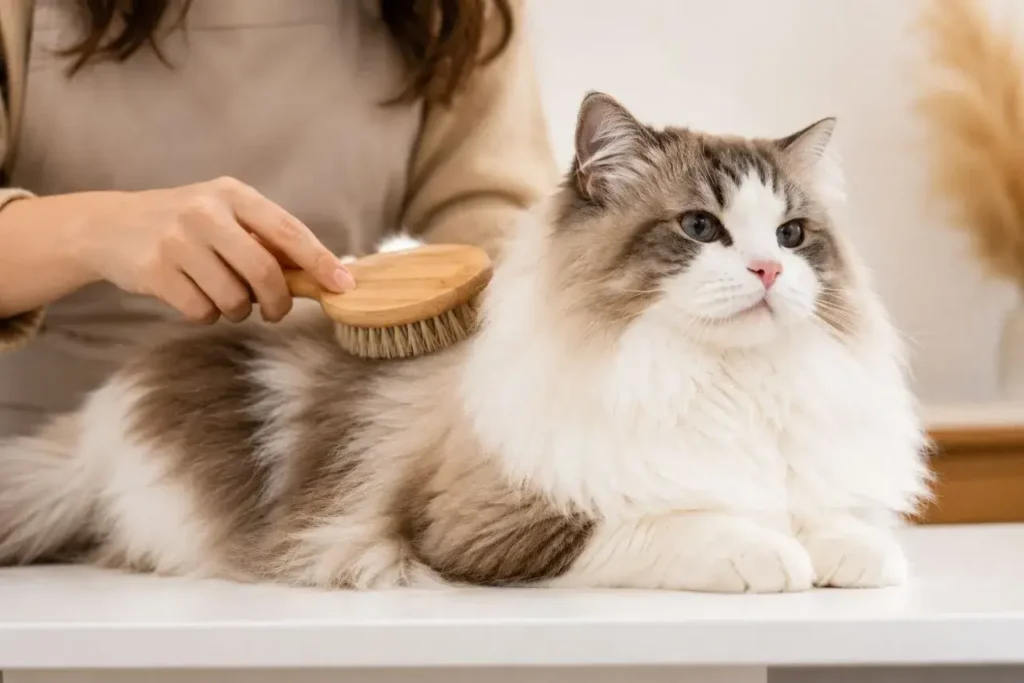
Both breeds have medium-long coats, and both require regular brushing. But there’s a practical difference in how the coats behave day to day.
Ragdoll coats have a silky, non-matting texture that many owners find easier to manage. Daily brushing is still recommended during Ragdoll vs Ragamuffin Shedding seasons in spring and fall.
Ragamuffin coats are thicker and wool-like, which actually makes them more resistant to matting than you’d expect from their density. That woolly texture tangles less than the ragdoll’s silky coat, even though it looks heavier and more plush.
For both breeds, weekly brushing outside shedding seasons and daily brushing in spring and fall keep the coat healthy. Neither breed needs professional grooming on any regular schedule, though many owners opt for occasional trims. Ragamuffin compared to ragdoll grooming is roughly equal in time commitment, though the ragamuffin’s coat forgives a missed session more easily.
Neither breed is hypoallergenic. For a closer look at how ragdolls interact with allergy sufferers, Ragdoll Cats and Allergies is worth reading before you commit to either breed.
Lifespan and Health: Which Breed Lives Longer?
This is one of the most concrete differences in the Ragamuffin vs Ragdoll Cat Comparison.
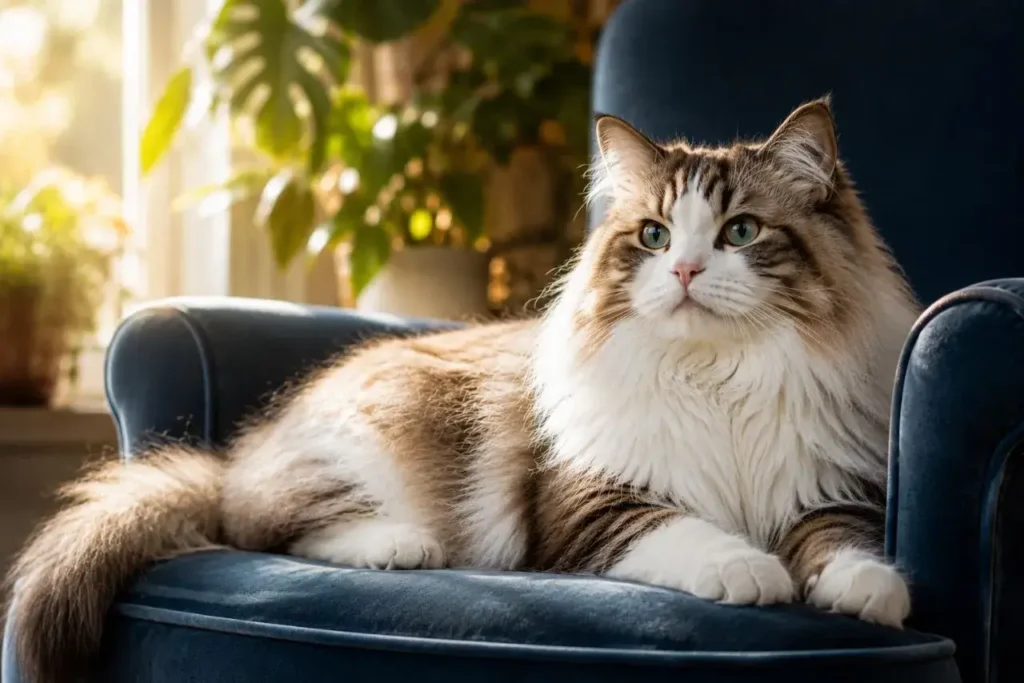
Ragamuffin Lifespan: 12–18 years Ragdoll Lifespan: 12–17 years
The two breeds are closer here than a lot of comparison articles suggest. Both are long-lived for large cats, and their ranges overlap heavily. If there’s a difference, it’s a modest one: the ragamuffin’s broader genetic base from its outcrossed origins gives it a slight edge at the upper end of the range, with some sources reporting ragamuffins comfortably reaching their late teens. But this isn’t the dramatic multi-year gap you might see quoted elsewhere, and either breed can live a long, full life with good care.
Common Health Concerns for Both Breeds:
Both breeds can develop hypertrophic cardiomyopathy (HCM), which is the most common heart condition in cats. Ragdolls are specifically predisposed to a genetic form of HCM, so responsible breeders screen for it before breeding. Always ask any ragdoll breeder for HCM testing documentation.
Ragamuffins are generally a hardier breed because of the outcrossing done when the breed was created. That broader genetic base has reduced some of the hereditary health problems that affect the more tightly bred ragdoll line. Ragamuffin compared to ragdoll health issues shows the ragamuffin typically carries fewer breed-specific risks overall.
Both breeds can tend toward obesity if they’re not kept active. Their laid-back natures work against them here. Regular play and portion-controlled feeding matter for both.
According to the American Veterinary Medical Association, routine wellness visits every 6 to 12 months are the most effective way to catch breed-specific conditions early in large cat breeds.
For a detailed breakdown of ragdoll-specific longevity factors, What Is the Lifespan of a Ragdoll Cat covers what affects how long your cat lives and what you can do about it.
Feeding and Weight Management: Keeping Both Breeds Lean
Both breeds share a laid-back streak that works against them here: a cat that’s happy to nap all day burns fewer calories, and a large-framed breed can carry extra weight before it’s obvious. Obesity is one of the most common preventable health issues in both ragdolls and ragamuffins, so it’s worth building good habits early rather than reacting to it later.
A practical routine that works for most households:
- Measure meals instead of free-feeding. A kitchen scale or measuring cup keeps portions consistent; free-fed large breeds are the ones most likely to overeat.
- Split food into 2–3 meals a day rather than one large bowl, which helps curb the urge to overeat and keeps energy more stable.
- Choose a diet formulated for large or indoor breeds with a clear protein source listed first, and ask your vet for a calorie target based on your cat’s current weight and activity level rather than the bag’s generic guideline.
- Keep treats under 10% of daily calories and use a portion of the regular kibble as training or play rewards instead of extra treats.
- Build in 10–15 minutes of active play twice a day. Wand toys and food puzzles work well for both breeds and give the more food-motivated ragamuffin something to do besides eat.
- Do a monthly hands-on check. You should be able to feel your cat’s ribs with light pressure but not see them. If you can’t feel them at all, it’s time to adjust portions and mention it at the next vet visit.
Weight matters more for ragdolls specifically because excess weight puts added strain on a heart breed that’s already predisposed to HCM. For more on how weight and other factors affect longevity, What Is the Lifespan of a Ragdoll Cat goes into it in more depth.
Price: Ragamuffin vs Ragdoll Cost
Ragdolls and ragamuffins are both expensive cats. Here’s what you’re looking at for Ragamuffin vs Ragdoll Price in 2026.
| Ragamuffin | Ragdoll | |
|---|---|---|
| Kitten from Breeder | $800–$2,000 | $800–$2,500+ |
| Show-Quality | $2,000–$3,500 | $2,500–$4,000+ |
| Annual Care Costs | $500–$1,200 | $500–$1,200 |
| Availability | Less common | Widely available |
Ragdolls are more expensive on average because of their popularity and higher demand. A well-bred ragdoll from a reputable cattery with full health testing often runs $1,500 or more. Ragamuffin breeders are rarer, but prices are generally slightly lower because demand hasn’t caught up yet.
For both breeds, cheap kittens from unvetted sources are a red flag. Unscrupulous sellers sometimes pass off random longhaired cats as ragdolls or ragamuffins. Always ask for documentation of health testing, proof of breed registration, and references from previous buyers.
Ragdoll vs ragamuffin cost also extends to long-term care. Because the ragamuffin has a longer lifespan, total lifetime veterinary and care costs can be higher simply from more years of ownership. Ragdoll vs ragamuffin adoption through breed-specific rescues is also a real option. Both breeds occasionally end up in rescue situations, and adoption fees typically run $100 to $400.
How to Verify You’re Buying a Real Ragdoll or Ragamuffin: A Breeder Checklist
Because both breeds command high prices, they’re also common targets for misrepresentation, everything from an ordinary longhaired mix sold as a “ragdoll” to a kitten with no health testing behind it. Before you put down a deposit, work through this checklist:
- Ask for registration papers. A legitimate ragdoll or ragamuffin breeder can show CFA or TICA registration for the litter and the parents, not just a promise that “papers are coming.”
- Request HCM screening documentation for ragdoll parents. Since ragdolls carry a genetic predisposition to hypertrophic cardiomyopathy, responsible breeders test breeding cats and can produce the results, ideally from a cardiologist echocardiogram, not just a general vet note.
- See the kitten with its mother, in person or over a live video call. This confirms the kitten was actually born and raised there, and lets you see the parent’s temperament and coat type firsthand.
- Get a written health guarantee that covers genetic conditions for a reasonable period after purchase, along with proof of first vaccinations and deworming.
- Be wary of prices well below market range. A ragdoll or ragamuffin kitten priced far under the typical $800+ starting point is a red flag for an unhealthy kitten, an unscreened breeding pair, or a mislabeled mixed breed.
- Check for references or reviews from previous buyers, and look up the cattery name alongside the breed association to confirm it’s an active, registered breeder rather than a one-off backyard listing.
If a breeder can’t or won’t answer these questions directly, that alone is reason enough to keep looking. A few extra weeks spent vetting a breeder is a small price for a cat you’re hoping to share 10 to 18 years with.
Ragamuffin vs Ragdoll: Which Is Better for Your Household?
Ragamuffin or Ragdoll for Families with Kids
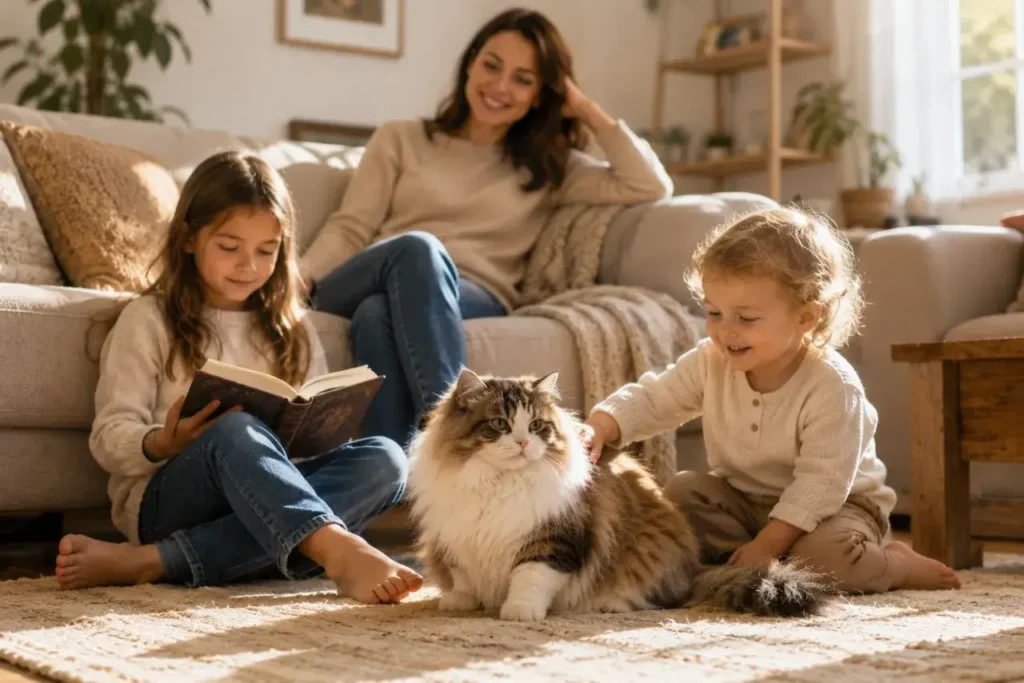
The ragamuffin edges ahead here. Their patience and playfulness make them better suited to the unpredictable energy of young children. Ragdolls are gentle too, but their more passive nature means they may simply walk away from chaotic situations rather than engage. The ragamuffin is more likely to stay in the game. Ragdoll or ragamuffin for kids is one of the most common questions new owners ask, and the answer consistently points toward the ragamuffin for households with younger children.
Ragdoll or Ragamuffin for Seniors
Ragdolls are often the better pick for quieter households. Their low energy demands and calm, loyal nature make them excellent companions for people who want a cat that’s content to sit nearby. They don’t need much stimulation. Ragdoll or Ragamuffin for seniors usually comes down to lifestyle pace, and the ragdoll matches a slower, quieter routine very naturally.
Ragdoll or Ragamuffin If You Work Long Hours
Neither breed is a good fit for a household where the cat is regularly alone for 10+ hours a day. Both are highly social and form strong attachments to their people, which is part of their appeal, but it cuts the other way if nobody’s home. Ragamuffins tend to show it more visibly, seeking you out the moment you walk in and sometimes getting more restless with long stretches of solitude. Ragdolls are quieter about it, but “quiet” doesn’t mean “fine”, an under-stimulated ragdoll can still become withdrawn or prone to weight gain from inactivity. If your schedule genuinely keeps you out most of the day, consider a second cat for company, a trusted midday visitor, or reconsider whether either breed is the right fit for right now.
Ragdoll or Ragamuffin for Apartment Living
Both breeds adapt well to indoor living and don’t require outdoor access. The ragamuffin’s slightly higher energy level means they benefit more from interactive toys and play sessions in a smaller space. Ragdolls are genuinely fine with a calm apartment life and minimal square footage. Ragdoll or ragamuffin apartment living works for both breeds, though the ragdoll tends to need less floor space for activity.
Ragdoll vs Ragamuffin for First-Time Owners
Both are good choices for new cat owners. Neither breed is territorial, aggressive, or high-strung. The ragdoll’s simpler personality makes it slightly more forgiving of inconsistent routines. The ragamuffin’s trainability makes it easier to teach good habits early on. Ragdoll vs ragamuffin for first-time owners is genuinely a close call, but either breed will reward a caring, attentive home.
For owners curious about ragdoll behavior across mixed breeds, Ragdoll Cat Mixed with Siamese and Ragdoll Himalayan Mix Personality show how ragdoll temperament shifts when different breeds are involved. And Snowshoe Cat vs Ragdoll is a useful read if you’re weighing other pointed-coat breeds alongside your decision.
How to Tell a Ragdoll from a Ragamuffin
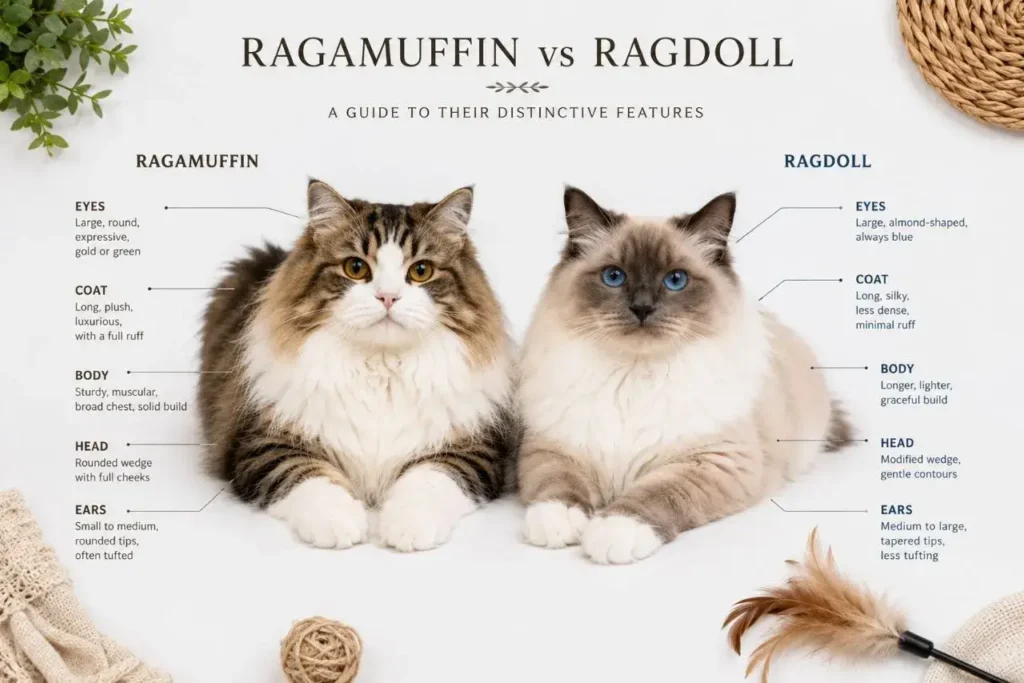
Struggling to identify Ragdoll vs Ragamuffin Appearance? Use this checklist:
- Eyes: Blue and almond-shaped = ragdoll. Round and any color = ragamuffin.
- Coat Pattern: Dark points on ears, face, and tail = ragdoll. Solid, tabby, calico, or no points = ragamuffin.
- Behavior When Held: Goes completely limp = strong ragdoll indicator.
- Body Shape: Longer and rectangular = ragdoll. Stockier and barrel-chested = ragamuffin.
- Nose: Slight dip on the nose bridge = ragamuffin. Flatter facial profile = ragdoll.
- Coat Texture: Silky and smooth = ragdoll. Thick and wool-like = ragamuffin.
These are reliable tells in adult cats. Ragdoll kitten vs ragamuffin kitten identification is harder because coloring develops over months. How to identify a Ragamuffin vs Ragdoll in a rescue or shelter setting often comes down to the eyes and body shape since coat color alone can be misleading.
Ragamuffin vs Ragdoll: Quick Comparison Chart
| Feature | Ragamuffin | Ragdoll |
|---|---|---|
| Origin | 1990s, split from Ragdoll program | 1960s, California |
| CFA Recognition | 2003 | 1993 |
| Weight | 8–20 lbs | 8–20 lbs |
| Body | Stocky, broad chest | Longer, rectangular |
| Eyes | Round, any color | Almond, always blue |
| Coat Patterns | Any color or pattern | Colorpoint, mitted, bicolor only |
| Lifespan | 12–18 years | 12–17 years |
| Energy Level | Moderate | Low |
| Trainability | High | Moderate |
| Price Range | $800–$2,000 | $800–$2,500+ |
| Best For | Active families, kids | Quiet homes, seniors |
| Shedding | Moderate | Moderate |
| Grooming Need | Weekly brushing | Weekly brushing |
| HCM Risk | Lower (broader genetics) | Moderate (genetic predisposition) |
| Coat Texture | Thick, wool-like | Silky, rabbit-like |
| Dog-Friendly | Yes | Yes |
Ragamuffin vs Ragdoll: Full Pros and Cons
The Ragamuffin Pros:
- Long lifespan of 12–18 years, potentially a bit longer than the ragdoll’s on average
- More coat color and pattern variety
- More playful and trainable
- Adapts well to new environments and routine changes
- Coat resists matting better than the ragdoll’s
- Generally hardier due to a broader gene pool
- More outgoing, better suited to busy family households
The Ragamuffin Cons:
- Rarer and harder to find a reputable ragamuffin cat breeder
- Slightly more demanding of attention and interactive play
- Less widely available in rescues
Ragdoll Pros:
- Iconic blue eyes and classic color-point look
- Extremely calm and gentle temperament
- Emotionally attuned, great as an emotional support cat
- More widely available from breeders and rescues
- Floppy behavior makes them exceptionally easy to handle
- Ideal for quieter homes and seniors
Ragdoll Cons:
- Slightly shorter lifespan on average (12–17 years) than some ragamuffin lines
- Genetic predisposition to HCM needs active monitoring
- Limited variety in coat colors and patterns
- Less playful, can become sedentary without encouragement
People Also Ask: FAQs About Ragamuffin vs Ragdoll
1. Are Ragamuffins Related to Ragdolls?
Yes. Ragamuffins descended directly from ragdolls. In the early 1990s, a group of ragdoll breeders broke away from Ann Baker’s program and outcrossed with Persians, Himalayans, and domestic longhairs to create the ragamuffin. They share a common ancestor but are recognized as separate breeds by the CFA and TICA. Why do ragamuffins look like ragdolls? Because they are ragamuffin descendants of ragdolls.
2. What Is the Main Difference Between a Ragdoll and a Ragamuffin Cat?
The ragdoll always has almond-shaped blue eyes and color-point coat markings with darker ears, face, legs, and tail. The ragamuffin has rounder walnut-shaped eyes in any color and can come in virtually any coat color or pattern with no point requirement. Both live a long time for large cats, roughly 12 to 18 years, with the ragamuffin’s broader genetic background giving it a slight edge at the upper end of that range in some reports.
3. Which Cat Is Bigger, a Ragdoll or a Ragamuffin?
Ragdolls tend to be longer in body, reaching up to 40 inches. Ragamuffins are stockier and broader, reaching up to 33 inches in length but often carrying more muscle mass. Both can weigh up to 20 lbs. Which cat is bigger, ragdoll or ragamuffin? Ragdolls win on length; ragamuffins often win on build density.
4. Do Ragamuffins Have Blue Eyes Like Ragdolls?
They can, but it’s not a requirement. Ragamuffins can have blue eyes, but also green, gold, copper, or two different-colored eyes (odd-eyed). Ragdolls are always blue-eyed as a breed standard. Blue eyes alone don’t confirm ragdoll identity.
5. Which Cat Sheds More, a Ragdoll or a Ragamuffin?
Both shed moderately. The ragamuffin’s wool-like coat texture is slightly more resistant to matting and may shed in tighter clumps. The ragdoll’s silky coat can spread more visibly around the home. In practical terms, neither is a low-shedding breed, and both need regular brushing. Which cat sheds more, ragdoll or ragamuffin? The difference is marginal.
6. Should I Get a Ragdoll or a Ragamuffin for a Family with Young Kids?
The ragamuffin is generally the better choice for families with young children. It’s more playful, more adaptable, and tends to engage with busy households rather than retreat. Both breeds are gentle and rarely scratch or bite, but the ragamuffin’s higher energy and patience make it more kid-friendly overall.
7. Are Ragamuffin Cats Good for First-Time Owners?
Yes. Ragamuffins are easy-going, rarely aggressive, and more trainable than most breeds. Their adaptable nature means they handle inconsistent routines better than many cats. They’re a solid choice for first-time owners who want a social, interactive companion.
8. What Breeds Make a Ragamuffin Cat?
The ragamuffin was created through outcrossing ragdolls with Persians, Himalayans, and domestic longhaired cats in the early 1990s. That broader genetic base is part of why ragamuffin cats tend to be hardier and longer-lived than purebred ragdolls. What cat breeds does ragamuffin kittens have in their background? Primarily ragdoll, Persian, Himalayan, and domestic longhair.
9. How Long Do Ragamuffin Cats Live Compared to Ragdolls?
Both breeds are long-lived. Ragamuffins typically live 12 to 18 years, and ragdolls typically live 12 to 17 years, so the ranges overlap substantially. Any edge the ragamuffin has tends to show up at the higher end of that range rather than as a large, guaranteed gap. For more on ragdoll longevity specifically, What Is the Lifespan of a Ragdoll Cat covers it in full detail.
10. Which Cat Is Friendlier, a Ragdoll or a Ragamuffin?
Both are among the friendliest cat breeds available. Ragamuffins are more outgoing and actively seek interaction. Ragdolls are warmer in a quieter, more devoted way. It depends on what friendly means to you: the ragamuffin is more socially active; the ragdoll is more quietly loyal. Which cat is friendlier, ragdoll or ragamuffin? Both make excellent companions, just in different ways.
11. What Is the Difference Between Ragdoll and Ragamuffin Cats?
People ask this constantly, and it’s a fair question given how similar the two breeds look at first glance. The core differences come down to five things.
First, eyes: ragdolls always have vivid blue almond-shaped eyes; ragamuffins have round walnut-shaped eyes in any color. Second, coat: ragdolls are restricted to colorpoint, mitted, and bicolor patterns with darker points on the face, ears, legs, and tail; ragamuffins can be virtually any color or pattern with no point requirement. Third, body: ragdolls run longer and more rectangular; ragamuffins are stockier and broader in the chest. Fourth, lifespan: both breeds typically live into their mid-to-late teens, ragamuffins around 12 to 18 years and ragdolls around 12 to 17 years, with the ranges overlapping more than they differ. Fifth, temperament: ragdolls are calmer and more passive; ragamuffins are more outgoing, playful, and trainable.
Both are large, gentle, affectionate breeds that make excellent indoor companions. The difference is mostly about which version of “gentle giant” fits your household better. You can also read a more detailed breakdown at What Is the Difference Between Ragdoll and Ragamuffin Cats? for a full side-by-side guide.
12. Is There a Ragdoll Ragamuffin Mix?
Yes, Ragdoll Ragamuffin Mix cats exist, though they’re not a recognized breed. A Ragdoll Ragamuffin Hybrid or Ragdoll Ragamuffin Crossbreed will typically inherit traits from both parents, often landing somewhere between the ragdoll’s calm floppy behavior and the ragamuffin’s more outgoing playfulness. Coat and eye traits will vary widely.
13. How Do Ragamuffins and Ragdolls Compare to Maine Coons?
The Ragdoll vs Ragamuffin vs Maine Coon comparison is popular among large-breed cat fans. Maine Coons are generally more independent and energetic than either breed. Both ragdolls and ragamuffins are more docile and lap-oriented. The Ragamuffin vs Maine Coon vs Ragdoll decision usually comes down to whether you want a more active, dog-like cat (Maine Coon) or a gentler, more relaxed companion (Ragdoll or Ragamuffin). For owners who love both, the Maine Coon Mixed with Ragdoll shows exactly how those two very different temperaments blend together.
60-Second Quiz: Which Breed Actually Fits Your Life?
Still torn? Go row by row and pick whichever side sounds more like the home you’re bringing a cat into. Whichever column you check most is your best-fit breed.
| If this sounds like you… | Lean Ragdoll | Lean Ragamuffin |
|---|---|---|
| Household pace | Quiet, calm, predictable routine | Busy, active, kids or frequent guests |
| What you want from your cat | A devoted lap companion that settles quickly | An interactive cat that plays, follows, and can be trained |
| Coat and eye preference | Classic blue eyes, pointed coat look | Open to any color, pattern, or eye color |
| Priority when choosing a pet | Emotionally attuned, low-key temperament | Longer lifespan and more playful energy |
| Budget and availability | Fine paying more for wider breeder availability | Okay with a longer search for a rarer breeder |
| Home with other pets or dogs | Calm, gradual introductions preferred | Confident, adapts quickly to new animals |
Mostly Ragdoll: you’re likely happiest with a quiet, blue-eyed companion that’s content to be near you. Mostly Ragamuffin: you’ll probably get more out of a playful, trainable cat with a longer lifespan and no coat-color limits. A close split either way just confirms what the rest of this guide shows: both breeds are excellent, and the “right” one comes down to your pace of life more than any single trait.
Sources and Further Reading
- The Cat Fanciers’ Association – Ragdoll and Ragamuffin Breed Standards
- The International Cat Association (TICA)
- American Veterinary Medical Association – Wellness Visit Guidelines
This article is for general informational purposes and isn’t a substitute for advice from a licensed veterinarian, particularly regarding HCM screening.
Conclusion: Ragamuffin vs Ragdoll, Which Breed Should You Choose?
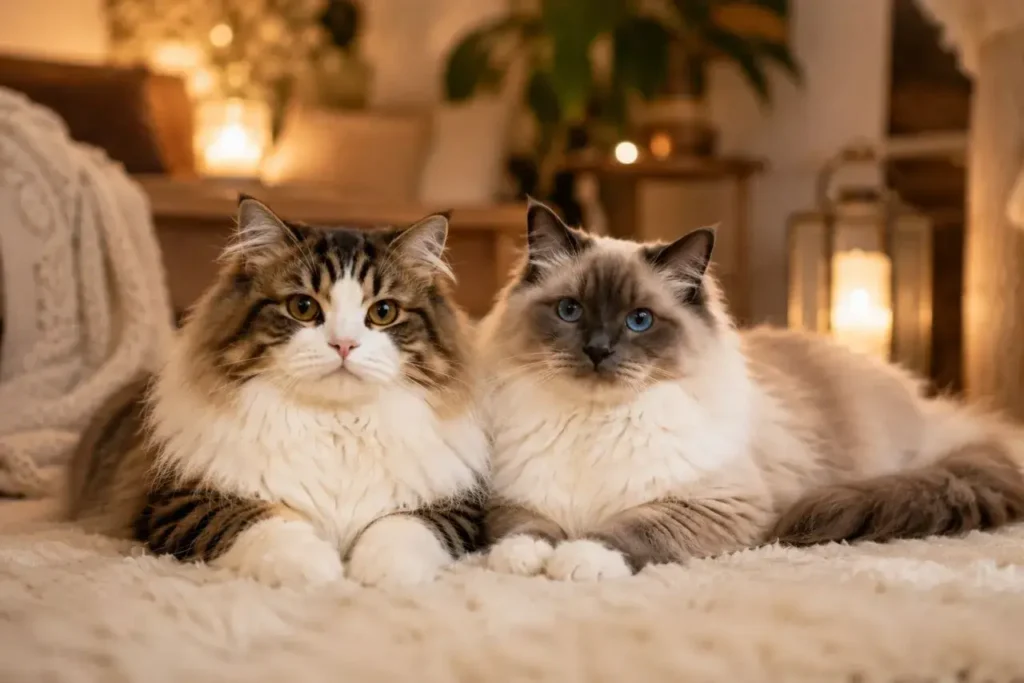
When it comes down to the Ragamuffin vs Ragdoll Decision, there’s no universal answer. Both are exceptional cats with genuinely lovable traits.
Go with the ragdoll if you want a calm, quietly devoted companion with those stunning blue eyes and classic color-point markings. They’re ideal for quieter households, seniors, or anyone who wants a low-maintenance, emotionally attuned cat.
Go with the ragamuffin if you want a longer-lived, more playful, and more visually varied cat. They’re the better pick for active families, kids, first-time owners who want a trainable companion, or anyone who wants more flexibility in coat color and pattern.
Both breeds share the same gentle temperament that makes large fluffy cats so beloved. Whether you’re drawn to the ragdoll’s floppy calm or the ragamuffin’s outgoing personality, you’re choosing a cat that will be a genuine companion for years.
The ragamuffin cat breed and the ragdoll cat breed each have a devoted following, and rightly so. The Ragamuffin vs Ragdoll Cat debate has no wrong answer. It just depends on which home you’re bringing them into.