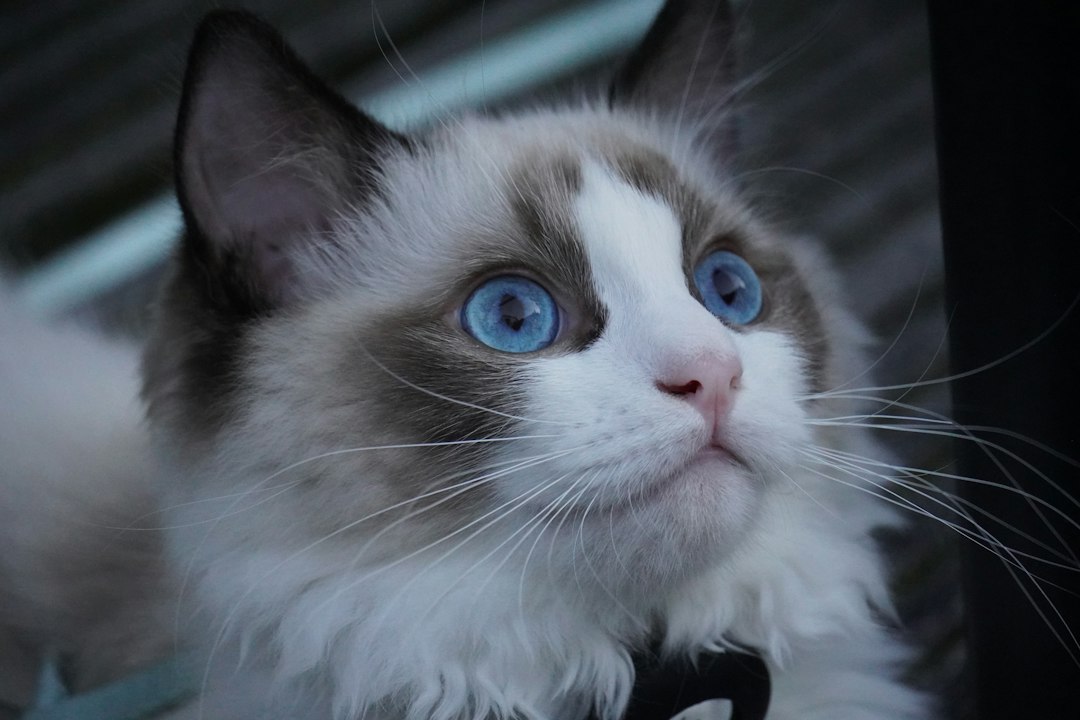
Ragdolls are known for their large, striking blue eyes, and that same feature is part of why eye problems in this breed deserve their own guide rather than a generic cat eye care page. This guide covers Ragdoll eye anatomy, the difference between normal and concerning discharge, the specific conditions most likely to affect this breed, and a connection to systemic disease that many owners never hear about until it becomes urgent.
Published September 2026. This guide is for general education and is not a substitute for an in-person veterinary or veterinary ophthalmology exam.
Ragdoll Eye Anatomy and Why It Matters
One correction worth making upfront. Ragdolls are sometimes incorrectly grouped with brachycephalic, or flat-faced, breeds like Persians and Himalayans in articles discussing eye problems. Ragdolls are not brachycephalic. Their face has a normal, moderate profile, and they do not have the shallow eye sockets or facial hair irritation issues that genuinely brachycephalic breeds face.
What Ragdolls do have is large, round, prominent eyes set wide on the face, a defining feature of the breed standard. Larger eyes mean more corneal surface exposed to the environment, which is why Ragdolls can be somewhat more visibly affected by dust, dry air, or minor irritants than a cat with smaller eyes, even though the underlying eye structure and drainage anatomy is normal. This is a difference in visibility, not a structural defect.
Normal Discharge vs Discharge That Needs a Vet
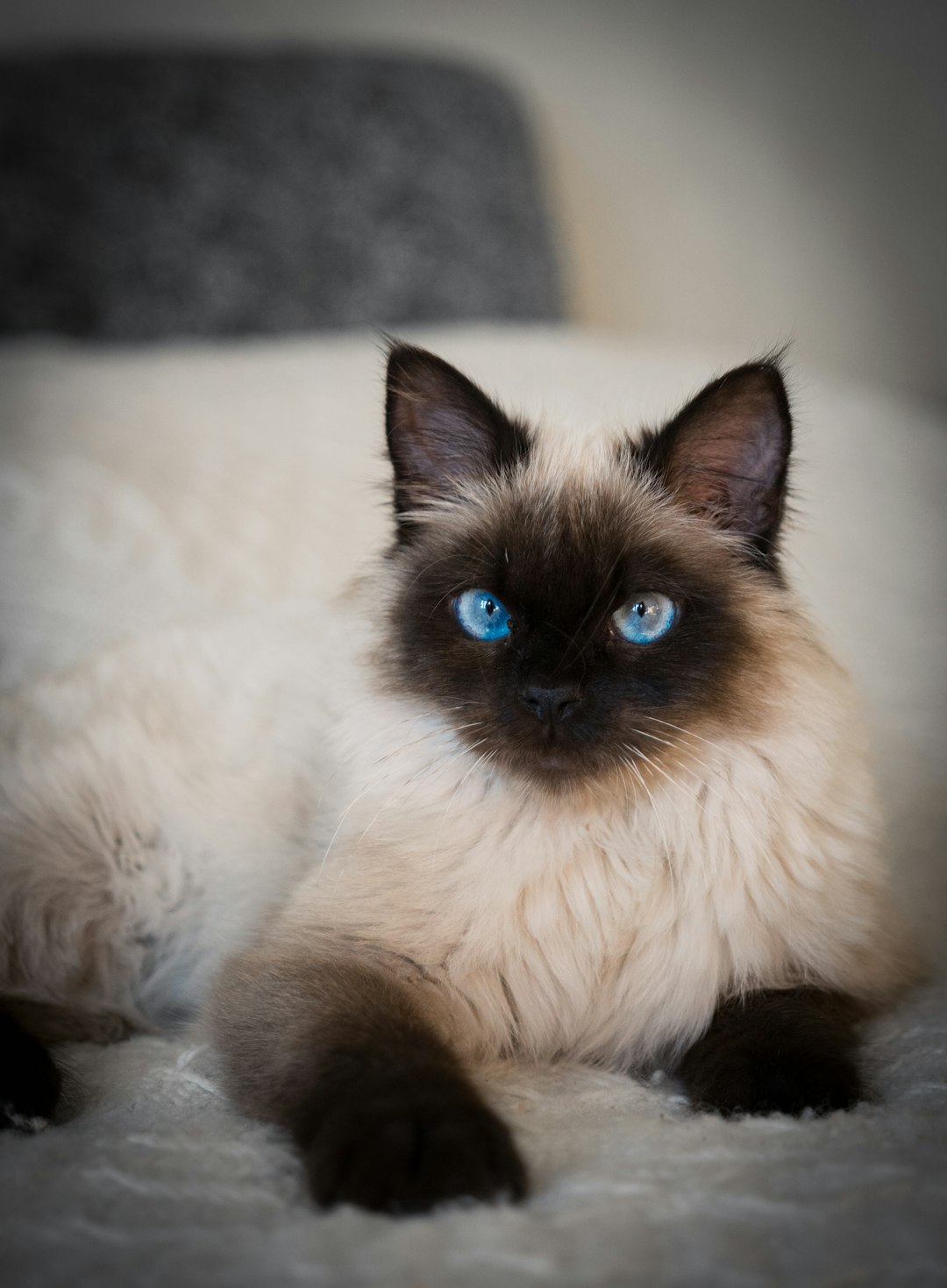
Almost every cat produces a small amount of clear discharge in the corner of the eye occasionally, and a light amount of tear staining under the eyes is common in lighter-coated cats including many Ragdolls. This alone is not usually a concern.
What separates normal from concerning comes down to color, consistency, and whether it is a new pattern:
- Normal: clear or slightly tinted fluid, mild staining, no redness or squinting
- Worth a vet visit: yellow, green, or thick discharge, discharge from only one eye, redness, squinting, pawing at the eye, or a sudden increase from baseline
A gentle wipe with a damp, soft cloth or a vet-approved eye wipe can manage normal daily discharge. Anything beyond that pattern is a signal to have the eye examined rather than something to manage at home indefinitely.
Conjunctivitis and Feline Herpesvirus
Conjunctivitis, inflammation of the thin tissue lining the eyelids, is the most common infectious eye condition seen in domestic cats. According to the Cornell Feline Health Center, feline herpesvirus, commonly called FHV-1, is behind the majority of these cases. Most cats are exposed to the virus at some point in their lives, and many become lifelong carriers even without visible symptoms most of the time.
Ragdolls are not more biologically susceptible to FHV-1 than other cats, but their social, affectionate nature means they often live closely with other cats, which increases the chances of exposure. The virus tends to stay dormant until stress, illness, or a weakened immune system gives it an opening to reactivate, which is why a cat with recurring eye flare-ups during stressful periods, like a move or a new pet, is a familiar pattern for vets.
Symptoms include redness, discharge, squinting, and sometimes sneezing or nasal congestion alongside the eye symptoms. Treatment usually involves antiviral or antibiotic eye medication, and recurring episodes are common rather than a sign that something was done wrong the first time.
Corneal Ulcers: A True Emergency
A corneal ulcer is a break in the surface layer of the eye, often caused by trauma, a scratch from another pet, or a complication of an untreated infection. Unlike conjunctivitis, this is not something to wait out.
Signs include squinting, excessive tearing, a visibly cloudy or dull patch on the eye’s surface, and obvious pain, such as pawing at the face or avoiding light. A vet diagnoses this with a simple fluorescein stain test, which highlights the damaged area under a special light. Left untreated, a corneal ulcer can deepen and, in severe cases, threaten the eye itself, so same-day or next-day veterinary care is the standard recommendation rather than a wait-and-see approach.
Uveitis and Its Systemic Disease Connections
Uveitis is inflammation of the uvea, the middle layer of the eye that includes the iris. It is genuinely painful and shows up as weeping, light sensitivity, squinting, and sometimes a visible third eyelid across part of the eye.
What makes uveitis worth taking seriously is that it is often a symptom of something happening elsewhere in the body rather than an isolated eye problem. Systemic infections, immune-mediated disease, and high blood pressure can all trigger it. This is why a vet diagnosing uveitis will typically also run bloodwork and a blood pressure check rather than treating the eye in isolation. Treating the underlying cause is usually necessary alongside topical eye medication to actually resolve it.
Glaucoma: Recognizing a Vision Emergency
Glaucoma is a buildup of pressure inside the eye that can permanently damage vision within hours if untreated. It is less common than conjunctivitis but far more urgent when it happens.
Warning signs include a visibly enlarged or bulging eye, a cloudy or hazy appearance to the cornea, dilated pupils that do not respond normally to light, obvious pain, and behavioral changes like hiding or reduced activity. Glaucoma in cats is frequently secondary to another condition, particularly uveitis, rather than a standalone problem. If you notice these signs, this is an emergency vet visit the same day, not something to schedule for later in the week.
Senior Cats: Nuclear Sclerosis vs Cataracts
This is a distinction that trips up a lot of owners of older cats. As cats age, the lens of the eye often develops a faint blue-gray haze, a completely normal change called nuclear sclerosis, caused by the lens fibers compacting over time. It does not significantly affect vision and requires no treatment.
A true cataract looks different: it is denser, more opaque, and genuinely affects vision, sometimes progressing to the point of visible clumsiness or hesitation navigating familiar spaces. Cataracts in cats are less common than in dogs and are more often linked to inflammation, diabetes, or trauma than pure aging. Only a veterinary exam can reliably tell the two apart, so a cloudy-looking eye in an older Ragdoll is worth mentioning at the next visit rather than assuming it is just age.
Hypertensive Retinopathy: The Hidden Risk in Senior Cats
This is one of the most important, and least discussed, eye issues in older cats generally, and it connects directly to conditions this breed is already known to be at higher risk for. High blood pressure, often secondary to chronic kidney disease or hyperthyroidism, can damage the small blood vessels in the retina, sometimes causing sudden retinal detachment and abrupt, dramatic vision loss.
Owners often describe it the same way: a cat that seemed completely fine one day and started bumping into furniture or misjudging jumps the next. That sudden pattern is the hallmark of hypertensive retinopathy rather than a gradual eye problem. Since Ragdolls carry an elevated genetic risk for hypertrophic cardiomyopathy, a condition tied to cardiovascular health more broadly, routine blood pressure checks in senior cats are a reasonable and low-cost way to catch this before it causes permanent vision loss. Our guide on the lifespan of a Ragdoll cat covers the broader picture of age-related health monitoring this connects to.
Allergies and Environmental Irritants
True eye allergies are less common in cats than in humans, but environmental irritants, including dust, smoke, strong cleaning products, and perfume, can cause the same watery, red-eyed reaction. If you have already looked into Ragdoll cats and allergies from the human side, it is worth knowing the reverse can also happen: something in your home environment irritating your cat’s eyes rather than your own.
If eye irritation seems to track with a specific product, room, or season, removing the suspected irritant is a reasonable first step before assuming a medical cause.
A Simple At-Home Eye Care Routine
Most healthy Ragdolls need minimal eye maintenance, but a light routine catches problems early:
- Wipe away normal discharge daily with a soft, damp cloth or a vet-approved eye wipe, using a separate section of cloth for each eye to avoid spreading anything between them.
- Check both eyes for symmetry weekly. Two eyes that look different from each other, in size, color, or clarity, is a more reliable red flag than either eye looked at alone.
- Keep long facial fur trimmed away from the eye area if your Ragdoll’s coat tends to grow long around the face, since stray hairs can cause low-grade irritation over time.
- Bring up any new discharge, redness, or squinting at your cat’s next scheduled visit, even if it resolves on its own, so your vet has a record if it becomes a pattern.
When to See a Vet Immediately
Most eye issues in cats are manageable and not urgent, but a specific set of signs should move you to same-day veterinary care rather than a routine appointment.
- A visibly cloudy, enlarged, or bulging eye
- Sudden vision loss, such as bumping into furniture or misjudging jumps
- One eye that looks noticeably different from the other
- Obvious pain, including pawing at the eye or avoiding light
- Any visible injury to the eye itself
- Thick, colored discharge from one or both eyes
Eye tissue does not have much room for error, and conditions like glaucoma and corneal ulcers can cause permanent damage within a short window. When in doubt, treat eye symptoms as more urgent than a similar symptom elsewhere on the body.
People Also Ask: Ragdoll Cat Eye Problems FAQ
1. Are Ragdolls prone to eye problems because of their large eyes?
Ragdolls have larger, more prominent eyes as a breed feature, which means more corneal surface is exposed to dust and minor irritants. This makes irritation more visible in this breed, but it does not mean Ragdolls have a structural eye defect or are broadly more prone to serious eye disease than other cats.
No. Ragdolls have a normal facial profile and are not classified as brachycephalic. Some articles online incorrectly group them with flat-faced breeds like Persians when discussing eye issues, but Ragdolls do not have the shallow eye sockets or facial hair irritation problems associated with true brachycephalic breeds.
3. What does brown or reddish eye discharge mean in a Ragdoll?
Reddish-brown staining under the eyes usually comes from a pigment in tears called porphyrin, which oxidizes and darkens on light-colored fur over time. Mild staining alone is often cosmetic, but combined with redness, odor, or thick discharge, it can indicate chronic conjunctivitis or a tear drainage issue that is worth a vet visit.
4. Can stress cause eye problems in Ragdolls?
Yes, indirectly. Many cats carry a dormant feline herpesvirus infection from earlier in life, and stress or illness can reactivate it, triggering conjunctivitis symptoms. A Ragdoll going through a household change, a new pet, or another source of stress that suddenly develops watery or red eyes may be experiencing this kind of flare-up rather than a new infection.
5. How can I tell if my senior Ragdoll’s cloudy eye is normal aging or a cataract?
Normal age-related haze, called nuclear sclerosis, is faint, blue-gray, and does not meaningfully affect vision. A true cataract is denser and more opaque and often comes with noticeable vision changes, like hesitating on stairs or misjudging distances. Only a veterinary exam can reliably tell the two apart, so any new cloudiness in an older cat’s eye is worth checking.
6. Can high blood pressure really cause blindness in cats?
Yes. Chronic high blood pressure, often linked to kidney disease or an overactive thyroid in older cats, can damage the blood vessels in the retina and cause sudden retinal detachment. This can result in abrupt vision loss that owners often notice as a cat suddenly bumping into furniture. Routine blood pressure checks in senior cats can catch this before permanent damage occurs.
7. Is a swollen or bulging eye always an emergency?
Yes, this should be treated as an emergency. A visibly enlarged or bulging eye is a hallmark sign of glaucoma, a rapid pressure buildup that can permanently damage vision within hours. Same-day veterinary care gives the best chance of preserving vision, rather than waiting to see if it improves on its own.
Sources and Further Reading
This guide is based on published veterinary guidance rather than anecdotal forum advice. For deeper reading:
- Cornell Feline Health Center – Feline Viral Rhinotracheitis (FHV-1)
- VCA Animal Hospitals – Glaucoma in Cats
- VCA Animal Hospitals – Uveitis in Cats
- American College of Veterinary Ophthalmologists
This article is for general educational purposes and is not a substitute for an in-person veterinary examination. If your cat is showing any of the emergency signs described above, contact your veterinarian or nearest emergency animal hospital right away. This guide will be reviewed and updated periodically as veterinary guidance evolves.
Final Thoughts
Most eye issues in Ragdolls are minor and manageable, a bit of daily discharge, an occasional flare-up, nothing that changes day-to-day life. The goal of this guide is not to make every wet eye feel like a crisis, but to help you recognize the smaller number of signs that genuinely are urgent, so you can act quickly on those and stay relaxed about the rest. For a breed known for its calm, trusting temperament, that balance of attentiveness without anxiety is exactly the kind of care a Ragdoll benefits from most. If eye color and genetics interest you beyond health, our Ragdoll Eye Color Chart covers that side of the topic in full.
Has your Ragdoll dealt with an eye issue that took a while to figure out. Share what worked in the comments so other owners can learn from it too.