
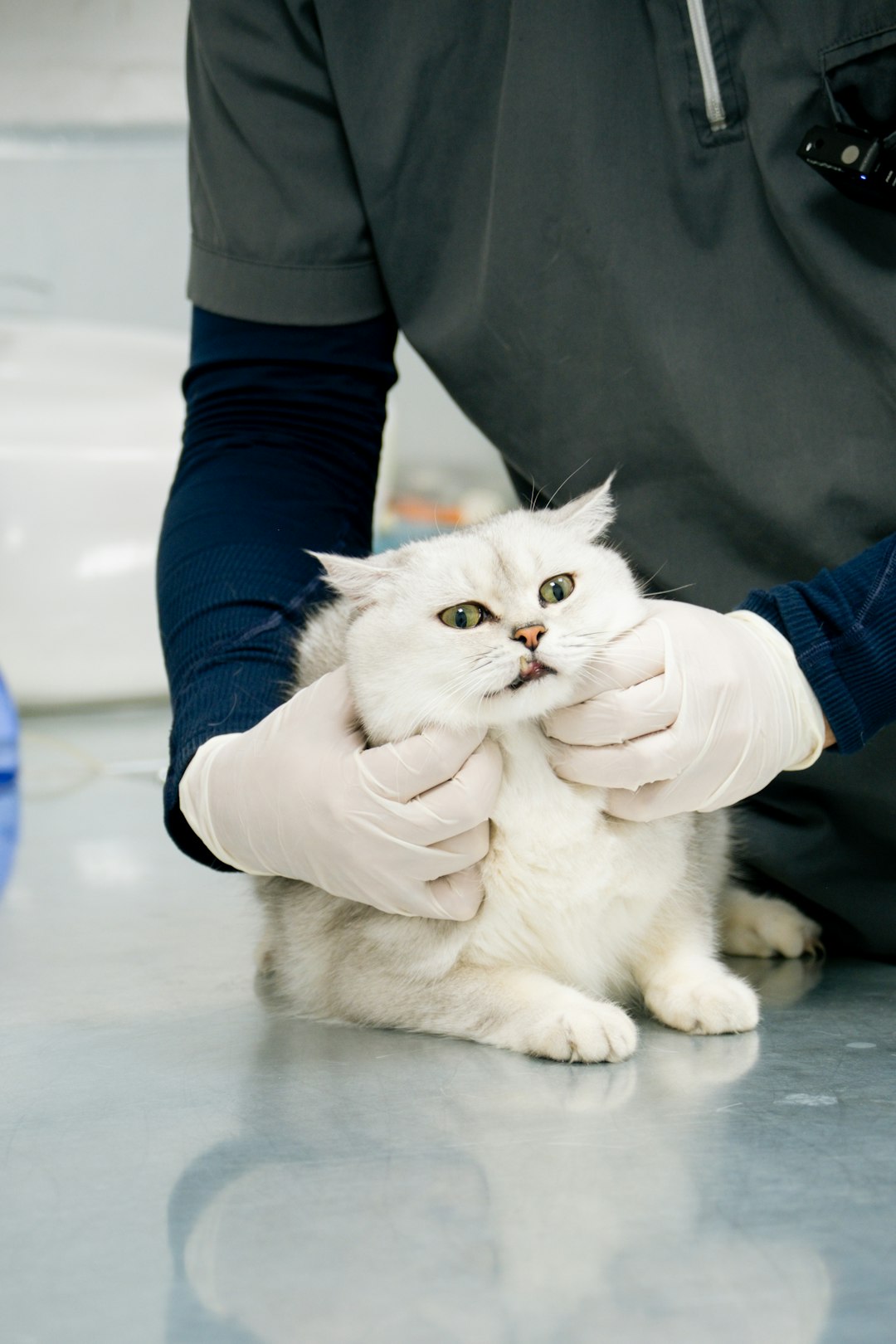
Dental disease is one of the most common health issues in cats, and it is also one of the most overlooked. Ragdolls are not more prone to it than any other breed, but their calm, people-oriented temperament actually makes them better candidates than most cats for a real home dental routine. This guide covers what dental disease actually looks like in cats, the specific condition that most dental content skips, how to build a brushing routine your Ragdoll will tolerate, and when a problem needs a vet rather than a wait-and-see approach.
Published September 2026. This guide is for general education and is not a substitute for an in-person veterinary exam.
Why Dental Care Matters More Than Most Owners Realize
According to Great Pet Care, an estimated 50 to 90 percent of cats over the age of four have some degree of dental disease. Left untreated, it does not stay contained to the mouth. Oral bacteria can enter the bloodstream and reach organs including the heart and kidneys, which is why veterinary groups treat dental health as a whole-body issue rather than a cosmetic one.
The harder part is that cats are naturally good at hiding pain. A cat with a genuinely painful mouth will often keep eating and behaving close to normal, which is exactly why routine checks matter more than waiting for obvious symptoms.
Recognizing the Signs of Dental Disease in a Ragdoll
Because Ragdolls tend to be stoic and tolerant by nature, subtle signs are easy to miss unless you know to look for them. Watch for:
- Persistent bad breath, beyond normal cat breath
- Visible tartar, a yellow or brown crust along the gumline
- Red, swollen, or bleeding gums
- Drooling more than usual
- Pawing at the mouth or face
- Dropping food while eating, or chewing only on one side
- A reduced interest in dry food specifically, while still eating wet food
- Reduced grooming, since a painful mouth can make a cat groom less
Any one of these on its own is worth mentioning at your cat’s next visit. Several together, especially reduced eating or grooming, deserve a sooner appointment rather than waiting for the annual checkup.
Tooth Resorption: The Cat-Specific Condition Most Guides Skip
This is worth its own section because it is unique to cats and genuinely painful, yet most general pet dental content never mentions it by name. Feline odontoclastic resorption lesions, usually shortened to tooth resorption or FORL, are cavity-like lesions that form at the neck of the tooth, where the gum meets the enamel. Unlike a typical cavity, the body’s own cells begin breaking down the tooth’s structure from the inside.
Tooth resorption is common, painful, and often invisible during a routine visual exam. Dental X-rays are usually the only reliable way to detect it, which is one reason a full professional cleaning under anesthesia includes radiographs rather than just a visual check and a polish. Once a tooth is affected, the standard treatment is extraction, since resorbed teeth cannot be repaired or reversed. A cat that develops one resorptive lesion is also more likely to develop others over its lifetime, so ongoing annual dental checks matter even after treatment.
Gingivitis vs Periodontitis: Why Timing Matters
Dental disease in cats progresses in stages, and where your cat falls on that progression determines whether the damage can still be reversed.
Gingivitis, the earliest stage, is inflammation of the gum tissue caused by plaque buildup. At this stage, the condition is fully reversible with a professional cleaning and a consistent home care routine afterward. Left untreated, gingivitis progresses into periodontitis, where the infection moves below the gumline and begins damaging the ligaments and bone that hold teeth in place. Periodontitis is not reversible. At that point, treatment shifts from prevention to damage control, including tooth extraction where needed.
This is the single biggest reason early, boring, routine dental care matters more than dramatic intervention later. Catching a cat at the gingivitis stage is a very different, much cheaper, and much less painful path than catching it after periodontitis has already set in.
How to Brush a Ragdoll’s Teeth, Step by Step
The American Veterinary Medical Association calls regular brushing the single most effective thing an owner can do between professional cleanings. Ragdolls tend to be genuinely good candidates for this, given how tolerant most are of handling. A gradual approach works best:
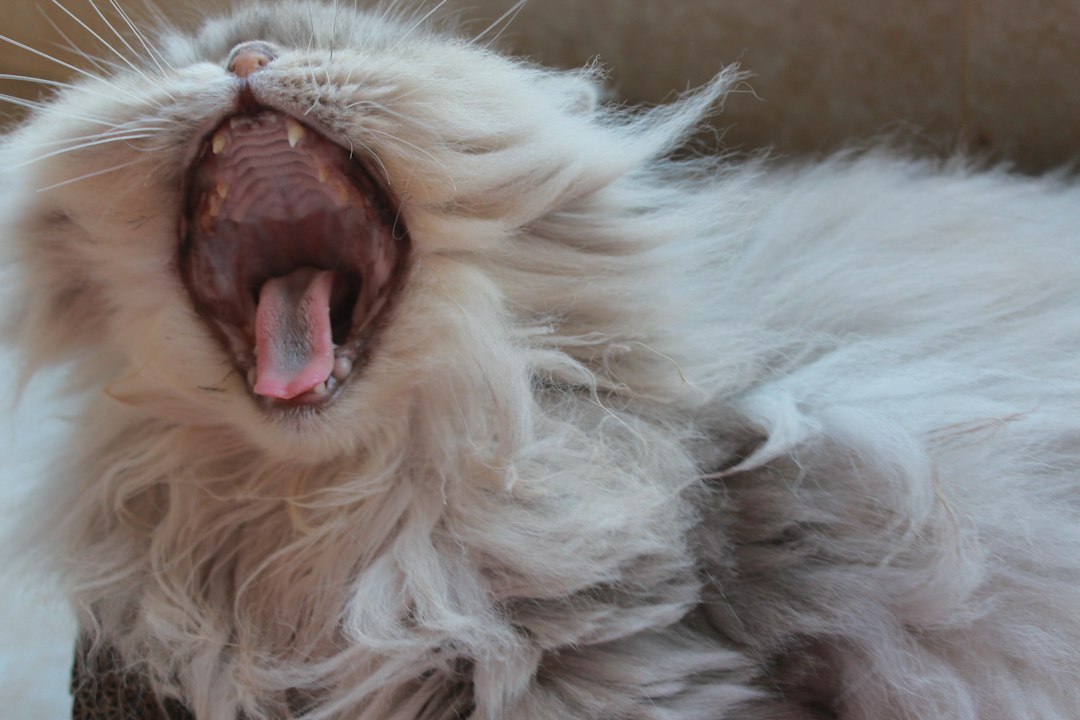
- Start with your finger, not a brush. Let your cat lick a small amount of cat-specific enzymatic toothpaste off your fingertip for a few days so the taste and process feel routine rather than sudden.
- Once your cat accepts that, gently rub the toothpaste along the outer gumline with your finger for a few sessions, keeping sessions under a minute.
- Introduce a soft-bristled cat toothbrush or a finger brush, using small circular motions along the outer surface of the teeth, where most plaque accumulates.
- Focus on the outer surfaces of the back teeth, since a cat’s tongue does most of the natural cleaning on the inner surfaces already.
- Keep sessions short and end on a positive note with a treat or praise, even if you only manage a few teeth that day.
- Aim for daily brushing if possible. A few times a week is still meaningfully better than nothing.
Never use human toothpaste. Many contain xylitol or fluoride levels that are unsafe for cats if swallowed, and cats cannot spit the way people do. Only use toothpaste made specifically for pets.
What the VOHC Seal Actually Means
Pet stores are full of dental treats, water additives, and chews claiming to fight plaque, and not all of them do anything measurable. The Veterinary Oral Health Council, or VOHC, independently reviews dental products against a plaque and tartar reduction standard and awards its seal only to products that meet it. Looking for the VOHC seal on packaging is the simplest way to filter out marketing claims from products with actual evidence behind them.
These products work best as a supplement to brushing, not a replacement for it. A dental treat can reduce plaque somewhat, but it reaches far less of the tooth surface than a toothbrush does.
What Happens During a Professional Dental Cleaning
A real veterinary dental cleaning is different from what the name suggests. According to VCA Animal Hospitals, it is neither possible nor safe to clean below the gumline in a fully conscious cat, so the procedure is performed under general anesthesia. A typical visit includes pre-anesthetic bloodwork to check that your cat is a safe candidate, a full oral exam, dental X-rays to check for problems like tooth resorption below the surface, scaling to remove plaque and tartar above and below the gumline, and polishing to smooth the enamel afterward.
Because more than 40 percent of dental problems are only visible on X-rays, according to veterinary dental sources, a cleaning that skips radiographs is missing a meaningful part of the picture. If your vet finds a problem during the procedure, they will usually discuss it with you before proceeding further, which is also why it helps to be reachable by phone on the day of the appointment.
Most healthy adult cats benefit from a professional cleaning roughly every one to two years, though cats with a history of dental disease may need it annually or even twice a year. Your vet’s recommendation should be based on what they actually see in your cat’s mouth, not a fixed schedule.
When to See a Vet Sooner Rather Than Later
Most dental disease develops slowly and is not an emergency, but a few signs warrant a prompt appointment rather than waiting for a routine visit.
- Refusing food for more than a day, or eating noticeably less than usual
- Visible facial swelling, especially near the jaw or under the eye
- A tooth that looks broken, discolored, or is visibly loose
- Blood in the water bowl or on toys after chewing
- A noticeable, sudden change in behavior, such as hiding or reduced interaction
Any of these are reasonable grounds to call your vet the same week rather than waiting for the next scheduled checkup.
People Also Ask: Ragdoll Cat Dental Care FAQ
1. Are Ragdolls more prone to dental problems than other cats?
No. There is no known breed-specific predisposition to dental disease in Ragdolls. Dental disease is extremely common across all cat breeds, and a Ragdoll’s risk depends mainly on home care, diet, and genetics at the individual level rather than the breed itself.
2. How often should I brush my Ragdoll’s teeth?
Daily brushing is ideal, since plaque begins reforming within hours of a cleaning. If daily is not realistic, brushing three to four times a week still meaningfully reduces plaque buildup compared to no brushing at all.
3. What is tooth resorption in cats?
Tooth resorption, sometimes called FORL, is a painful cat-specific condition where the tooth’s own structure breaks down starting at the gumline. It is common, usually requires dental X-rays to detect, and is treated with extraction of the affected tooth since the damage cannot be reversed.
4. Can dry food alone keep my cat’s teeth clean?
Not reliably. Some dental-specific diets are formulated and VOHC approved for plaque reduction, but standard dry kibble does not clean teeth the way it is sometimes marketed to. Brushing remains the most effective home method, with dental diets and treats as a supplement rather than a replacement.
5. How much does a professional cat dental cleaning cost?
Cost varies significantly by location, your cat’s overall health, and whether extractions are needed, so getting a quote from your own vet is the most reliable way to budget. A straightforward cleaning without extractions is generally less expensive than one that uncovers advanced disease requiring additional treatment.
6. Is anesthesia safe for a dental cleaning?
Modern veterinary anesthesia protocols include pre-anesthetic bloodwork and monitoring specifically to identify and manage risk before the procedure begins. It is not possible to safely and thoroughly clean below the gumline in a conscious cat, so anesthesia is considered a necessary part of the process rather than an optional add-on.
7. My cat still eats normally. Does that mean the teeth are fine?
Not necessarily. Cats are known for hiding pain and will often continue eating even with significant dental disease. Continuing to eat is not a reliable sign of a healthy mouth, which is why routine visual checks and annual vet exams matter even in a cat that seems fine day to day.
Sources and Further Reading
This guide is based on published veterinary guidance rather than product marketing. For deeper reading:
- American Veterinary Medical Association – Pet Dental Care
- VCA Animal Hospitals – Dental Cleaning in Cats
- Great Pet Care – Cat Dental Cleaning: Costs and What to Expect
- Veterinary Oral Health Council – Accepted Products List
This article is for general educational purposes and is not a substitute for an in-person veterinary examination. If your cat is showing signs of dental pain or infection, contact your veterinarian. This guide will be reviewed and updated periodically as veterinary guidance evolves.
Final Thoughts
Dental care is one of the few areas of cat ownership where a small, boring, repeated habit genuinely changes long-term outcomes. A Ragdoll’s calm temperament gives you a real head start on building a brushing routine that most cats would resist far more. Combine that daily habit with an annual professional check, and you are addressing the most common health issue cats face before it ever becomes a painful or expensive problem. Dental health is also one piece of the bigger picture covered in our guide on the lifespan of a Ragdoll cat, since preventive care like this is one of the most reliable ways to add healthy years.
Have a brushing routine or a product that worked well for your Ragdoll. Share it in the comments so other owners can try it too.